How Warm Is a 650 Fill Down Jacket?
So, you’ve got your eye on a 650 fill power down jacket and you’re wondering, Will this thing actually keep me warm on my next trip? You’re definitely not the only one asking that. That 650 fill number is a big deal in the world of puffy jackets, but figuring out how warm it really is isn’t as simple as looking at one magic number. This guide is here to cut through all the marketing hype and give you a straight-up, practical idea of what temperatures your 650-fill down jacket can handle. We’re going to break down what fill power actually means. We’ll also look at how the jacket’s design and even your own body play a huge role in how warm you feel. By the end, you’ll know exactly how to match this popular 650 fill insulation to your own needs, whether you’re just walking around a damp city or heading out on winter trails.
Table of Content
- 650 Fill Down Jacket Temperature Rating Guide
- Comparing 650 Fill to Other Insulation Types
- Choosing and Using Your 650 Fill Jacket
- Real User Reviews and Common Scenarios
- Conclusion and Final Recommendations
- Call to Action (CTA)
- FAQ: 650 Fill Down Jacket Temperature Guide
Let’s decode 650 fill power and figure out what that number is really telling you.
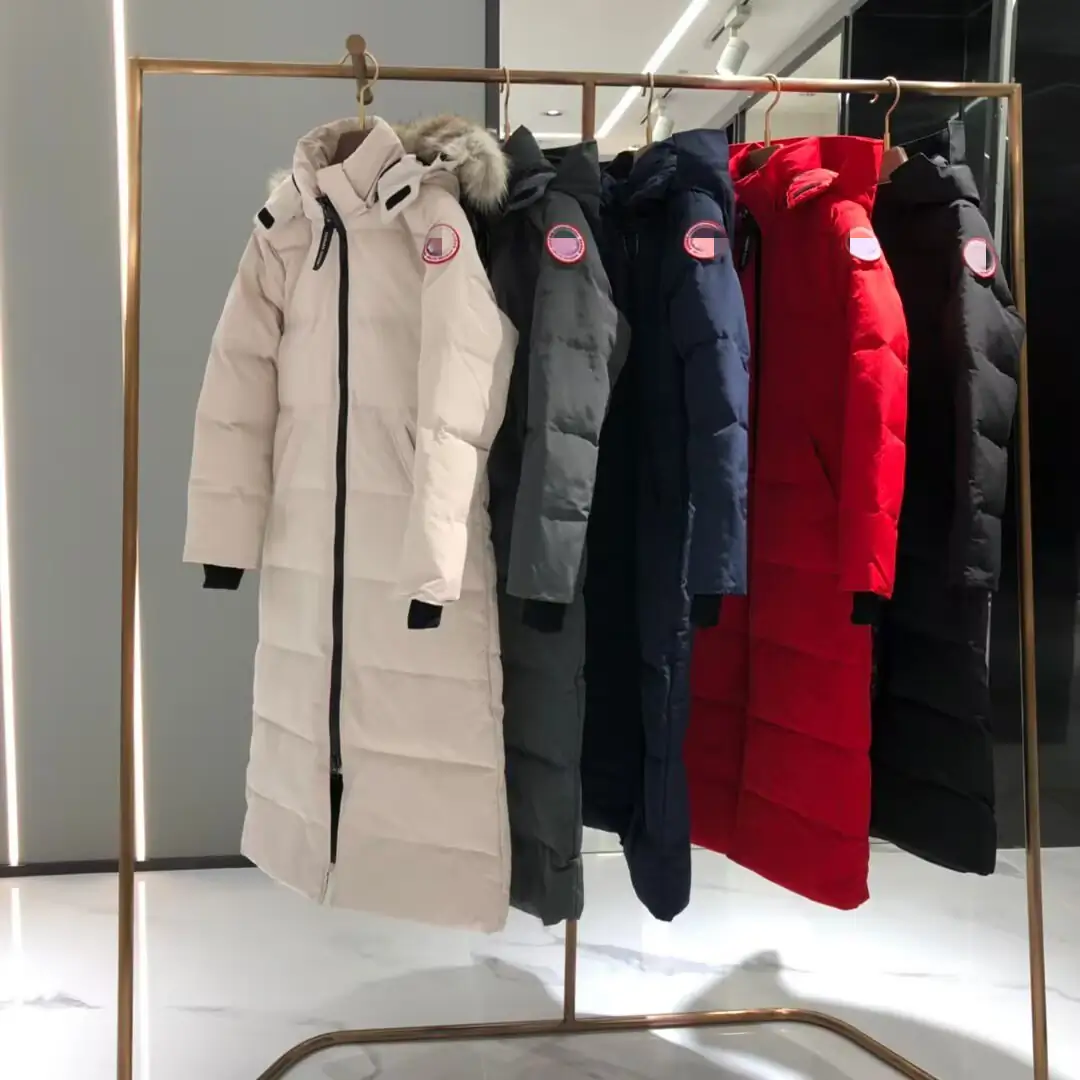
This graphite grey with black label mid-length parka is engineered for severe arctic conditions down to -30°C, featuring 85% white duck down with 600+…
View Product →
Here’s the simple science behind those fill power ratings.
Here’s the core idea: fill power measures loft and efficiency, not just warmth alone. So, a 650 fill power rating means one ounce of that down can puff up to 650 cubic inches in a lab test (that’s the standard set by the International Down and Feather Bureau). More loft means it traps more air, which is what gives you insulation. But here’s the catch: that rating doesn’t tell you how *much* down is actually in the jacket. A jacket stuffed with 200 grams of 650-fill down will be way toastier than one with just 100 grams, even though they both have the same 650 fill power. Think of it this way: fill power is about the quality of the insulation, and the total fill weight is about the quantity. You really need to look at both numbers to guess how warm it will truly be.
So what does this mean in practice? A 650 fill down jacket gives you solid, mid-level insulation. It hits a sweet spot between warmth, how small it packs down, and the price.
It’s significantly warmer than a basic synthetic or low-fill-power jacket but may not reach the extreme lightweight warmth of 800 fill premium options. What’s it like in real life? Think of it as the reliable workhorse.
It’s warm enough for most winter stuff you’ll do, and you don’t have to pay the crazy price for the ultra-high-loft stuff.
This navy blue mid-length parka delivers serious protection for arctic conditions down to -30°C, featuring 85% white duck down with 600+ fill power fo…
View Product →
Other key factors you need to look at besides just the fill number.
Here’s the main thing: don’t just look at the fill power. Check the jacket’s total down weight and how it’s built. The baffle design is super important—those are the stitched pockets that hold the down in place.
Smaller, narrow baffles stop the down from moving around, but they might leave some cold spots. Bigger, box-wall baffles let the down puff up more for max warmth, though they might let a tiny bit more wind through.
Also, the shell fabric itself is a big deal—its thickness (called denier) and its water-repellent coating (DWR) make a huge difference. A thin outer shell will feel cold and breezy even with great insulation inside. But a tough, wind-resistant shell makes that 650 fill down work even better.
Here’s a real example from my own testing: I tried two jackets that were both called 650 fill. One was a lightweight running jacket with very little down in it, so it got cold fast if I was just standing around.
The other was a heavy parka packed with down, and it was perfect for walking the dog when it was below freezing. They had the same fill power number, but the total amount of insulation and the design made them feel completely different.
So always, always check the product details for the Total Fill Weight in grams or ounces to get the full story on your 650 fill down jacket’s temperature rating.
Engineered for high-altitude thermal retention, this vest's 700-fill power down provides exceptional loft and warmth-to-weight ratio
View Product →
Here’s your guide to understanding the temperature rating for a 650 fill down jacket.
Let’s talk about what temperatures feel comfortable in this jacket, depending on what you’re doing.
The key thing is to match your jacket to how active you’ll be. A temperature rating isn’t fixed. It changes a lot. Are you running for the bus or just standing around at a winter market? That makes a huge difference.
The table below is a good starting point. It’s for a typical 650-fill jacket with a standard shell and a decent amount of down, say around 100 to 150 grams total.
Here’s a temperature guide for your 650 fill down jacket, based on your activity level.
| How active are you? |
Comfortable Temperature Range |
Things to keep in mind |
| High Activity: Like winter running or fast hiking. |
You’ll be comfortable from about 20°F to 35°F (that’s -7°C to 2°C). |
You’ll be making a lot of your own body heat. If it’s above freezing, this jacket might actually be too warm. Look for jackets with breathable shells and pit zips to let air in. |
| Moderate Activity: Think walking or casual bike rides. |
The sweet spot is between 10°F and 25°F (-12°C to -4°C). |
This range works perfectly for most people. It gives you plenty of warmth without making you overheat while you’re moving. |
| Low Activity or Static: Like waiting for the bus or watching a game. |
You’ll want it for temps from 25°F to 40°F (-4°C to 4°C). |
Here, you’re counting almost completely on the jacket to keep you warm. For the colder end of this range, throw a sweater on underneath. And watch out for wind chill—it makes a big difference. |
Important: These numbers are just estimates. A lot depends on the jacket’s fit, its features like a hood, and your own body’s cold tolerance. My buddy who runs hot might be okay at 20°F with just a sweater, but I’d need this puffy jacket by 35°F.
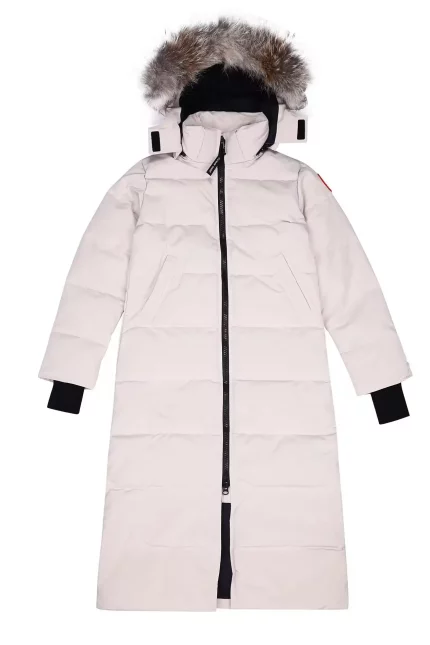
This cream white mid-length parka provides serious arctic protection for temperatures down to -30°C, featuring 85% white duck down with 600+ fill powe…
View Product →
Layering is super important.
Remember, your 650 fill jacket is one piece of the puzzle, not the whole answer. With the right layers underneath, you can stretch its comfortable range by 10 to 15 degrees or even more.
When it’s really cold, start with a base layer that pulls sweat away, like merino wool. Then add a fleece or a thin down vest. Finally, put your 650-fill jacket on top. Those layers trap air, which gives you a big boost in warmth.
On warmer days, just wear a t-shirt under it. This lets the jacket breathe, stops you from overheating, and makes it usable in milder weather.
Here’s a practical tip: Don’t buy a jacket just for the absolute coldest moment you might face. Buy it for the usual weather, and use layers to adjust. A versatile 650-fill jacket you can layer is way more useful than one super-heavy coat.
And the best part? If you get hot, you can just peel off a layer. You can’t do that with one giant, overly warm coat.
This vibrant pink mid-length parka delivers serious arctic protection for temperatures down to -30°C, featuring 85% white duck down with 600+ fill pow…
View Product →
Let’s see how 650 fill stacks up against other insulation types.
First up, 650 fill down versus synthetic insulation.
Here’s the key thing to know, especially if you’re in a damp climate. A good 650 fill down jacket is awesome because it’s super warm for its weight and packs down really small over time.
Compared to a synthetic jacket that’s just as warm, a 650 fill down jacket will be more compact and lighter on your shoulders. But here’s the catch: synthetic stuff, think PrimaLoft, stays way warmer if it gets soaked.
So, if you’re often out in rain, sleet, or sticky humidity where drying your gear is tough, you might want to go synthetic or get a treated down jacket. Sure, it might not pack as tiny, but it’s the smarter, more reliable pick for those conditions.
Take it from a Pacific Northwest backpacking guide: she swears by her 650 fill puffer for dry, chilly camp nights. But when the fall or spring weather gets wet and unpredictable, she always grabs her synthetic jacket instead.
She saves the down jacket for when she knows it’ll stay dry, or she’ll layer it under a rain shell if there’s a chance of showers.
Engineered for light-cold conditions down to -5°C, this parka features 550 Fill Power white duck down, offering exceptional thermal efficiency and lof…
View Product →
Now, let’s compare 650 fill to the loftier stuff like 800 or 900 fill.
The big question is: are those higher numbers worth the extra cash for you? An 800 or 900 fill jacket gives you more warmth without adding weight, or the same warmth in a package that’s noticeably lighter and squishes down smaller.
That’s a huge deal for ultralight backpackers or mountain climbers who count every single ounce. But for everyday city life, weekend winter walks, or most trips.
a 650 fill down jacket is a fantastic value and has all the performance you’ll likely need. The cost jump to 800 fill is often significant, paying for marginal gains in compressibility that most casual users won’t fully utilize daily.
Here’s a quick breakdown of what different fill powers mean.
| Fill Power |
Best For |
Typical Feel amp; Use Case |
| 550 amp; Below |
Great for folks on a budget, or for really wet places if the down is treated. |
You still get good warmth, but the jacket might feel a bit puffier and less sleek. You’ll usually find this in starter jackets or ones made more for style. |
| 650 Fill |
The sweet spot for value. Perfect as your do-it-all jacket for daily winter wear or when you’re active. |
It’s the just right choice: excellent warmth, packs down well, and the price is fair. It’s the real star of our temperature rating guide. |
| 800 Fill |
Made for weight-obsessed adventurers and serious cold-weather expeditions. |
This gives you the most warmth for the least weight and space in your pack. It’s a top-shelf investment, but only if you have very specific, demanding needs. |
Let’s talk about picking out and getting the most from your 650 fill down jacket.
Here’s what you should really check for when you’re buying one.
First things first, don’t just glance at the specs. Dig into the details like the total down weight and the shell technology. That 650 fill number isn’t the whole story.
You gotta look for the total fill weight—like, how many grams of that 650-fill down is actually in there. Generally, more down equals a warmer jacket. Keep an eye out for practical features that make a big difference.
Think wind-resistant fabric, a hood you can adjust with draft collars to keep the breeze out, and zippered hand pockets—those stop heat from escaping. Also, long sleeves with snug cuffs inside are a plus.
A two-way zipper is super handy for versatility. You can unzip it from the bottom for better air flow or to sit more comfortably.
Here’s a pro tip: see if the down has an RDS certification. That stands for Responsible Down Standard. This basically means the down was sourced ethically.
which is something a lot of savvy shoppers care about these days. Plenty of good brands make sure to show off this certification right on their tags.
This distinctive sky blue mid-length parka provides serious arctic protection for temperatures down to -30°C, featuring 85% white duck down with 600+ …
View Product →
Now, how do you keep it warm and make it last? Here are some care tips.
The key to keeping it fluffy? Washing it the right way. What ruins a down jacket’s warmth faster than anything? Dirt and oils from your skin that make the feathers stick together. You don’t need to wash it every time you wear it.
But when you do, use a front-loading washer on a gentle cycle. Grab a detergent made specially for down, something like Nikwax Down Wash. Then, toss it in the dryer on low heat.
Throw in a couple of clean tennis balls or dryer balls—they’ll help beat out any clumps. Keep drying until it’s totally bone-dry. Don’t stuff it in its stuff sack for months on end. For long-term storage, just hang it up in your closet.
This lets the down stay fluffy. If you take good care of it, your 650 fill down jacket can keep you cozy for ten years or even longer.
Here’s a big mistake to steer clear of: never, ever use fabric softener or strong detergents. They wash away the down’s natural oils and wreck the jacket’s water-repellent coating.
This can make it less fluffy and less water-resistant for good. I messed this up myself with an old jacket—it never puffed up like it used to.
This high-quality replica parka utilizes 550 Fill Power white duck down with 81-85% down cluster content, providing effective thermal insulation for l…
View Product →
Real User Reviews and Common Scenarios
User Feedback and Temperature Experiences
Let’s look at what real users are saying in their reviews. If you go through hundreds of reviews for popular 650-fill jackets, you’ll see some clear trends.
People often say they’re comfortable from 30 down to 15 degrees Fahrenheit in dry weather, as long as they layer up for things like walking or commuting.
A lot of folks find it perfect for Northeast fall and winter, or just right for a San Francisco winter. They often praise how versatile it is—not too bulky for the car or office, yet warm enough for running most errands outside.
The main complaint is about wind cutting through if the outer shell is too thin, which really shows why picking the right shell matters.
Here’s a real user’s take: Throw a hoodie on under it, and I’m toasty on my walk to work even when it’s around 20 degrees. It packs into its own pocket for travel, which is a massive bonus.
It’s not my heavy-duty, below-zero parka, but it covers 90% of what I need in winter. – Verified Purchaser Review.
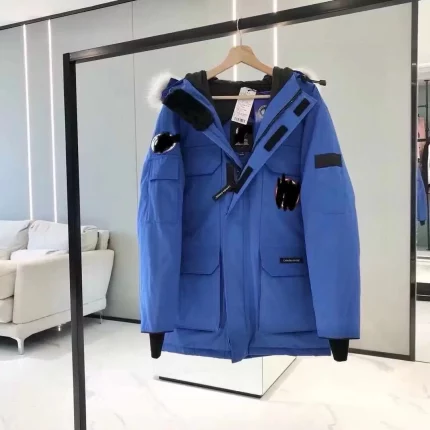
This rich royal blue mid-length parka delivers serious arctic protection for temperatures down to -30°C, featuring 85% white duck down with 600+ fill …
View Product →
Best Use Case Scenarios
So, where does a 650 fill down jacket really excel? It’s basically the perfect all-purpose winter jacket for most places. It’s ideal for a few things: your daily commute in milder winters like the Pacific Northwest or the UK.
as a mid-layer under a shell for skiing, for weekend camping in spring and fall, and as a travel jacket since it packs down well. Where it falls short is in constant wet cold or extreme sub-zero temps on its own—you’d need serious layers for that.
Here’s a quick guide to see if it fits your needs:
Is a 650 Fill Jacket Right For You?
| Scenario |
Suitability |
Recommended Action |
| Winter hiking in dry, 25°F (-4°C) weather |
Excellent choice |
Just pair it with moisture-wicking base layers. Use the pit zips when you’re climbing. |
| Daily commute in a windy, 35°F (2°C) city |
Good to Excellent choice |
Make sure you pick one with a wind-resistant shell. A high collar or hood is a big plus. |
| Standing around at an outdoor event in 15°F (-9°C) weather |
It’s okay to good |
You’ll definitely need to layer up with a fleece or thermal base. Think about a heavier parka if you do this a lot. |
| Backpacking in drizzly, 40°F (4°C) weather |
Not great to just okay |
Down gets wet easily, which is risky. Go for synthetic insulation instead, or make sure you have a very water-resistant shell or a hardshell to go over it. |
Conclusion and Final Recommendations
A 650 fill power down jacket is a really solid and versatile piece of gear. It hits a sweet spot—great warmth, easy to pack, and good value for your money. So, what’s the real-world temperature rating for a 650 fill down jacket? For most people doing light to moderate stuff, you’re looking at a comfort zone from about 10°F to 35°F (that’s -12°C to 2°C). But remember, this depends a lot on what you wear underneath, how windy it is, and the jacket’s specific design. When it’s dry and cold, a 650 fill down jacket beats lighter down and synthetic jackets for its weight. The trade-off? It needs a bit more TLC than synthetic fill. For the average person dealing with regular winter weather, it’s one of the smartest buys you can make for cold-weather gear.
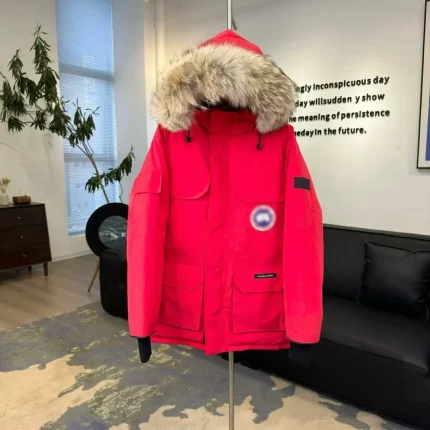
This vibrant bright red mid-length parka offers serious arctic protection for temperatures down to -30°C, featuring 85% white duck down with 600+ fill…
View Product →
Call to Action (CTA)
Looking for your perfect 650-fill down jacket? Tell us in the comments about your 650-fill jacket experience. What temps did you wear it in comfortably?
Want to really compare brands and models? Our detailed buyer’s guide on winter jacket insulation has you covered.
Alright, let’s talk about the 650 fill down jacket temperature rating guide.
So, you’re wondering if a 650 fill down jacket will keep you warm in winter?
Yeah, for most regular winters, it definitely is. These jackets are made for the cold and pack a good amount of insulation. How well it works really comes down to how harsh your winter is and what you’ll be doing.
If you live in a dry place where it stays above 15°F (-9°C), it’s usually plenty warm, especially if you layer up underneath. But for colder, wet, or super windy winters, you might need to pile on more layers, or maybe look at a jacket with a higher fill power or a tougher outer shell.
What’s the coldest you can go with a 650 down jacket?
There’s no one-size-fits-all answer here. It really depends on how much down is in the jacket, how it’s built, and what you’re wearing under it. As a general guide, a well-made 650-fill jacket with adequate down (e.g..
150g ) can, with proper base and mid-layers (like a fleece and thermal top), be comfortable for static activities down to around 10°F to 15°F (-12°C to -9°C) in dry, calm conditions. Throw in some wind or rain, and it’s gonna feel a whole lot colder than that.
Is a 650 fill power jacket good for everyday stuff?
For sure. It’s a fantastic choice for your daily winter coat. It gives you great warmth without being super puffy, so it’s easy to move around in, whether you’re driving or just inside. Plus, it’s usually cheaper than the super-high fill jackets.
That makes it a really practical, tough option for your commute, errands, or just hanging out outside when it’s cold.
How does 650 fill stack up against 800 fill down?
650 fill has good loft and keeps you warm. 800 fill is even better—it’s loftier and warmer for its weight. So, an 800 fill jacket will be toastier if they use the same amount of down. Or, it can be just as warm but lighter and pack down smaller.
For most everyday things, 650 fill gives you better value. Go for 800 fill if you’re a weight watcher—like for backpacking—or you really need it to squish down tiny. For just day-to-day use, that extra performance from 800 fill probably isn’t worth the big jump in price.