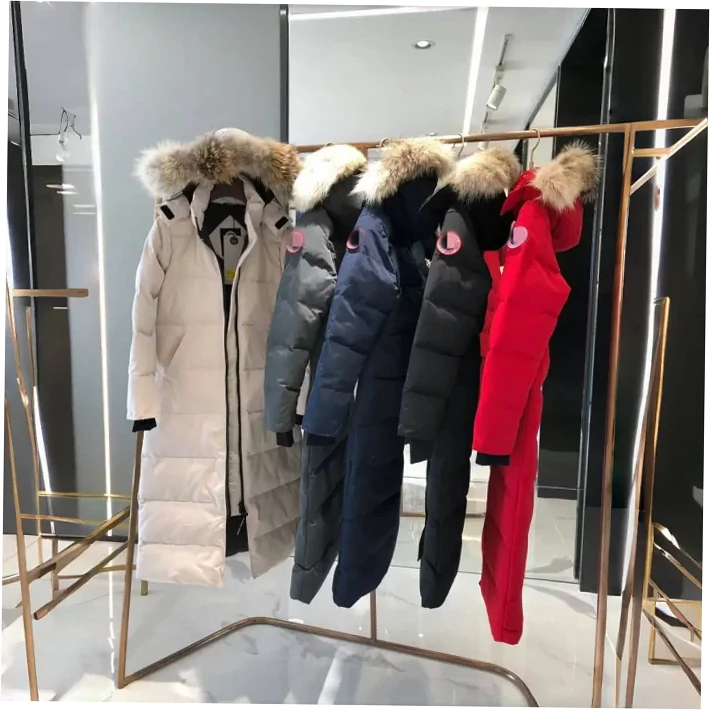
Is 800 Fill Down Warmer Than 650 Fill?
Picking a down jacket or sleeping bag? That fill power number, like 650 versus 800, is super important. It tells you a lot about how well it’ll perform, affecting how warm it is, how much it weighs, and how small it packs down. We’re going past just the numbers here. Let’s talk about the real, noticeable warmth difference you get between these common fill powers. We’ll look at how the loft (that’s the fluffiness), how well it insulates, and how it actually performs in the cold all change. This helps you figure out if shelling out more for higher fill power, like 800, is really worth it for what you need your gear to do. So, your choice really comes down to finding the right balance. You’ve got to weigh the warmth you get for the weight, how small it squishes down, and of course, your budget. This is true whether you’re backpacking, climbing mountains, or just wearing it around town in winter.
Table of Content
- First, what exactly is down fill power and how does it relate to warmth?
- Warmth Face-Off: 650 Fill vs 800 Fill
- Looking at Weight, Packability, and Where You’ll Use It
- Durability, Cost, and Getting Your Money’s Worth Over Time
- Making Your Choice: A Handy Guide
- Ready to see and feel that warmth difference for yourself?
- Your Questions Answered: 650 vs 800 Fill Power Down
Defining Down Fill Power and Warmth
What is Fill Power?
So, what’s fill power? Basically, it’s a measure of how fluffy the down is. Think of it this way: it tells you how much space one ounce of down can puff up into under set conditions. Now, it doesn’t measure warmth directly.
Instead, it shows how efficient the down is at insulating. A higher fill power number means the down can loft up way better. That’s the key. It means you need less actual down to create the same cozy air pocket for warmth.
Here’s the big difference between 650 and 800 fill power. An ounce of 800-fill down will puff up much higher than the same amount of 650-fill. It traps way more still air. That right there is why you get more warmth for less weight.
This high-quality replica down vest is insulated with premium white duck down boasting a high 86-90% down cluster content, providing exceptional warmt…
View Product →
How Fill Power Creates Warmth
How does down keep you warm? Simple. Its main job is to trap your body heat. It does this by creating a thick layer of still, unmoving air. So, the difference in warmth all comes down to how much air it can trap.
Higher fill power down, like 800-fill, has finer clusters. These clusters create a thicker, springier loft. This creates tons of tiny, dead air spaces. All those air spaces mean better thermal resistance.
In other words, it holds heat in much better. So, what does this mean for you? If you compare two jackets of the same weight, the 800-fill one will be noticeably warmer than the 650-fill one.
Or, an 800-fill jacket can be just as warm as a 650-fill one but use a lot less down, making it much lighter.
Crafted for optimal warmth-to-weight ratio, this high-visibility replica vest utilizes 270g of 90% white duck down, providing superior loft and therma…
View Product →
Let’s directly compare the warmth of 650 fill down versus 800 fill down.
So, how big is the temperature gap, really?
When you look at performance, the warmth difference doesn’t increase in a straight line. In real life, an 800-fill jacket might need 20 to 30 percent less down to be just as warm as one with 650 fill.
That means you get a jacket that’s noticeably easier to pack and lighter on your back. Take a mid-weight winter jacket: one with 800 fill might only need 5 ounces of down to be as warm as another that uses 6.5 ounces of 650 fill. The table here shows a simple look at how the warmth stacks up.
Here’s an estimate of how different fill powers compare for warmth.
| Warmth Level You’re Aiming For |
About how much 650 fill down you’d need |
About how much 800 fill down you’d need |
The main takeaway |
| For a moderately cold winter day, say around 20°F (-7°C) |
you’d need about 8 ounces |
you’d only need between 5.5 and 6 ounces |
That’s a weight saving of roughly 25% with the 800 fill. |
| For really severe cold, down near 0°F (-18°C) |
you’re looking at 12 ounces |
you’d need just 8.5 to 9 ounces |
That’s a big drop in both bulk and weight. |
Now, from real-world use and its limits…
Here’s what I found backpacking in the Rockies: it really showed the difference. My 800-fill bag packed down way smaller and felt less bulky than my old 650-fill one, even though they were rated for similar temps.
But the warmth you actually feel isn’t just about the fill. It also comes down to how it’s made—the baffle design and the shell fabric matter a lot. A really well-made 650-fill piece can actually be warmer than a poorly designed 800-fill jacket.
One more thing: both types lose their warmth when they get wet. The good news is, high-quality down often has a water-repellent treatment to help with that.
This high-quality replica vest delivers authentic thermal performance with 280g of premium 90% white duck down,
View Product →
Weight, Packability, and Use Case Analysis
The Weight and Bulk Trade-Off
So, let’s talk about efficiency. The biggest win for 800 fill over 650 fill? It’s way warmer for its weight. That makes it the top pick when you’re counting every ounce—think long backpacking trips, alpine climbs, or bike tours.
Because it’s higher fill power, the down packs down super small. You’ll free up a lot of important space in your bag. If you’re a weekend backpacker, swapping a 650-fill jacket for an 800-fill one could save you more than half a pound and a bunch of room.
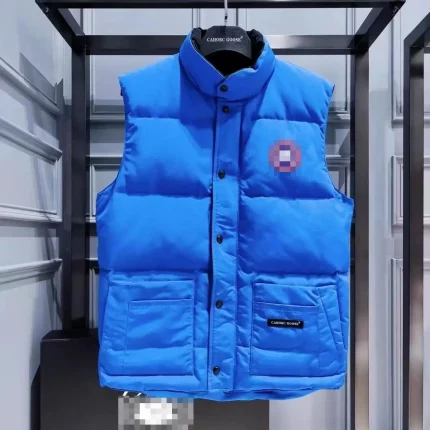
Engineered for versatile cold-weather performance, this deep blue replica vest utilizes 260g of 90% white duck down with high loft retention
View Product →
Choosing Based on Activity
Here’s how to decide: let what you do most guide your pick. For city commuting or just everyday wear, where squeezing it super tiny isn’t a big deal, a 650-fill jacket is great. It’s plenty warm and easier on your wallet.
But if you’re really into cold-weather sports or going on multi-day adventures, spending more on 800 fill power is usually worth it. The performance boost is real. The table below gives you a quick guide based on what you’ll be doing.
Down Fill Power Selection Guide by Primary Use
| What you’ll mainly use it for |
Go for this fill power |
The main reason why |
| City life and casual winter days |
550 to 700 Fill |
Good value, tough, and warm enough for most situations. |
| Backpacking and hiking (for three seasons) |
700 to 800 Fill |
It hits the sweet spot between warmth, weight, and how small it packs. |
| Alpine climbing and big expeditions |
800 Fill |
You get the most warmth with the least weight and bulk. This is key for top performance. |
Durability, Cost, and Long-Term Value
Understanding Cost vs. Performance
Let’s talk money first. Why is 800 fill down pricier? It comes from older birds with bigger, fluffier plumules, which makes it harder to find and drives up the cost.
So, the jump in price from a 650-fill jacket to an 800-fill one is no joke—you could be looking at paying 40% to over double the price. That extra cash gets you top-notch material tech and way better warmth for the weight.
The big question is: does how often and how hard you’ll use the jacket really justify that premium price? If you’re only gonna wear it now and then, you’ll probably get more bang for your buck with 650 fill.
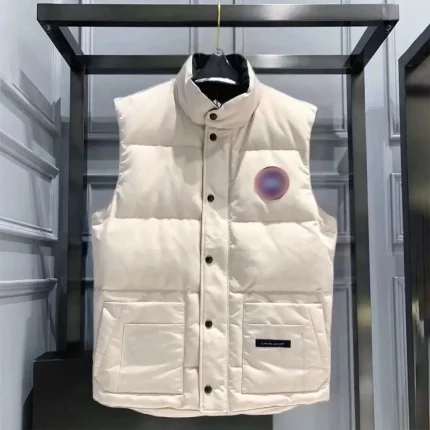
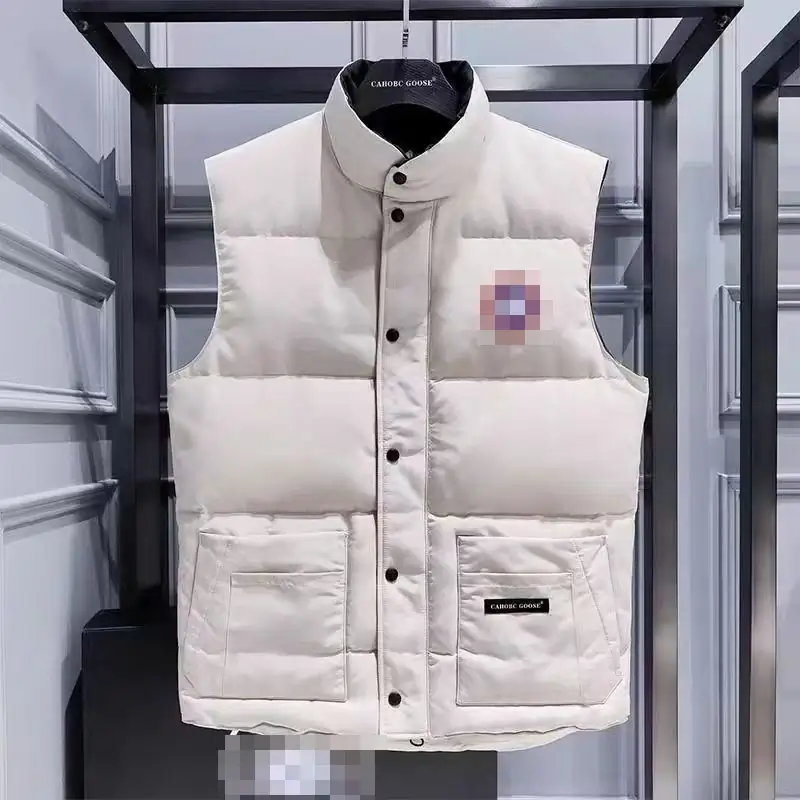
This cream-colored vest utilizes premium 700-fill power white duck down to deliver exceptional warmth-to-weight ratio performance.
View Product →
Longevity and Care
Now, about taking care of it. A lot of people think higher fill power, like 800, isn’t as tough. But that’s not really true. What makes it last—whether it’s 650 or 800 fill—is the quality of the down, how the baffles are built, and the shell fabric.
Both types need the same TLC. Keep them hanging loose in a cool, dry spot. When they need a wash, use special down soap. Then, toss them in the dryer on low heat with a couple of tennis balls to get them fluffy again.
If you look after them right, jackets with either 650 or 800 fill power can easily keep you warm for ten years or longer. Good brands usually back their stuff with a lifetime warranty for manufacturing flaws.
Just remember, that warranty won’t cover you if the jacket just wears out from use or if you don’t clean it properly. So before you buy, always take a minute to read the fine print on the warranty, return policy, and what kind of customer support they offer.
This high-quality replica vest utilizes 700-fill power white duck down to deliver a superior warmth-to-weight ratio
View Product →
Here’s a practical guide to help you make your final decision.
Let’s break it down with a simple step-by-step matrix.
Here’s a framework you can actually use. Just follow this guide. First up, figure out how you’ll mainly use it. Is it for a daily winter coat or a jacket for summiting peaks? Next, decide on your budget.
Keep in mind, higher fill power like 800 fill down usually costs more. Then, think about the coldest temps you’ll be dealing with regularly. Fourth, ask yourself how much you care about keeping things light and compact.
For backpackers in near-freezing weather, 700 to 800 fill power down is often the sweet spot. If you’re car camping or walking the dog in the cold, 600 to 700 fill gives you great bang for your buck.
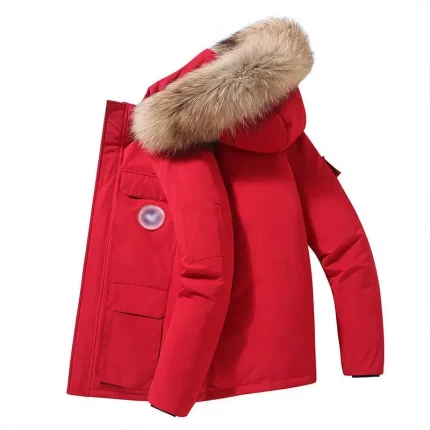
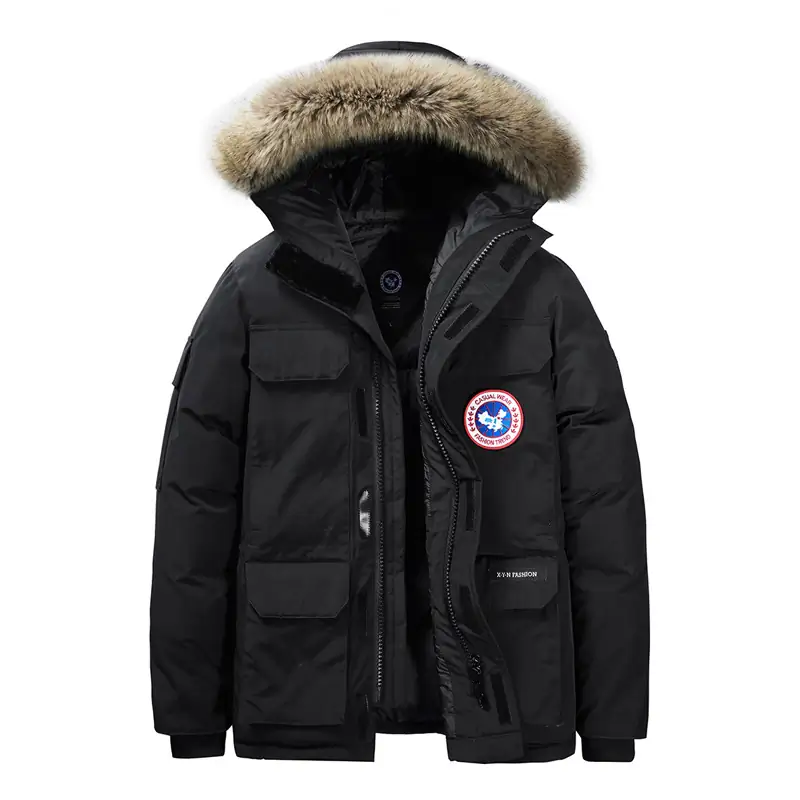
This replica hooded parka delivers impressive thermal performance, leveraging high-loft synthetic fill to trap body heat effectively.
View Product →
Don’t just look at the numbers. How it feels and fits matters too.
A perfect fit is key. All that talk about the warmth difference between 650 and 800 fill power down doesn’t matter if the jacket doesn’t fit right. Always try jackets on, or really study those sizing charts.
Make sure you have room to layer a sweater underneath without squishing the down. Squishing it flattens the loft and ruins the warmth. Here’s the thing: a well-fitting 650-fill jacket will keep you toastier than a tight 800-fill one.
Check out user reviews, especially what people say about real-world warmth for the specific model. Different brands make them very differently.
So, to wrap it up, there is a real and noticeable warmth difference between 650 and 800 fill power down. The higher fill power mainly wins by being warmer for its weight and taking up less space. Sure, 800 fill is technically warmer ounce for ounce.
But a good 650-fill jacket can still offer plenty of warmth for lots of situations, and it costs less. In the end, your choice comes down to balancing what you need it to do, what you can spend, and what gives you the best long-term value.
If you’re an adventurer counting every ounce, 800 fill is worth the investment. If you’re a city dweller looking for value, 650 fill is still a top performer.
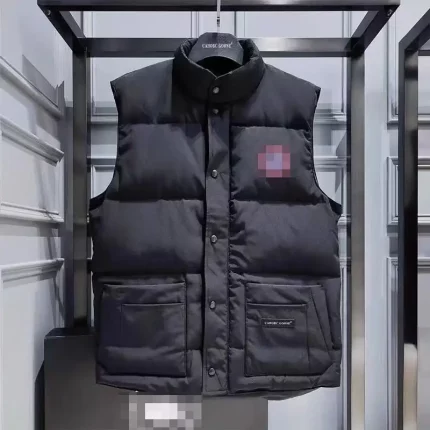
This black replica vest delivers efficient core insulation with 700 Fill Power white duck down, offering a balanced loft-to-weight ratio ideal for tra…
View Product →
Wanna actually feel how different they are?
Tell us in the comments what you’ve noticed about different fill powers, like 650 vs 800 down warmth.
Or, check out our full guide on down insulation tech. It’ll help you pick the best gear for the cold like a pro.
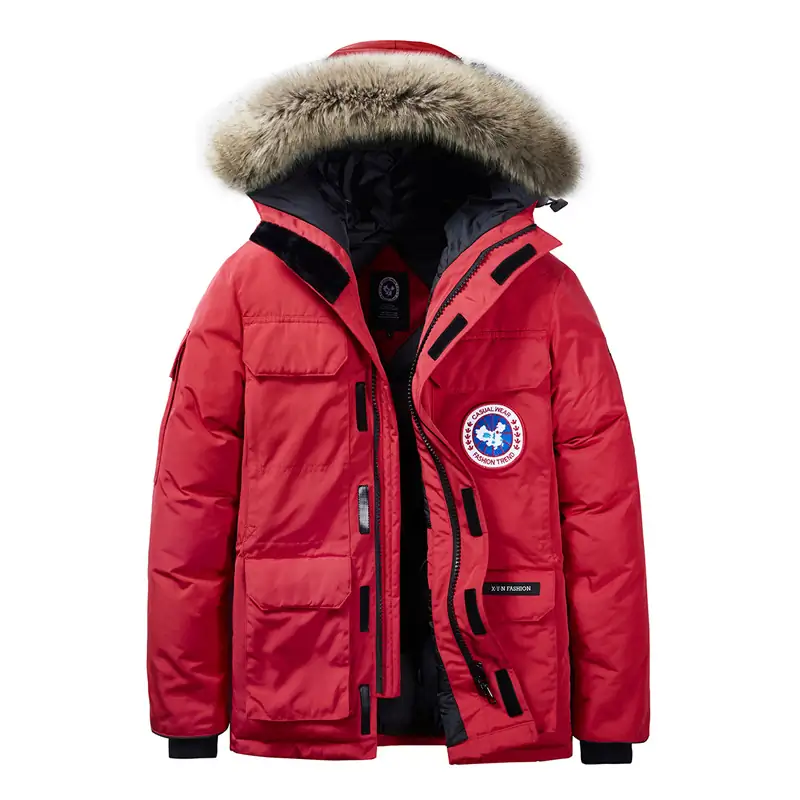
Engineered for harsh conditions, this High-Quality replica parka delivers robust thermal efficiency through dense, high-loft polyester fiberfill.
View Product →
Alright, let’s talk about down fill power: 650 versus 800.
So, is an 800 fill jacket always warmer than a 650 one?
Not really, no. How warm a jacket is comes down to how much down is actually stuffed inside. The thing is, 800 fill down is warmer for every ounce you use.
So, a 650 jacket packed with a lot of down can actually beat a lightweight 800 jacket in warmth. That’s why you gotta check both the fill power number and the total fill weight.
>Engineered with 700-fill power white duck down, this high-quality replica vest delivers exceptional thermal efficiency for light cold conditions.
View Product →
Okay, but how much warmer *is* 800 fill compared to 650?
It’s more about efficiency than a set temperature difference. 800 fill down gives you the same heat as 650 fill, but it needs about 20-30% less of the stuff. What this means for you is: if two jackets weigh the same, the 800 fill one will be toastier.
Or, if you want the same warmth, the 800 fill jacket will be lighter and squish down smaller in your pack.
So, is shelling out more cash for 800 fill down worth it?
That totally depends on what you’re using it for. If you’re into backpacking, climbing, or any activity where every ounce and inch in your pack counts, then yeah, the extra cost makes sense.
But for just knocking around town in winter, where you don’t need it to pack super tiny, a 650 or 700 fill jacket usually gives you more bang for your buck and plenty of warmth.
One more thing: does higher fill power down last longer?
Nope, fill power itself doesn’t really tell you how long it’ll last. How long your jacket lasts depends more on the quality of the down, how tough the fabric is, how well it’s made.
and—this is a big one—taking good care of it and washing it right. With the right care, both high and medium fill power down jackets can keep you warm for years.