How Warm Is 800 Fill Down For Hiking?
I’ll never forget shivering on a windy Rocky Mountain ridge, totally second-guessing my gear. That’s the moment it hit me: you really gotta understand down insulation ratings, especially that 800 fill power temperature rating for hiking. It’s way more than just a tag number. It’s your ticket to staying comfy and safe out there. This guide cuts through all the marketing fluff. We’ll break down what an 800 fill down jacket’s warmth really means for your hikes, stack it up against other fills, and talk about the other big factors that affect how it actually performs. We’re diving into the science of loft, how weather messes with it, and how to pick the right 800 fill down jacket for your kind of hiking trip.
Table of Content
- Decoding 800 Fill Power: The Warmth Metric
- Key Factors Beyond the 800 Fill Number
- Comparing 800 Fill to Other Insulation Options
- Choosing the Right 800 Fill Jacket for Your Hike
- Caring for Your High-Fill Down Jacket
- FAQ: 800 Fill Down for Hiking
Let’s break down what 800 fill power really means for warmth.
So, what’s fill power actually measuring?
Here’s the key thing: fill power tells you about loft, not the exact temperature. It shows how much space one ounce of down puffs up to, measured in cubic inches.
If you see an 800 fill power rating, it means in a lab test, one ounce of that down puffed up to 800 cubic inches. More loft means more tiny air pockets get trapped, and that’s what keeps you warm.
For hiking, this means you get a jacket that’s super warm but doesn’t weigh much. That’s a huge plus when you’re watching every ounce in your backpack. But remember, fill power is just the beginning.
The real warmth comes from how much down is actually in the jacket (the fill weight) and how well the jacket is made.
From my own experience on a long hike, my 800-fill down jacket made a massive difference. It packed down smaller and was lighter than my old 600-fill one, but it kept me just as cozy when the temperature dropped at camp.
That efficiency is the whole point for hikers and backpackers. You get a super light kit that still gives you the crucial warmth you need when you stop or set up camp.
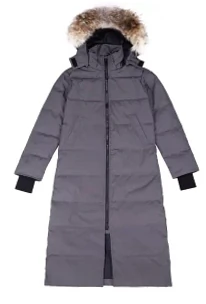
This graphite grey with black label mid-length parka is engineered for severe arctic conditions down to -30°C, featuring 85% white duck down with 600+…
View Product →
So how does fill power relate to a temperature rating?
You’ll usually see a comfort or temperature rating from good brands on their insulated gear. Take a standard men’s hiking jacket with 800 fill down. It might be rated for comfort around 20 to 30 degrees Fahrenheit (that’s -7 to -1 Celsius) when you’re not moving much, like hanging out at camp. It’s really important to treat these numbers as rough estimates for perfect conditions. There’s a stricter test called the EN 342 standard that figures out the insulation value (the clo value), but not all hiking clothes use it.
Here’s a rough guide to temperature ratings for different down fill powers.
| Fill Power |
What it’s good for |
Estimated comfort range (not moving much)* |
Best for hiking… |
| 600-700 |
Mid-weight warmth |
30°F to 40°F (-1°C to 4°C) |
Cool-weather day hikes |
| 800-850 |
High-efficiency warmth |
20°F to 30°F (-7°C to -1°C) |
Cold-weather backpacking, alpine hiking |
| 900-1000 |
Top-tier warmth for the weight |
10°F to 20°F (-12°C to -7°C) |
Serious expeditions, extreme cold |
*These can change a lot based on how much down is used, how the jacket is built, and your own body.
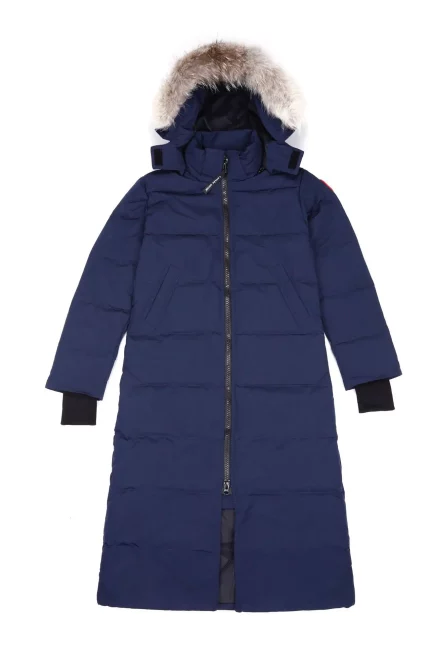
This navy blue mid-length parka delivers serious protection for arctic conditions down to -30°C, featuring 85% white duck down with 600+ fill power fo…
View Product →
Key Factors Beyond the 800 Fill Number
Total Down Weight and Construction
Here’s the thing: fill weight is what really matters. Sure, the 800 fill power number tells you how good the down is, but the fill weight—like 3.5 ounces in a jacket—tells you how much of it you’re actually getting.
So, two jackets might both have that 800 fill power rating, but if one’s got 2.5 ounces of down and the other packs 5 ounces, they’re gonna keep you warm in totally different ways.
When you’re picking a down jacket for hiking, you’ve gotta find that sweet spot. You want enough down to handle the weather you’re heading into, but you also don’t want it to weigh down your pack.
And don’t forget about how the jacket is made—the baffles. Box baffles stop the down from shifting around and really puff it up for max warmth, though they add a tiny bit of weight. Sewn-through baffles are lighter, sure, but they can leave you with cold spots where the stitching is.
The experts over at Outdoor Gear Lab back this up. Their tests keep showing that how warm a jacket is depends way more on the total weight of the down inside it, not just the fill power number.
They say for most three-season hiking, a jacket with 800-fill power and about 3 to 4 ounces of down is usually the perfect choice. It packs down small, doesn’t weigh much, and still gives you plenty of insulation for those cool spring and fall days or up in the mountains.
Engineered for high-altitude thermal retention, this vest's 700-fill power down provides exceptional loft and warmth-to-weight ratio
View Product →
External Conditions and Layering
Now, about that temperature rating you see on an 800-fill jacket—it’s based on a perfect, dry, and windless day. But out on the trail, things are always changing. Wind will steal your warmth in no time.
And if the down gets wet from rain, your own sweat, or just damp air, it flattens out and stops insulating you completely. That’s why, unless you’re hiking somewhere bone-dry.
you absolutely need a waterproof and breathable shell to throw over your down jacket. How active you are makes a huge difference too. That rating, like keeping you warm at 20°F, is for when you’re just standing still.
When you’re actually hiking and moving, your body is making its own heat. You’ll probably only need to put the jacket on when you stop for a break or once you get to camp.
My go-to strategy for dealing with unpredictable mountain weather is a simple layering system. Start with a base layer that pulls sweat away from your skin. Add a fleece mid-layer to stay warm while you’re moving.
Then, your 800-fill down jacket is your main insulation for when you stop and cool down. This way, you can add or remove layers as you warm up or cool down. It works way better than just trusting one jacket’s temperature rating to cover everything.
So remember, think of your 800-fill down jacket as one piece of your hiking gear system, not the only thing that’s gonna keep you warm.
This cream white mid-length parka provides serious arctic protection for temperatures down to -30°C, featuring 85% white duck down with 600+ fill powe…
View Product →
Let’s see how 800 fill down stacks up against other insulation choices.
First up, 800 fill down versus synthetic insulation.
The big question is always about warmth when it gets wet. High-quality 800 fill down beats synthetic stuff like PrimaLoft Gold when it comes to warmth for its weight and how small it packs.
But here’s the thing: synthetic insulation keeps you warmer if it gets damp, and it dries out way quicker. So, if you’re hiking somewhere always wet or humid, say the Pacific Northwest, a synthetic jacket could be your safer bet, even if it takes up more room in your pack.
Now, about durability and care. Down jackets, especially the high-fill-power ones like 800 fill, need you to baby them a bit more. You gotta store them loose, not squished, wash them with special soap for down.
and make sure they’re completely dry to get that fluffy loft back. Synthetic jackets are a lot easier to deal with. Looking at how long they last, a good 800 fill down jacket you take care of can go for decades.
Synthetic insulation, though, slowly loses its fluffiness over time from being packed down and washed.
This vibrant pink mid-length parka delivers serious arctic protection for temperatures down to -30°C, featuring 85% white duck down with 600+ fill pow…
View Product →
So, is 800 fill down worth the extra cash compared to 600 or 700 fill?
Let’s talk performance versus price. Jumping from 600 to 800 fill power makes a real difference. You get the same warmth, but it packs way smaller and saves you weight.
The step up from 800 to 850 or 900 fill is smaller, but the price tag gets a lot bigger. For most of us hikers, 800 fill power is the sweet spot. You get awesome performance without paying that crazy top-tier price.
It hits that perfect balance for backpacking, where saving space and weight makes your hike way more comfortable.
Here’s a quick look at how different fill powers compare for hikers.
| What to think about |
600-700 Fill |
800 Fill |
900 Fill |
| How small it packs |
Pretty bulky |
Nice and compact |
Ultra-Nice and compact |
| Weight for the warmth you get |
On the heavier side |
Nice and light |
Super light |
| The cost |
Easier on the wallet |
A premium price |
Ultra-A premium price |
| Who it’s best for |
Casual outings or car camping |
Serious backpacking and hiking |
Alpine climbing or if you’re obsessed with every ounce |
Picking the perfect 800 fill down jacket for your hike.
You gotta match the features to how you hike.
Here’s a feature checklist: not every 800 fill down jacket works the same on the trail. Look for stuff that actually works for hiking. You want a tough, water-resistant shell—something like Pertex Quantum—to handle light rain and bushes.
A hood that fits and moves with you is key. Get elastic cuffs and a hem that blocks drafts to keep the warmth in. And make sure the zippered pockets are easy to reach even with your pack’s hip belt on.
If you’re moving fast and sweating, think about a jacket that has synthetic insulation in spots like the underarms where you sweat most.
Fit is super important for moving around. Your hiking down jacket needs to let you move freely, whether you’re scrambling or using trekking poles. I learned this the hard way—I bought a slim-fit down jacket once, and it was way too tight on the trail.
Go for a relaxed or active fit instead, so you can wear a mid-layer underneath. The best way to check the fit? Just try it on with the layers you usually hike in.
Engineered for light-cold conditions down to -5°C, this parka features 550 Fill Power white duck down, offering exceptional thermal efficiency and lof…
View Product →
Let’s talk about warranties and responsible down.
For ethical sourcing, check for certifications like the Responsible Down Standard (RDS). This means the down didn’t come from animals that were force-fed or live-plucked. These days, most good brands follow this standard.
Plus, a lot of top jackets now treat the down itself with a water-repellent coating—they call it hydrophobic down. It makes a big difference in damp weather, so it’s a really smart upgrade for hikers.
Now, about warranty and repair: a good 800 fill down jacket is a real investment. Most top outdoor brands give you a limited lifetime warranty. This covers problems with the materials or how it was made.
But it’s really important to know this: the warranty usually doesn’t cover normal wear and tear, or damage from not taking care of it right. A lot of them also offer pro cleaning and repair services.
Using these can really help your jacket last way longer. Always look up the brand’s own rules for compressing and cleaning the down insulation. That’s how you make sure your warranty stays good.
This distinctive sky blue mid-length parka provides serious arctic protection for temperatures down to -30°C, featuring 85% white duck down with 600+ …
View Product →
Here’s how to take care of your high-fill down jacket.
Let’s talk about washing and drying it the right way.
Keeping that 800 fill power temperature rating means you’ve got to look after it properly to keep it fluffy. Skip the regular laundry soap and fabric softener.
They’re bad news—they wash away the down’s natural oils and ruin the water-resistant coating. What you want is a special down cleaner, something like Nikwax Down Wash Direct. Just toss it in a front-loader and run a gentle cycle.
Drying is the really important part. Use low heat and chuck in a couple of clean tennis balls or dryer balls. They’ll help bust up any clumps. It might need a few rounds in the dryer, but it’s totally worth it to get all that fluff and warmth back.
How you store it is a big deal. Don’t leave it squished in its stuff sack for months on end. That’ll crush the down clusters for good, and you’ll lose loft and warmth.
A better bet is to hang it up in a cool, dry spot, or just put it loosely in a big cotton bag. Personally, I just hang mine in my gear closet so it’s ready to grab for the next trip.
This high-quality replica parka utilizes 550 Fill Power white duck down with 81-85% down cluster content, providing effective thermal insulation for l…
View Product →
Fixing it on the trail.
Even if you’re careful, hiking can cause little tears or leaks where down pokes out. It’s smart to keep a small roll of tenacious tape or a special down repair patch in your first-aid kit.
They give you a quick and tough fix right on the spot to stop more down from escaping. If a seam really blows out, it’s best to send it back to the company’s repair shop. They know how to fix it right without messing up the jacket’s inner structure.
So, to wrap it up, an 800 fill down jacket is awesome for hikers. It gives you a great mix of warmth, light weight, and it packs small. When you’re not moving much in dry weather, it can keep you cozy down to about 20-30°F.
But how well it really works depends on a few things: how much down is in there, how it’s made, and how you use it with other layers and a shell to block wind and wet.
Get a handle on those factors, and you can pick the right one and use it to hike later into the fall or tackle chillier, higher-up trails in total comfort.
Ready to give it a try? Drop your own stories about using down jackets on the trail in the comments! Or, check out our rundown of the top-rated hiking down jackets this season to find your perfect one.
This rich royal blue mid-length parka delivers serious arctic protection for temperatures down to -30°C, featuring 85% white duck down with 600+ fill …
View Product →
Alright, let’s talk about 800 fill down for hiking.
So, you’re wondering if an 800 fill down jacket will keep you warm on a winter hike?
It might be! But honestly, it really comes down to two things: how much down is actually in the jacket and what you’re wearing underneath. A jacket with 800 fill power and a substantial amount of down (4 ounces) is suitable for cold winter hiking when used as part of a system with a base layer, a fleece, and a shell. But if you’re just hanging around camp when it’s really freezing, like below 20 degrees, you’ll probably want a heavier, puffier parka instead.
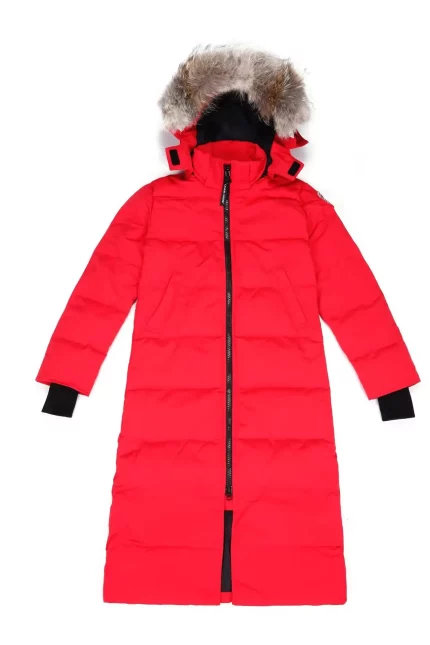
This vibrant bright red mid-length parka offers serious arctic protection for temperatures down to -30°C, featuring 85% white duck down with 600+ fill…
View Product →
Now, what about humidity? How does that mess with the 800 fill down temperature rating?
Here’s the thing: down and damp air just don’t get along. When the air’s really humid, the down soaks up that moisture. That makes it flat and heavy, and it just won’t trap heat like it’s supposed to. Remember, those warm temperature ratings you see?
They’re for dry weather only. So if you’re hiking somewhere damp, look for a jacket with treated, water-resistant down. And always, always throw a waterproof shell over it.
Can you actually hike in an 800 fill down jacket?
Usually, that’s a bad idea, unless it’s absolutely frigid out. Down is best as a static insulation layer. Hiking is hard work! You’ll get way too hot and sweaty in a down jacket. All that sweat can get into the down and make it lose its puffiness.
It’s smarter to hike in just your base and mid-layers. Then, pull out your cozy 800 fill down jacket when you stop for a break, eat lunch, or get to camp.
Okay, let’s clear this up: what’s the deal with fill power versus fill weight?
Fill power—that number like 800—tells you how fluffy and high-quality the down is. It’s how much space one ounce can puff up to fill. Fill weight is simpler: it’s just how many ounces of that down they actually stuffed into the jacket.
Here’s an easy way to think about it: fill power is like the insulation’s efficiency rating. Fill weight is how much fuel you’ve got in the tank. You gotta look at both numbers to really guess how warm that 800 fill down jacket will keep you.