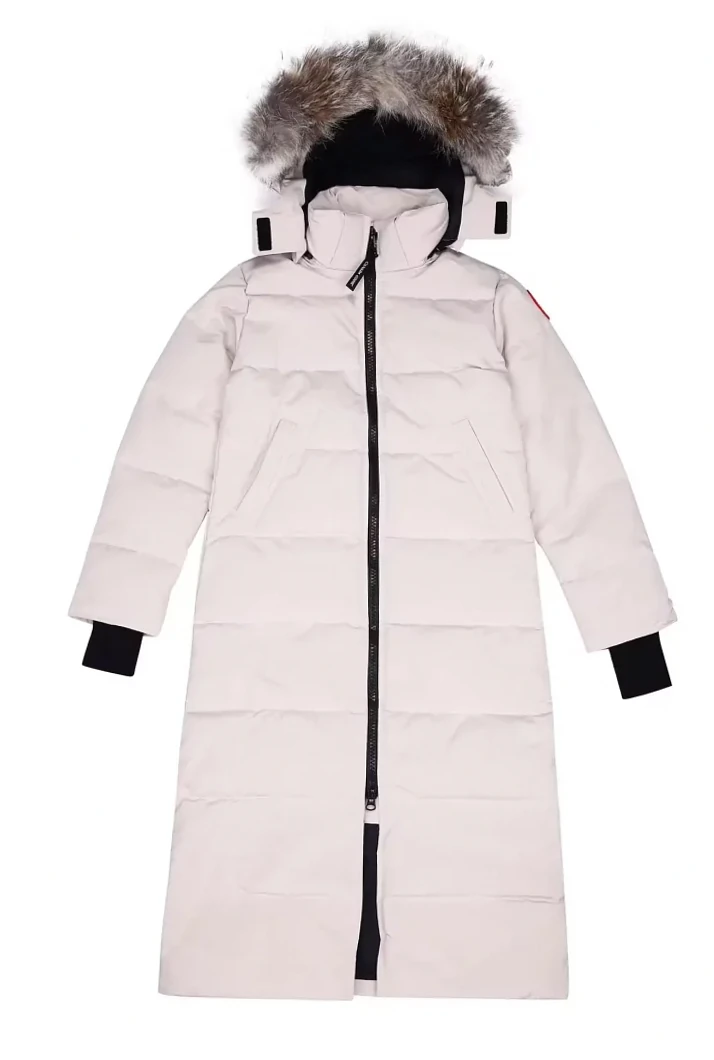
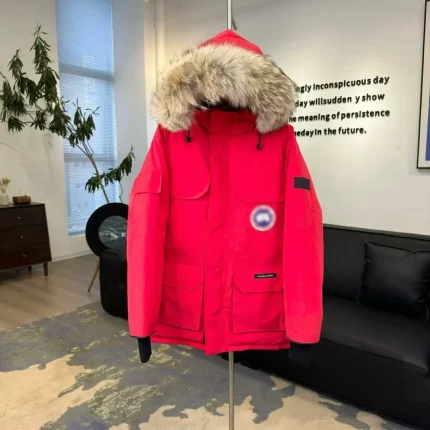
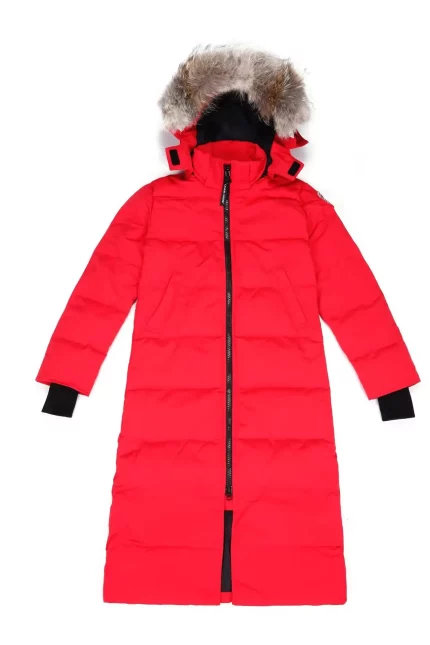
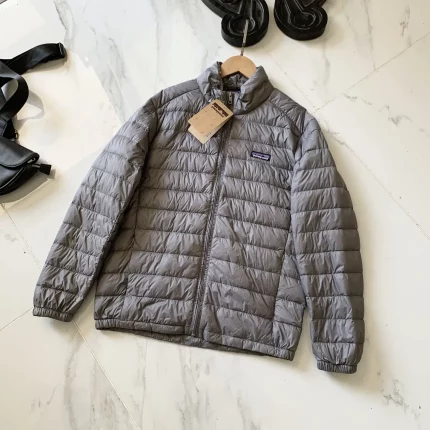
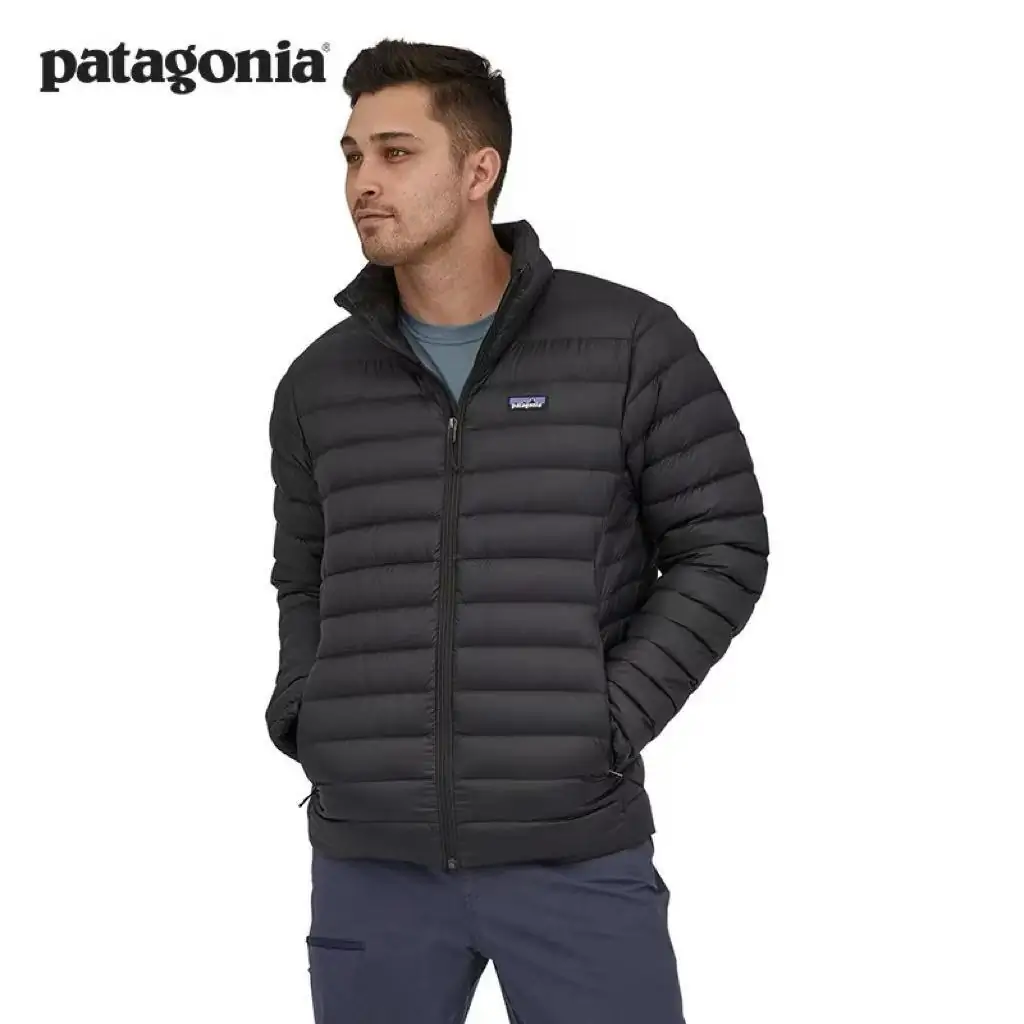
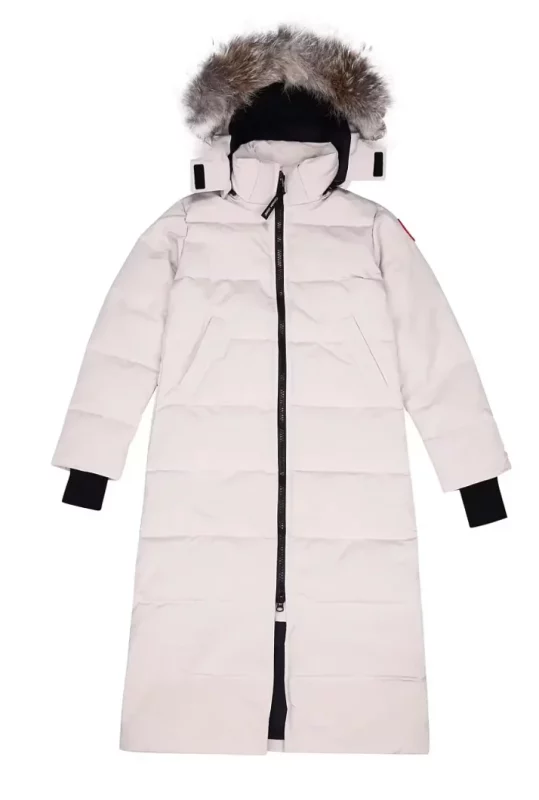
So, you’re packing for a ski trip and wondering, is a down jacket good for resort skiing? That question pops up a lot. Down jackets are super tempting because they’re famously warm for their weight. That’s a huge plus when you’re freezing on the chairlift. But skiing at a resort isn’t that simple. You’re active one minute, resting the next. You’ve got snow, sweat, and you need to layer up. So the answer isn’t just yes or no; it’s a bit more complicated. Let’s break down how down insulation actually performs for alpine skiing. We’ll stack it up against synthetic jackets too. That way, you can decide what’s best for your next ski vacation.
Let’s talk about what makes down insulation so great.
First up, it’s incredibly warm without being heavy.
The main perk? Down jackets are champs at keeping you toasty without all the bulk. Those fluffy clusters from duck or goose down trap air really well, which is what makes such a good heat barrier. This is a huge plus for resort skiers.
You know those long, cold waits in lift lines or rides up in the gondola? That’s where this light but super warm jacket really shines. A good high-fill-power down jacket gives you just as much warmth as a much heavier synthetic one. That means you can move around easier, and it takes up way less room in your ski bag.
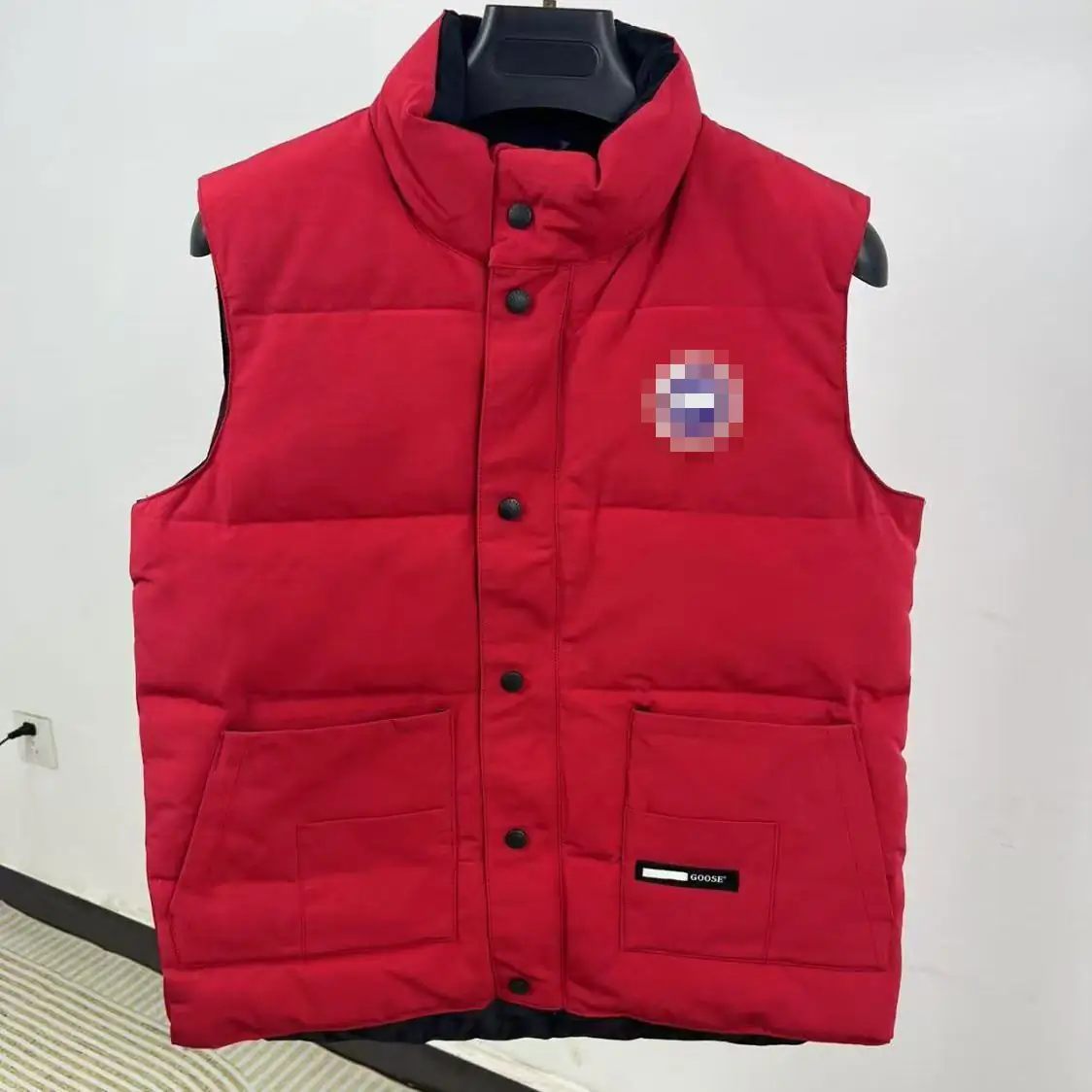
This versatile grey down vest features a substantial 201-300g fill of high-grade white duck down with 86-90% down cluster purity, delivering exception…
Here’s the durability bit: if you take care of it, a solid down jacket stays fluffy and warm for years. A lot of synthetic fills can go flat after being squished too much, but down holds up better. That long-term value is a big deal if you ski a lot.
And then there’s the packing. Down squishes down amazingly for travel. You can cram it into a tiny stuff sack, which frees up tons of space for your other gear. That makes it perfect as an après-ski layer or just a spare warm layer to toss in your backpack.
This sky blue replica vest features 240g of premium 90% white duck down fill, engineered to provide exceptional thermal efficiency with balanced loft …
So, what’s the big problem with down jackets when it gets wet?
Let’s talk about how down handles moisture and clumping up.
Here’s the main issue everyone talks about: down jackets just don’t work well when they’re wet. When down gets damp from snow, sleet, or even your own sweat, it flattens out. That means it stops trapping heat and keeping you warm.
Think about a busy ski day. You might sweat hiking to the lift or going hard down the slopes. That’s when this becomes a real problem. Once it clumps together, it barely keeps you warm. And good luck trying to dry it out completely while you’re still on the mountain.
Crafted for optimal warmth-to-weight ratio, this high-visibility replica vest utilizes 270g of 90% white duck down, providing superior loft and therma…
Imagine it’s snowing or just really humid out. Sure, a waterproof shell helps, but it’s not foolproof. Water can sneak in through seams and zippers. Or, your own body heat can create condensation inside the jacket.
A jacket with synthetic insulation will still keep you warm even if it gets a bit damp. A down jacket’s warmth, though, takes a nosedive. So, for resort skiing in places that are often wet, snowy, or near the coast, choosing down is a bit riskier.
This entry-level down jacket offers a practical solution for light winter, filled with 550-fill-power white duck down. It reliably provides warmth in …
So, you’re wondering about down versus synthetic insulation for skiing?
Let’s break down how they perform.
Here’s the lowdown on down and synthetic for resort skiing.
What to look at
Down jackets
Synthetic jackets (like PrimaLoft or Thermore)
How warm are they when dry?
Down is awesome here. It gives you the most warmth for its weight.
Synthetic is good to very good, but not quite as toasty for the weight.
What about when they get wet?
Down struggles. It loses its puff, clumps together, and doesn’t keep you warm.
Synthetic holds up much better. It keeps most of its insulating power even when damp.
How fast do they dry?
Down dries really slowly.
Synthetic dries out a lot faster.
Can you pack them down small?
Down is the winner. You can squash it into a tiny stuff sack.
Synthetic is just okay to good. It doesn’t pack down as small.
How long do they last?
Down is the winner. You can squash it into a tiny stuff sack. (with care)
Synthetic is good, but it might lose some loft and get flatter after a few seasons.
So, which one’s best for what?
Down jackets are perfect for super cold, dry days, hanging out après-ski, or when you’re not working up a big sweat.
Synthetic jackets are the way to go for changeable or wet weather, if you’re skiing hard and sweating, or as an all-around reliable choice for resort skiing.
Picking the right one really comes down to how you ski and where.
Think about your own skiing style and the typical weather you face. If you mostly stick to groomers, take lots of lodge breaks, and ski in cold, dry places like interior BC or a sunny Colorado day.
a down jacket could be your ideal pick for resort skiing. On the other hand, if you love going off-piste, ski in wet snow or coastal areas like the Pacific Northwest, or you’re a heavy sweater.
you’ll want to go with a good synthetic jacket. It’ll perform more consistently and handle moisture way better for your resort skiing.
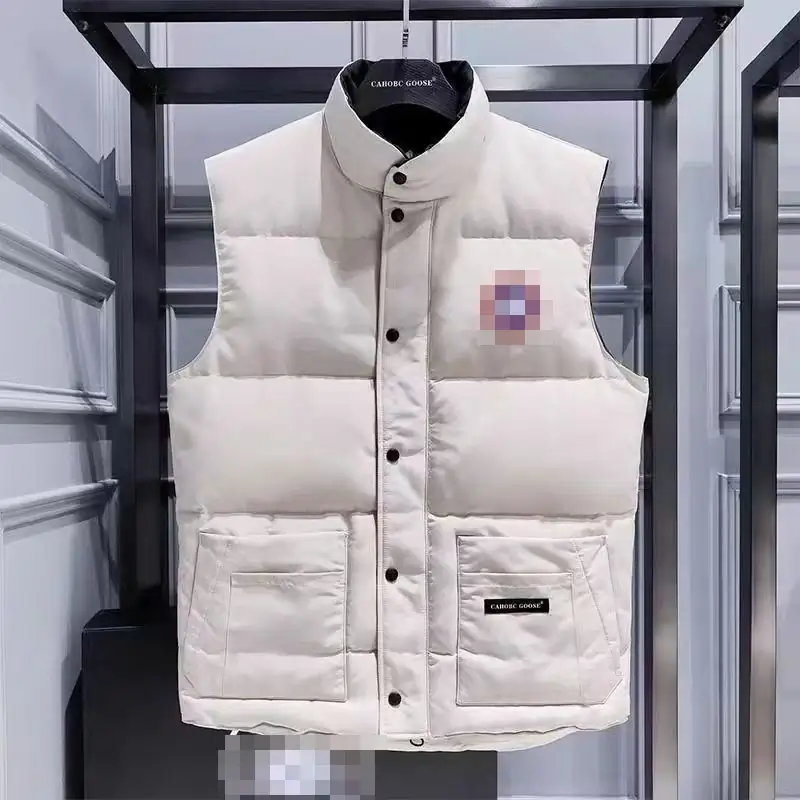
This high-quality replica vest delivers authentic thermal performance with 280g of premium 90% white duck down,
So, should you wear your down jacket as a mid-layer or an outer layer?
If you want to use a down jacket as your main outer layer, you need one with a really good waterproof and breathable shell. That shell should also have a DWR finish to shed water. But there’s a more flexible way to go.
You can add down into your regular layering system. A light down vest or jacket works amazingly well as a mid-layer. Just pop it under your waterproof ski shell.
This combo keeps your core super warm, while the shell handles any wetness. You get the best of both! Plus, it’s easy to adjust layers when the resort temps go up and down.
This entry-level down jacket is a practical and less expensive option for cool weather, filled with 550-fill-power white duck down.
Check out these sample layering setups that include down.
For these conditions
Start with this base
Add these mid-layers
Top it off with this shell
When it’s brutally cold and dry
A Merino wool base layer
Fleece Down Jacket
A hardshell or an insulated shell
On a typical resort day with changing weather
A synthetic technical base
A lightweight down vest
A waterproof, breathable hardshell
For spring skiing
A light Merino layer
Pack a down jacket in your backpack
A softshell or a light hardshell
So, what makes a down jacket good for resort skiing?
Let’s talk about the must-have specs.
First off, if you go with down, pick one made for being active on the slopes. You’ll want down that’s treated to resist water—stuff like DownTek or DriDown—to help it handle a bit of dampness. A high fill power (700 ) indicates better loft and warmth.
This is key: the shell needs a tough waterproof and breathable layer, like Gore-Tex, with all the seams taped up tight to really keep you dry. And don’t forget resort-friendly features—a powder skirt.
a hood that fits over your helmet, and plenty of pockets for your ski pass and goggles are all super important.
Engineered for reliable performance in transitional climates, this grey camo replica vest utilizes 290g of 90% white duck down, delivering excellent l…
Looking at ski forums and gear reviews, people’s experiences really split into two camps. One Utah skier said, My 800-fill down jacket is awesome for sunny days. It keeps me warm on the chairlift and squishes down small for hiking in the spring.
On the flip side, a skier from Washington shared, I stopped using my down jacket after one wet day at Whistler. By lunchtime, it was just a cold, damp disaster.
They switched to a synthetic jacket and never went back. So the big takeaway? Your gear needs to match the kind of weather you usually ski in.
Wearing this jacket in light winter temperatures feels comfortably warm without bulk. The 90g white duck down with 550 fill power handles daily cold c…
Here’s how to properly clean and dry your ski down jacket.
Taking good care of your jacket is a must if you want to keep it fluffy and water-resistant. First things first, always check the care label. Grab a special down detergent and wash it gently in a front-loader.
Make sure you rinse it really well. Drying is the trickiest part. Toss it in a big dryer on low heat with some clean tennis balls or dryer balls to fluff it up and break apart any clumps.
You might need to run it through a few times. Don’t stuff it in a compression sack for storage. Hang it up in a breathable bag instead.
Engineered for versatile cold-weather performance, this deep blue replica vest utilizes 260g of 90% white duck down with high loft retention
That water-repellent coating on the outside doesn’t last forever. It wears off with use and washing. To keep your jacket shedding snow and light moisture like new, you’ll need to reapply a DWR treatment every now and then.
Just get a spray-on or wash-in kind made for ski gear. It’s an easy job that makes a huge difference. It really boosts how well your jacket works and how long it lasts on the ski slopes, plus it keeps the down inside nice and dry.
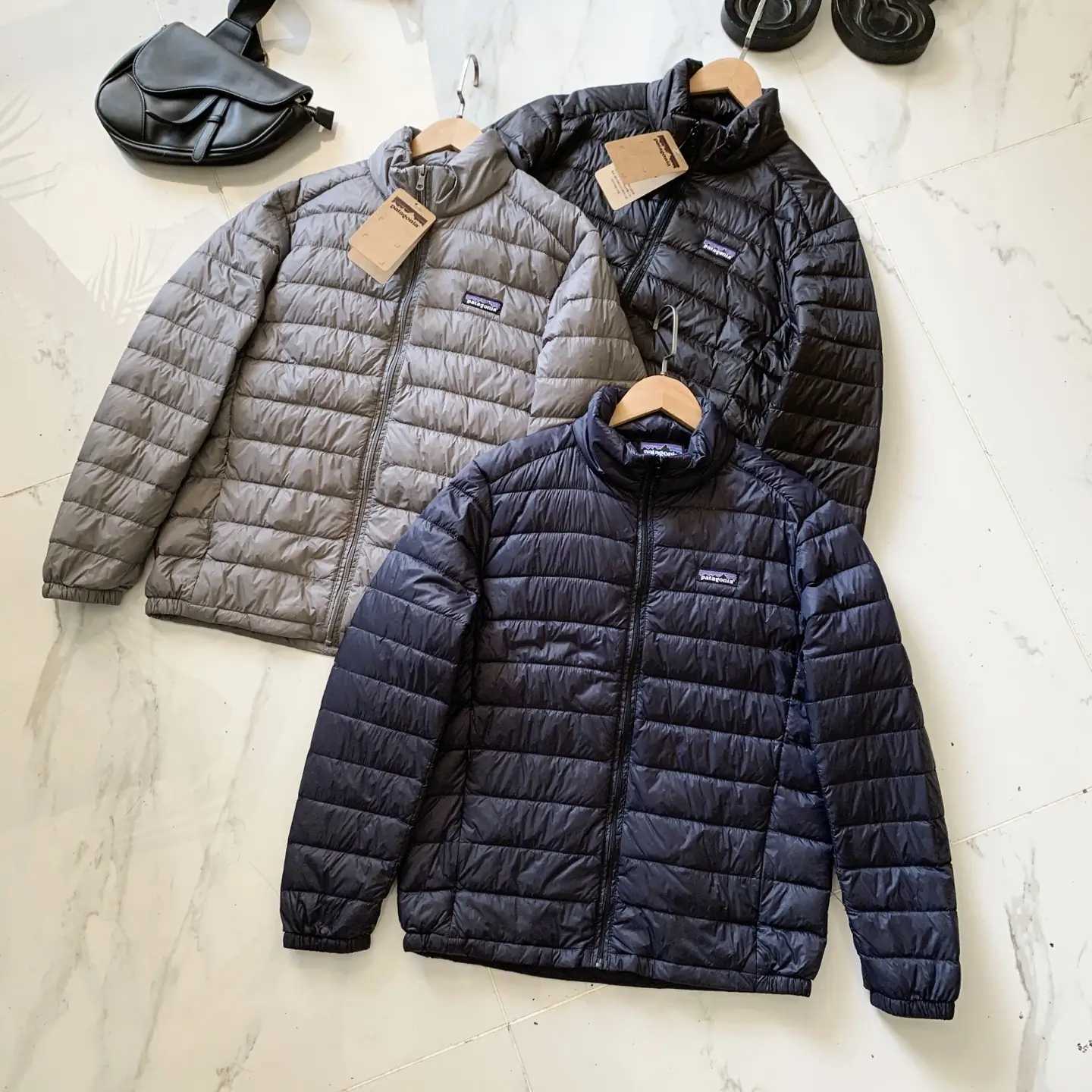
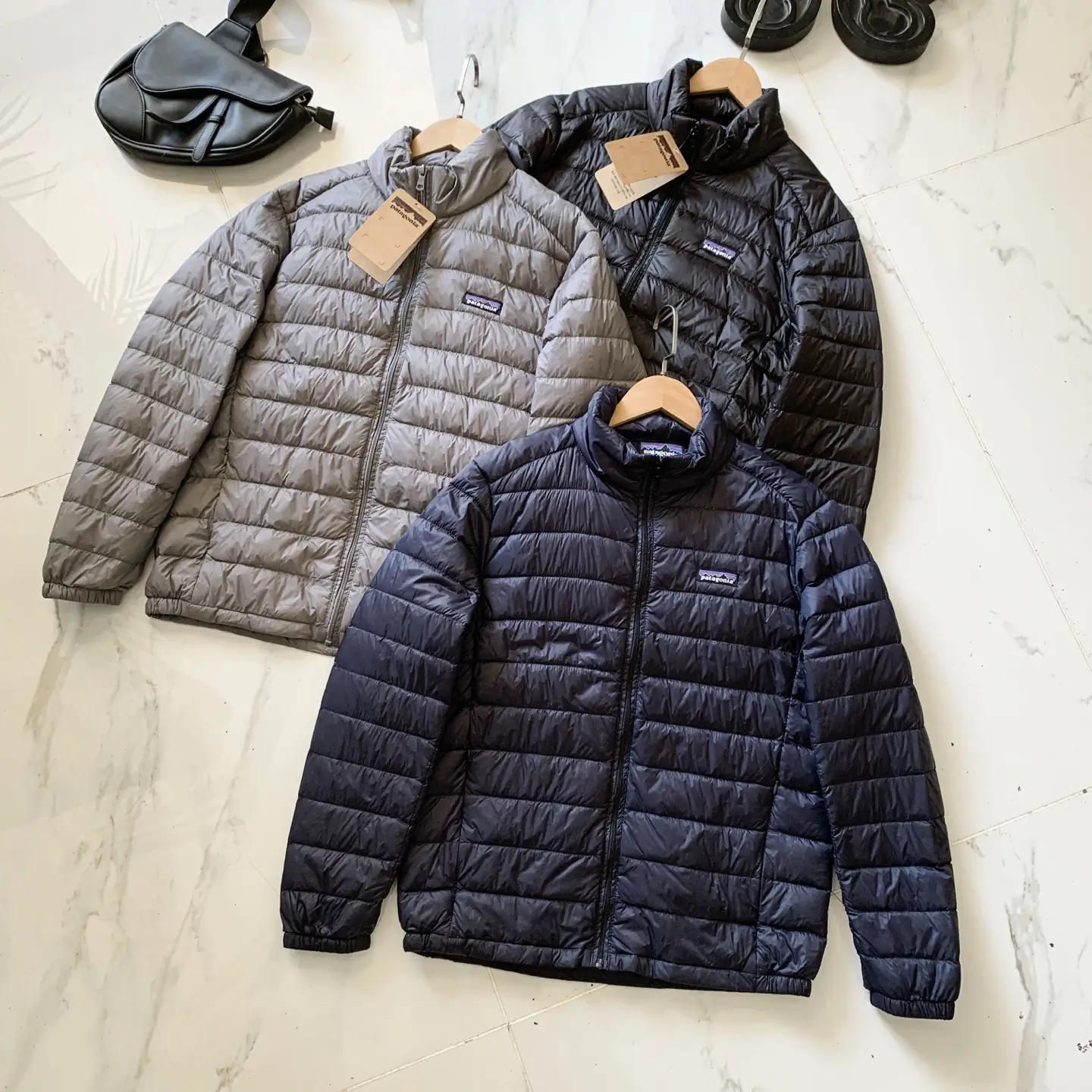
This Patagonia-style replica jacket delivers reliable warmth for everyday winter use. Filled with polyester insulation and crafted from 100% nylon she…
So, are down jackets good for resort skiing? Well, in the right conditions, they can be great.
They really shine in cold, dry weather when you’re not pushing too hard on the slopes. Their big wins are top-notch warmth and how easy they are to pack down. But here’s the main catch: down jackets and moisture don’t mix well.
That’s their big weakness. Because of this, they aren’t the most reliable pick for all kinds of weather you might face. Modern synthetic insulation usually handles changing conditions better.
For most folks hitting the resort, the weather and how hard you ski can change a lot. In that case, a good synthetic jacket is often the safer bet. You’ll get more consistent performance from it.
If you just love down and want to use it for resort skiing, there’s a smart way to do it. Try using it as a mid-layer under a waterproof shell. That’s the most versatile approach to get the best of both worlds.
Got thoughts on down or synthetic jackets for resort skiing? Drop your experiences in the comments! Or, if you’re looking for more ways to stay warm and dry on the slopes, check out our full guide on building the perfect ski layering system. It’s packed with pro tips for the whole season.
FAQ About Are down jackets good for resort skiing
Thinking about skiing in a down jacket when it’s snowing?
You can, but it’s a bit of a gamble. If your down jacket has a super waterproof shell, think Gore-Tex, and sealed seams, it might be okay for a light snowfall.
But if you’re dealing with heavy, wet snow or sleet, that moisture can sneak in and ruin the down’s ability to keep you warm. For days when you know it’s going to be snowy, a jacket with synthetic insulation is a safer bet—it stays warm even if it gets wet.
What’s better for spring skiing, down or synthetic?
For spring skiing, synthetic usually wins. Spring weather is all over the place—sunny and warm one minute, then you’ve got wet snow and chilly shade the next.
Synthetic handles sweat and slush better, dries quicker, and gives you enough warmth without cooking you. That makes it way more versatile for spring’s ups and downs.
So, what fill power should you look for in a down ski jacket?
For resort skiing, aim for a down fill power in the 600 to 800 range. Around 600-700 fill is a sweet spot—it’s warm, tough, and won’t break the bank. Higher fill powers (800 ) provide maximum warmth for minimal weight but are more expensive and delicate. Just make sure any down you ski in has a water-resistant treatment.
Should your go-to ski jacket be down or synthetic?
For most people’s main, all-around resort jacket, synthetic is the way to go. It keeps you warm reliably in more situations, deals with moisture like a champ, and you don’t have to baby it as much. Save a down jacket for those super cold, dry days, or just toss one in your pack as an extra layer.