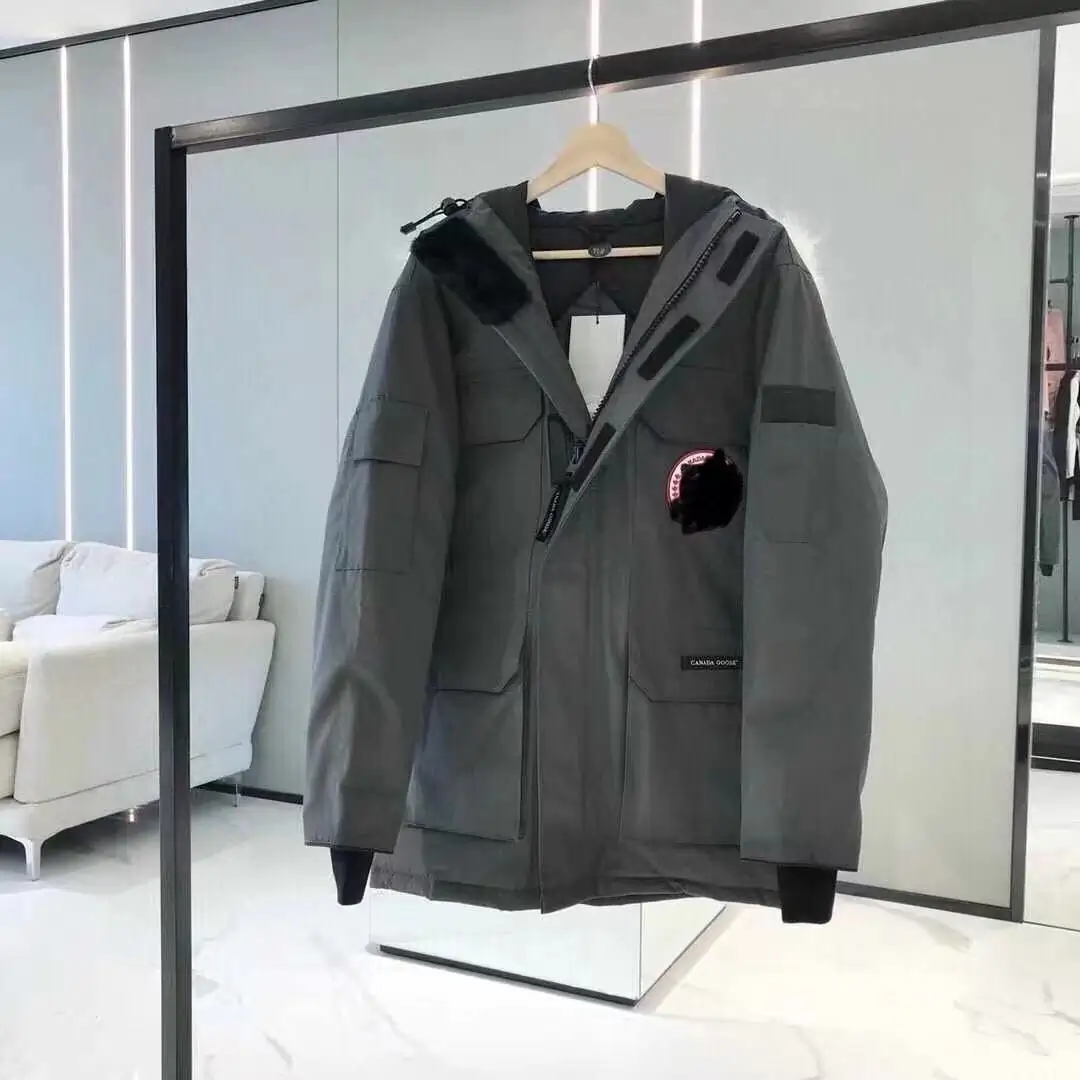
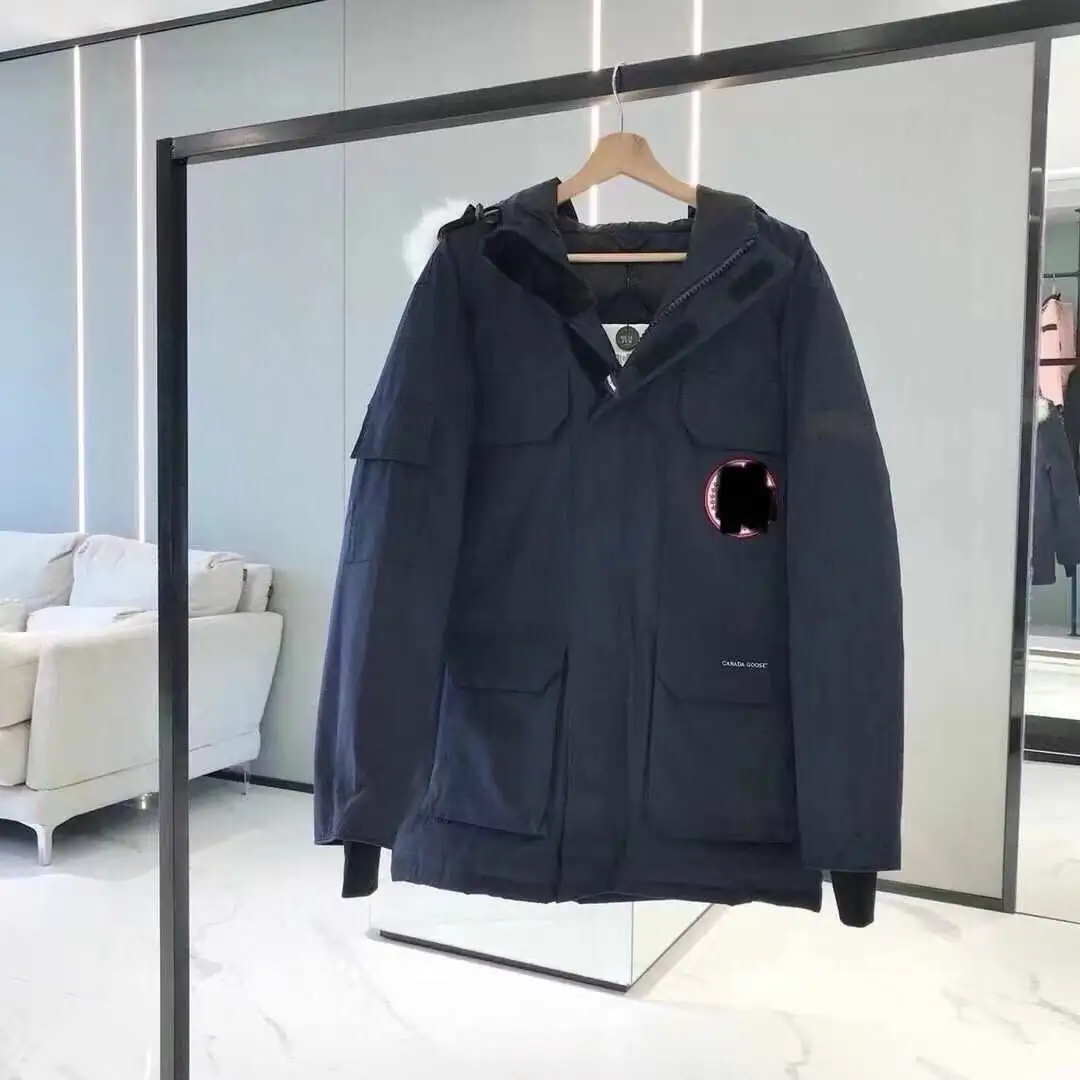
Puffer Jackets: Waterproof or Just Water-Resistant?
You’ve got your eye on a cozy puffer jacket, right? But then you check the weather, and it’s supposed to rain. That’s when the big question hits you: are puffer jackets actually waterproof, or are they just water-resistant? It’s a super important difference. It’s literally the difference between staying dry and ending up soaked. Here’s the real deal: not every puffy jacket is the same. The answer all comes down to two things: what the outside fabric is made of, and whether it has a waterproof membrane or not. Let’s clear up this common gear puzzle. We’ll make sure your next jacket keeps you both warm and dry.
Table of Content
- Defining Waterproof vs. Water-Resistant
- Anatomy of a Puffer Jacket’s Weather Protection
- Identifying True Waterproof Puffers
- Care and Maintenance for Optimal Performance
- Choosing the Right Jacket for Your Needs
- Conclusion and Final Verdict
- Ready to find your perfect puffer?
- FAQ: Puffer Jacket Waterproofing
Defining Waterproof vs. Water-Resistant
The Technical Difference Explained
Core Distinction: So, what’s the main difference? It all comes down to how much pressure they can handle. Take a top-notch rain jacket, for example. It’s got a special membrane—think Gore-Tex or eVent.
This membrane blocks water from getting in, even when there’s a lot of pressure pushing on it. We measure this pressure in millimeters. Let’s say a jacket has a 20,000mm rating.
That means it could hold up a 20-meter tall column of water before it starts to leak. On the other hand, water-resistant fabrics usually just have a DWR coating.
This coating makes water bead up and roll off, but only for light stuff like a quick drizzle. Outdoor gear expert Dr. Lisa Thompson puts it well. She says to think of water resistance like a shield for splashes.
But waterproofing? That’s more like a fortress built for heavy, lasting rain. That’s why it’s so important to check a jacket’s hydrostatic head rating if you want to know how well it’ll really keep water out.
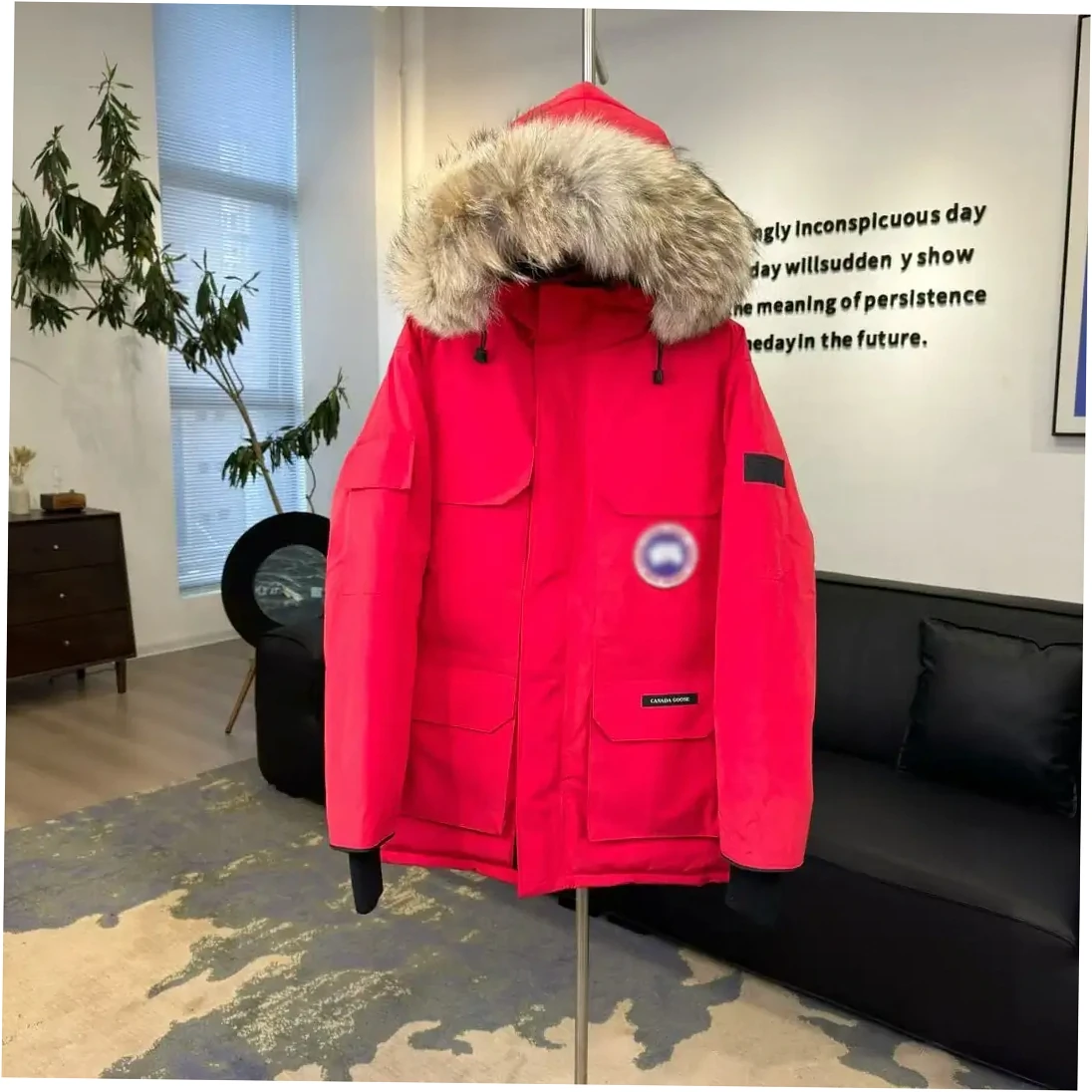
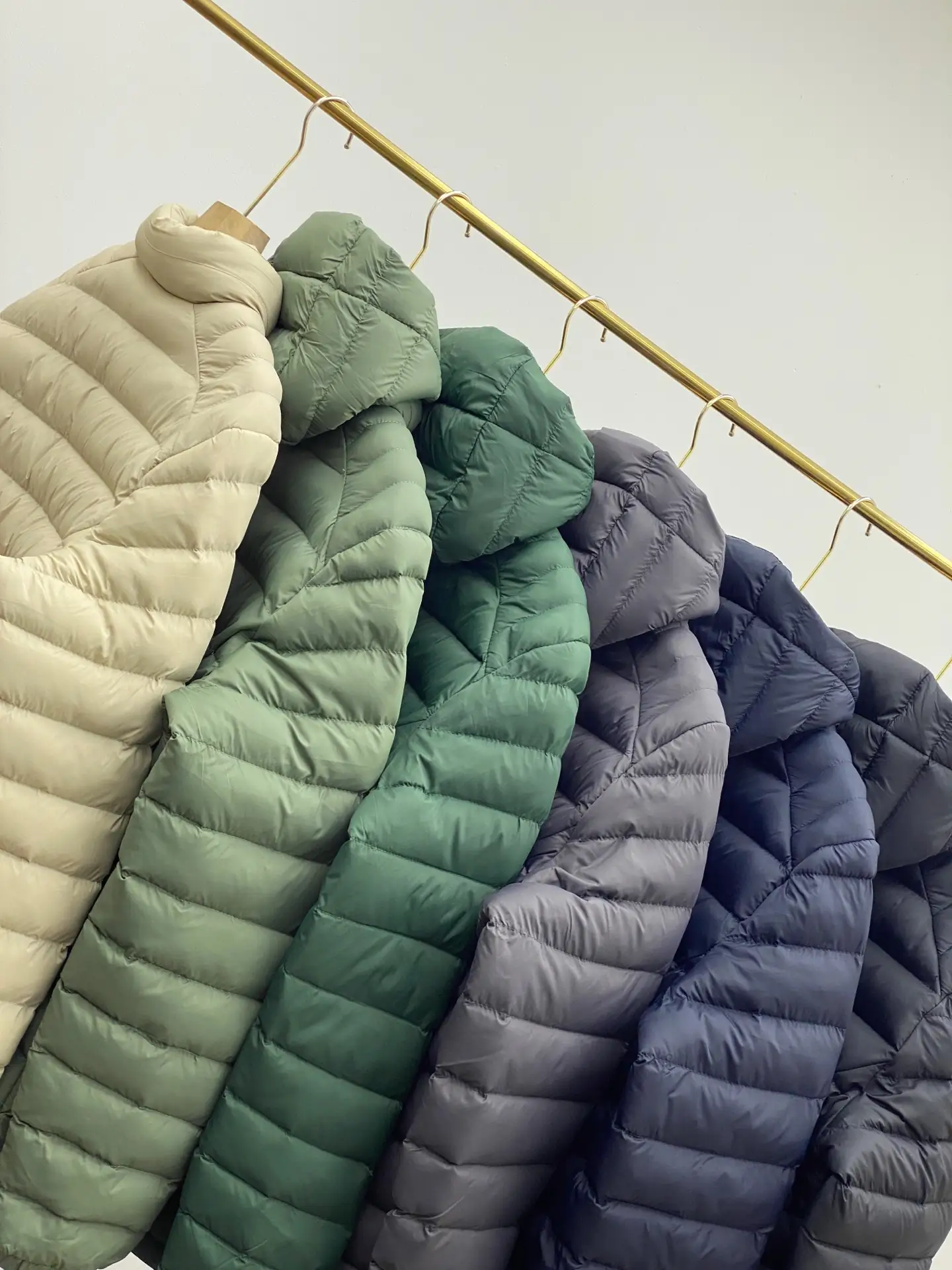
This sage green puffer jacket, inspired by Patagonia designs, offers dependable winter warmth for everyday use
View Product →
How This Applies to Puffer Coats
Now, let’s talk about puffer jackets. Most of them—whether they’re filled with down or synthetic insulation—are naturally water-resistant, not waterproof. Their outer shell, made of nylon or polyester, gets a DWR treatment.
This finish works perfectly fine for dry snow or a little bit of dampness. But here’s the catch. If you sit on a wet bench or get stuck in rain for a while, that DWR coating can get overwhelmed.
Water will start to seep in, and the real problem is it soaks the insulation inside. When down gets wet, it loses its fluffiness and its ability to keep you warm, and fast. So the big lesson here?
Don’t just assume your puffer jacket can double as a raincoat. Always look at the product details to see if it has any specific waterproof ratings.
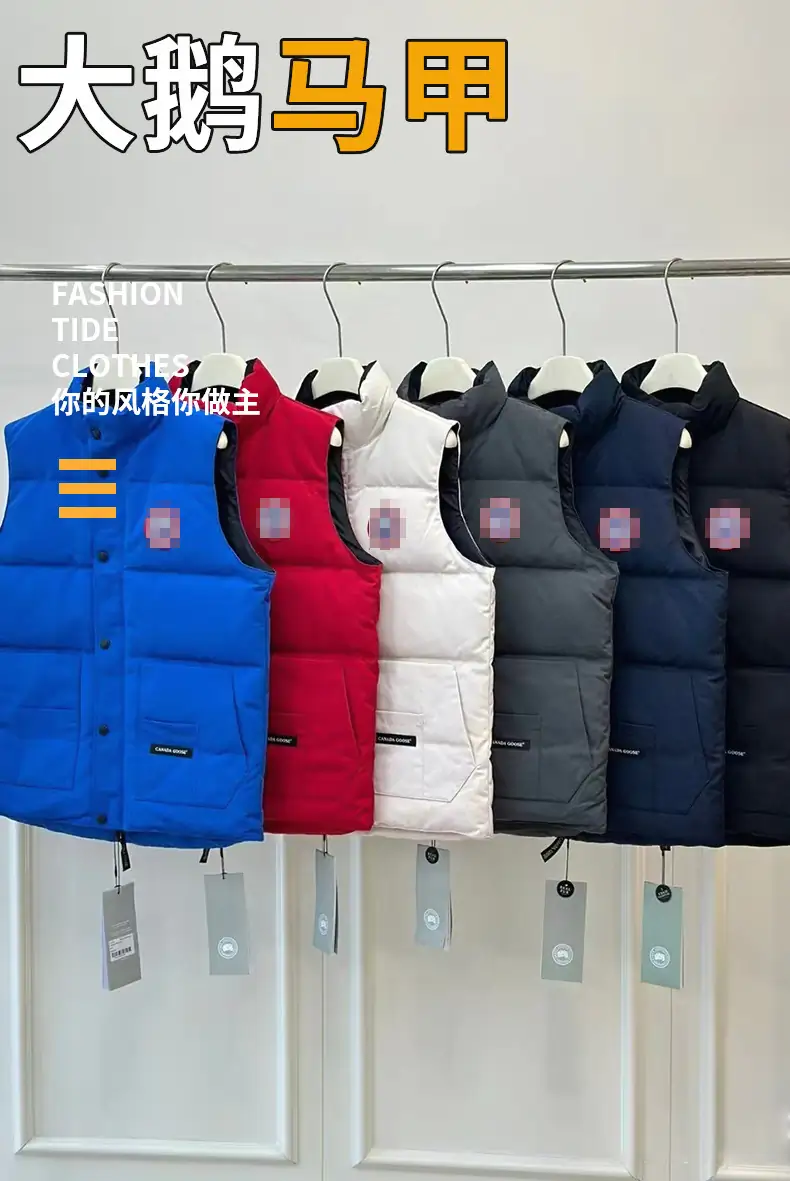
This high-quality replica down vest is insulated with premium white duck down boasting a high 86-90% down cluster content, providing exceptional warmt…
View Product →
Let’s break down how a puffer jacket protects you from the weather.
First up, let’s talk about the outer shell and its treatments.
The face fabric is your first line of defense. You’ll usually find lightweight nylon, like ripstop, or polyester. The way they’re woven gives you a bit of wind resistance and can handle light splashes.
But the real trick, or where it might fall short, is in the treatment applied to them. A good DWR coating makes water bead up and roll right off. That coating doesn’t last forever though.
Rubbing against stuff, getting dirty, and washing it will wear it down. So, spraying on a fresh DWR treatment is key to keeping it working. Fancier jackets might use something like Pertex Shield.
That’s a 2.5-layer laminate with a waterproof membrane built right in. It’s a huge step up from just a DWR coating.
This Patagonia-inspired blue puffer jacket provides solid everyday winter warmth with its polyester fiberfill insulation. The 100% nylon shell offers …
View Product →
Now, what about the insulation and the seams?
The kind of insulation inside is super important if things get wet. Hydrophobic down gets a special treatment so it doesn’t soak up water easily. It handles dampness way better than regular down.
But synthetic insulation, think PrimaLoft or Thermolite, is the real winner in the rain. It keeps you warm even if it gets a bit wet. Also, take a good look at the seams. They tell you a lot.
Jackets that are just water-resistant usually have plain stitched seams. Truly waterproof puffers have fully taped seams. That means waterproof tape is heat-sealed over every single stitch hole to stop water getting in. That’s a must-have for real waterproof protection.
Here’s a quick comparison of puffer jacket weather protection.
| Feature |
Water-Resistant Puffer |
Waterproof Puffer |
| Outer Fabric |
Nylon or polyester with a DWR coating |
A laminated waterproof membrane, like Gore-Tex |
| Seam Construction |
Just stitched, not sealed |
Fully taped seams |
| Waterproof Rating |
None or very low ( lt;5,000mm) |
High (e.g., 10,000mm – 20,000mm ) |
| Best For |
Dry cold days, city life, light snow |
Being active in rain or snow, mountain conditions |
| Best Insulation Type |
Down or Synthetic |
Synthetic (or hydrophobic down if you prefer) |
Identifying True Waterproof Puffers
Key Labels and Ratings to Look For
Want to skip the guesswork? Then you gotta learn to read the labels like a detective. First things first, check for that official Ratings start at around 5,000mm (good for light rain) and go up to 30,000mm for extreme conditions.
You’ll usually see well-known tech like Gore-Tex, DryVent, or H2No featured right up front. Don’t forget the breathability rating too—that tells you how well the jacket lets your sweat out.
Otherwise, a jacket that keeps rain out but traps sweat in will just leave you soaked from your own sweat. I learned this the hard way. I bought a cheap .
This khaki-colored puffer jacket, modeled after popular Patagonia designs, provides reliable everyday winter warmth through its 100% polyester fiberfi…
View Product →
Marketing Terms vs. Performance Reality
Now, when you’re reading product descriptions, watch out for words like Most of the time, those are just fancy ways of saying If a brand says it’s truly waterproof, they should have the test data to back it up.
A real waterproof guarantee usually includes a warranty that promises it won’t leak. Here’s a good rule of thumb: if the jacket doesn’t list a specific mm rating or a named waterproof tech, it’s probably just water-resistant.
Still unsure? Just reach out to the brand’s customer service and ask them straight up for the technical specs.
This gray puffer jacket, inspired by Patagonia's functional designs, offers practical winter protection through its polyester fiberfill insulation and…
View Product →
Let’s talk about how to take care of your puffer jacket so it performs its best.
First up, bringing back that water-repellent finish.
That DWR coating on your jacket? It doesn’t last forever. You’ll know it’s time for a refresh when water soaks in instead of beading up on the fabric. Start by giving it a good wash with a special cleaner made for gear.
This gets rid of the dirt and oils that are blocking the fabric. After that, you’ve got a couple of options. You can tumble dry it on low—the heat helps wake up the DWR.
Or, you can use a reproofer, like Nikwax TX.Direct, which you either wash in or spray on. I’ve brought a few of my favorite jackets back to life just by doing this. It works way better than just hoping an old, tired coating will still keep you dry.
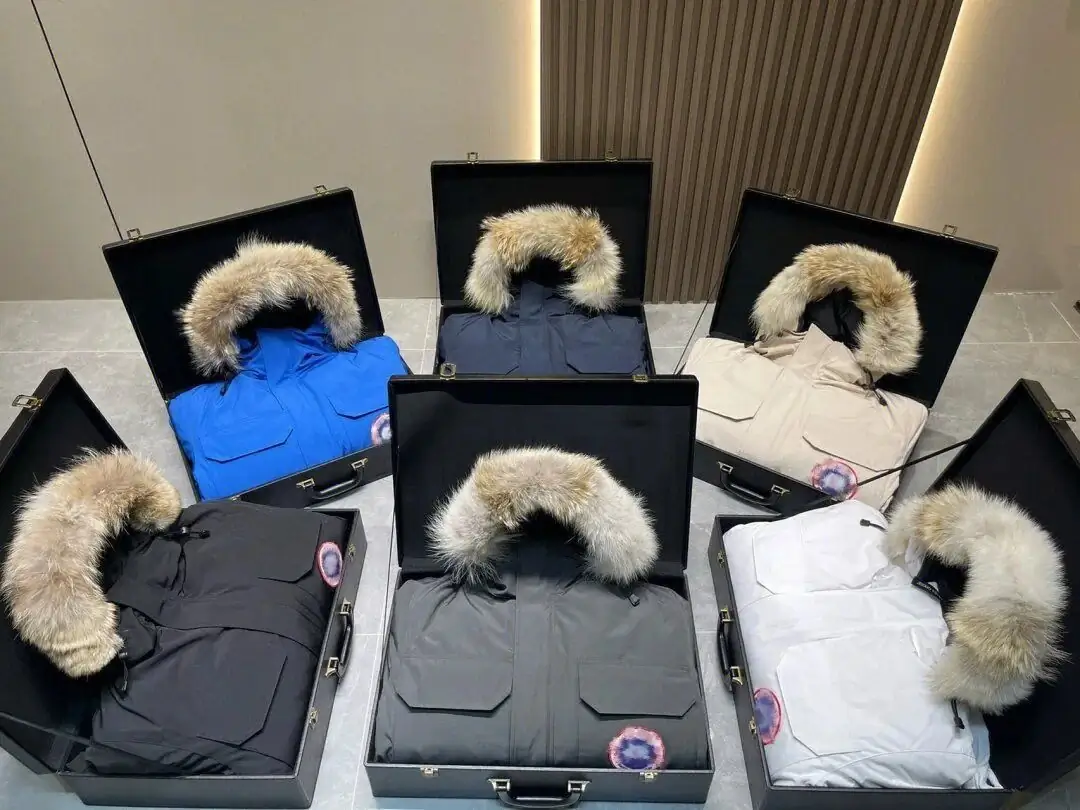
This mid-length unisex parka is engineered for harsh winter conditions down to -30°C, featuring premium 85% white duck down with 600+ fill power for e…
View Product →
Now, onto cleaning and storing it right.
For the long haul, here’s a big rule: skip the regular laundry soap and fabric softener. They can actually break down the DWR and gunk up the waterproof membrane. Always check the tag for instructions.
When you’re storing it, don’t just cram it into its little sack for months. Hang it up in a dry closet with some air flow. This keeps the insulation fluffy and warm.
If you have a fully waterproof puffer, make sure it’s bone-dry before you put it away. This stops mildew from growing on the inside layer. Taking good care of it makes a huge difference in how long it stays water-resistant and warm.
Here’s a quick guide for water-resistant versus waterproof puffers.
| What to Do |
For Water-Resistant Jackets |
For Waterproof Jackets |
| How often to wash |
Just when it gets dirty |
Only when needed, don’t wash it too much |
| What to wash with |
Use a technical cleaner or a mild soap |
Stick with a technical cleaner made for membranes |
| Reapplying the DWR |
You’ll need to do this after a few washes |
The outer fabric needs it, not the waterproof layer itself |
| How to dry it |
Tumble dry on low heat to bring the DWR back |
Tumble dry on low (this often helps the membrane work properly again) |
| Storing it |
Hang it up, don’t squish it |
Hang it up, and make sure it’s totally dry |
Choosing the Right Jacket for Your Needs
Matching Jacket Type to Climate and Activity
First, think about what you’ll actually be doing. Your daily life tells you what kind of jacket you really need. If you’re just commuting in the city and get caught in the odd shower, a water-resistant down puffer jacket will do the trick.
Plus, it’s usually easier to stuff into a bag. But if you’re hiking, skiing, or walking the dog in places that are always damp or rainy, you’re better off investing in a waterproof puffer. Look for one with synthetic insulation.
Another smart move is layering. You can throw a waterproof shell over a regular down jacket. That way, you get really flexible protection. People’s reviews really drive this home.
Folks who bought just a water-resistant puffer for soggy Pacific Northwest winters often ended up wishing they hadn’t. On the flip side, everyone who went for a fully waterproof jacket in that same weather couldn’t stop talking about how reliable it was.
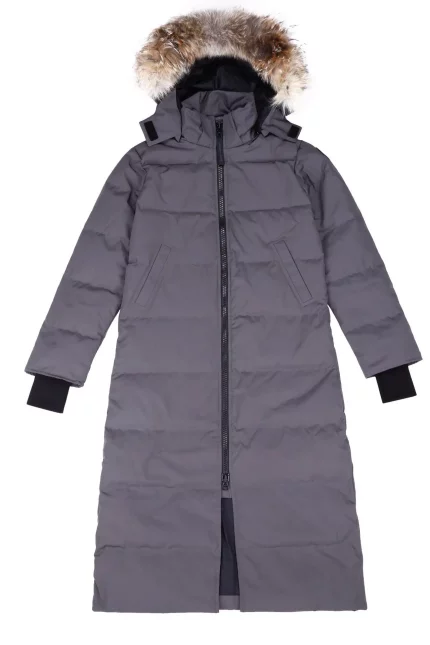
This graphite grey mid-length parka is engineered for harsh winter conditions down to -30°C, featuring premium 85% white duck down with 600+ fill powe…
View Product →
Warranty and After-Sales Support
Now, let’s talk about warranties. A good warranty is basically the brand putting its money where its mouth is about being waterproof. Top brands like Arc’teryx, Patagonia, and The North Face usually have lifetime warranties.
These cover things like if the waterproof material itself fails or the seam tape comes apart. Their repair services are also a huge bonus. Always check the fine print of the warranty.
Some policies will even cover delamination, which is when that waterproof inner layer starts to peel away. Solid after-sales support, with clear rules on repairs and returns, is a sign of a quality jacket. It’s how you protect your investment if there’s a factory defect in the weatherproofing.
This graphite grey with black label mid-length parka is engineered for severe arctic conditions down to -30°C, featuring 85% white duck down with 600+…
View Product →
Conclusion and Final Verdict
Alright, let’s get straight to it: are puffer jackets actually waterproof, or are they just water-resistant? The real answer?
Well, it totally depends on which jacket you’re talking about. Most of them are water-resistant. They use this DWR coating, but here’s the thing – you’ve gotta take care of it for it to keep working.
You can find truly waterproof puffers, but they’re a special breed. Look for stuff like technical membranes, seams that are fully taped, and high waterproof ratings (you know, those mm numbers).
So, which one you pick really comes down to the weather you usually face and what you’ll be doing in it. Just don’t think your everyday puffer can pull double duty as a raincoat.
But, if you get one with the right features and look after it properly, you can definitely find a puffer that’ll handle some seriously rainy days.
This navy blue mid-length parka delivers serious protection for arctic conditions down to -30°C, featuring 85% white duck down with 600+ fill power fo…
View Product →
Looking for your ideal puffer jacket?
Tell us about your wins or rainy-day fails with puffer jackets down in the comments! Want to know more? Check out our rundown of this season’s top 5 waterproof insulated jackets. It’ll help you pick the right one.
This cream white mid-length parka provides serious arctic protection for temperatures down to -30°C, featuring 85% white duck down with 600+ fill powe…
View Product →
FAQ: Puffer Jacket Waterproofing
So, you’re wondering if a water-resistant puffer jacket can turn waterproof?
The short answer is no. You can’t take a jacket that’s just water-resistant and make it completely waterproof. Sure, you can refresh its DWR coating so light rain beads up better.
But if it’s missing a waterproof membrane and taped seams, forget about it holding up in a real downpour. Think of it like this: you’re giving it a better shield, not building an impenetrable fortress.
Want to test your puffer jacket’s waterproofing at home?
Here’s a simple trick: stretch a bit of the fabric tight and run a slow stream of tap water over it for a couple minutes. Then, check the inside to see if it’s wet. For the seams, just run water directly along them.
But hey, this isn’t the same as a fancy lab test. The best way to know for sure? Check the jacket’s original specs for its hydrostatic head rating.
What’s better in wet weather: down or synthetic insulation?
Synthetic fill wins hands down when things get damp or wet. Stuff like PrimaLoft is made to keep over 90% of its warmth even if it’s soaked. Down, on the other hand, gets flat and loses its heat when it’s damp.
So, if you want a waterproof puffer for active stuff in unpredictable weather, synthetic is the smart, high-performance pick.
Do waterproof puffer jackets always have taped seams?
Yep, they absolutely should. Taped seams are a must for any jacket calling itself waterproof. Those little stitch holes? They’re like tiny highways for water to get in.
That’s why good quality control means taping every single seam to block those holes. If you see exposed stitching on the inside of a so-called waterproof jacket, you should really doubt that claim.