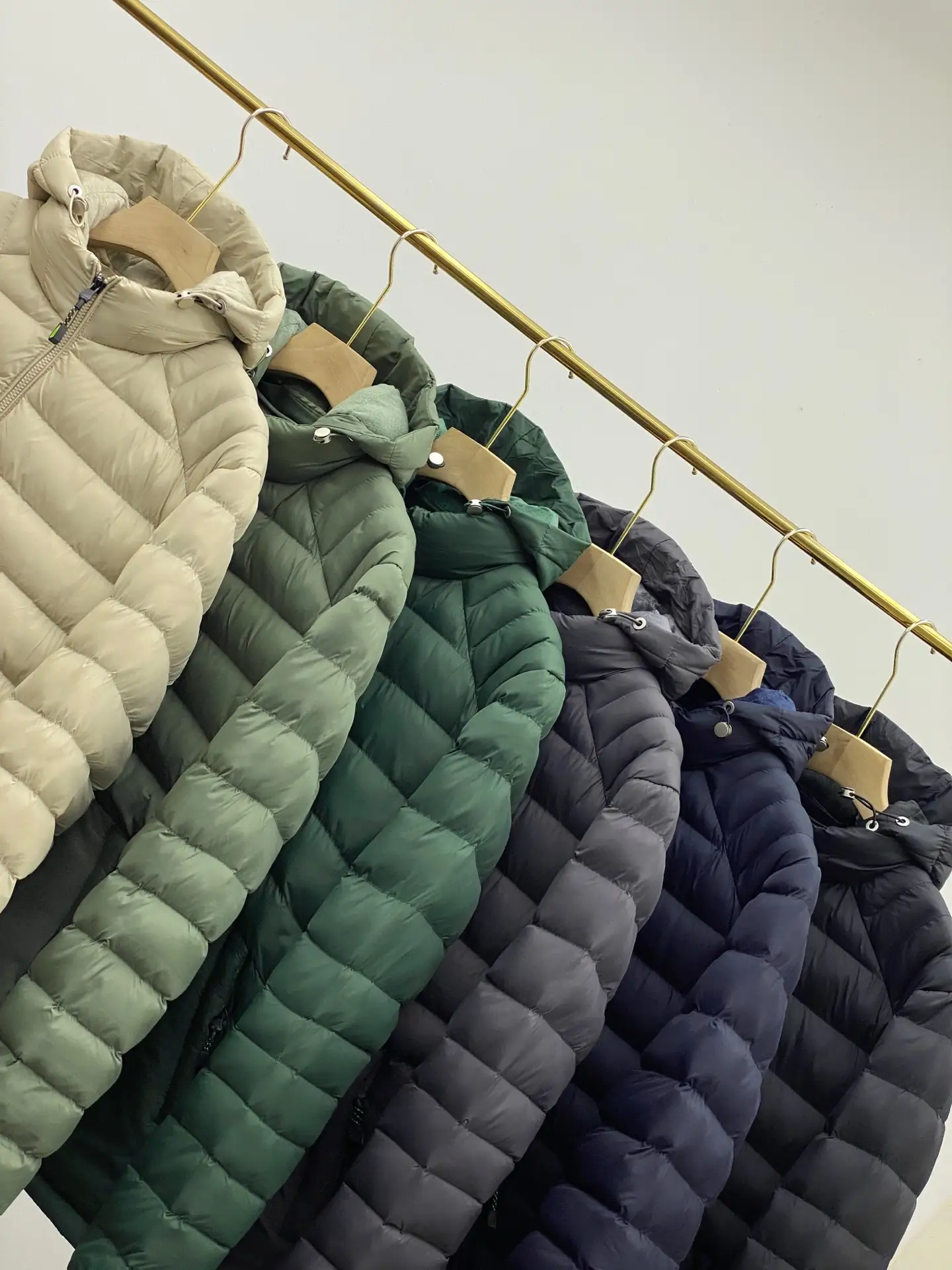
Which Packable Down Jacket Is Best for Hiking?
Picking the perfect lightweight down jacket for hiking? It can be a real headache with all those technical specs flying at you like a blizzard. You want that sweet spot: a jacket that’s super warm but light, packs down small so it doesn’t take over your backpack, and is tough enough for the trail. This guide skips the jargon and gets straight to helping you find the best packable down for hiking. We’ll focus on what really counts out on the trail—stuff like fill power, fabric tech, weather resistance, and handy features. We’ll also stack up the top jackets against each other, so your next gear buy is a trusty friend that’ll keep you warm.
Table of Content
- Decoding Down Jacket Specifications for Hikers
- Weather Resistance and Down Alternatives
- Top Contenders and Performance Scenarios
- Conclusion and Final Recommendations
- Call to Action (CTA):
- FAQ: Lightweight Packable Down Jackets for Hiking
Let’s break down what those down jacket specs really mean for us hikers.
First up, let’s get our heads around fill power and fill weight.
Here’s the key thing: a higher fill power number doesn’t always mean a warmer jacket, so don’t get fooled. Fill power, or FP, is all about how fluffy the down is. It tells you how much space one ounce of down can puff up to fill.
So, a higher FP, like 800-fill, means the down lofts better. You can use less of it to get just as warm, which makes the jacket lighter and packs down smaller.
For hiking in spring, summer, and fall, down in the 650 to 800 fill power range is your sweet spot. It gives you great performance without breaking the bank.
But remember, total warmth comes from two things: the fill power *and* how much down is actually stuffed in there, which is the fill weight. A jacket with 3 ounces of 800-fill down is usually gonna be toastier than one with just 2 ounces of 900-fill.
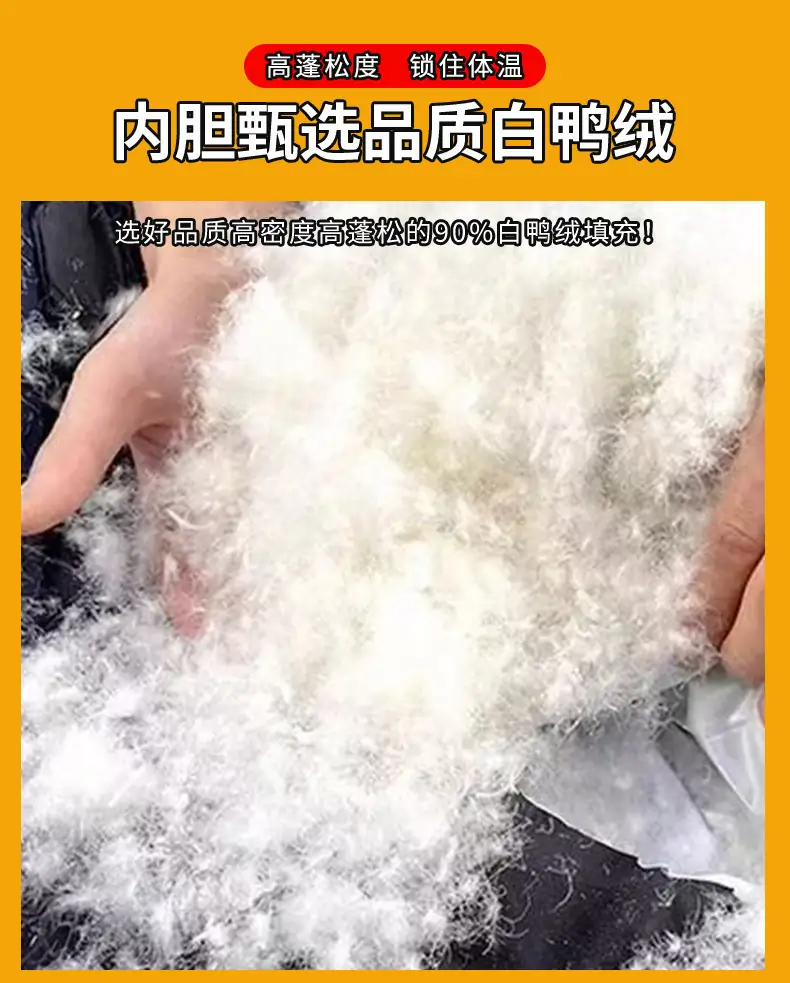
Next, you gotta check the down type and where it comes from. Down and feathers are totally different things. The good stuff uses mostly down clusters—those super fluffy bits under the feathers—not the hard feathers themselves.
Look for a ratio like 90/10 or 80/20. The first number is the down percentage, and higher is better. And it’s really important to think about where that down comes from. Try to find jackets with the Responsible Down Standard (RDS) label.
It means the down was sourced ethically, without harming the birds. Choosing ethical down doesn’t mean you lose any warmth. It just lets you feel good about your gear choice too.
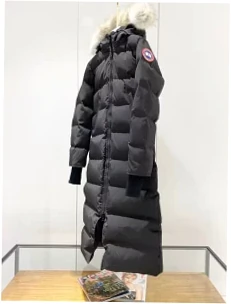
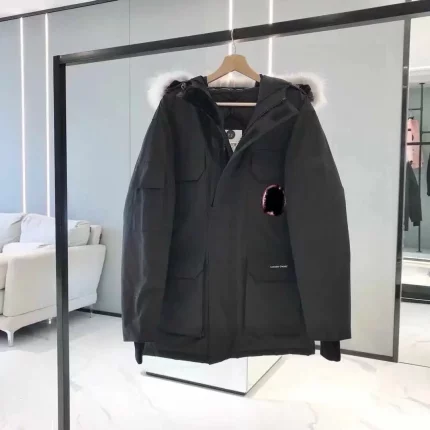
Engineered for light-cold conditions down to -5°C, this parka features 550 Fill Power white duck down, offering exceptional thermal efficiency and lof…
View Product →
Now, let’s talk about the fabric and how the jacket’s made—this is your first line of defense.
You need to look at the face fabric’s denier (D) and its DWR treatment. This thin shell fabric is what protects all that precious down inside. For the best lightweight packable down jackets, you’ll usually see 10D to 20D fabric.
It’s super light but still reasonably tough. But if you’re often bushwhacking or wearing a heavy pack, maybe go for a 30D fabric on the shoulders. It’s a bit tougher where it counts. The DWR finish is just as key.
This coating makes water bead up and roll right off the jacket. It’s not fully waterproof, but it stops the outer fabric from getting soaked. If that happens, the down gets flattened and loses all its warmth. Just know, this finish doesn’t last forever. You’ll need to reapply it every so often.
Also, check out the baffle construction to avoid cold spots. How they sew the down in makes a huge difference in how warm you stay. Sewn-through baffles are the lightest and pack down the smallest.
But the stitching creates thin lines where there’s hardly any insulation. Box baffles or vertical baffles make little 3D chambers that hold more down and get rid of those cold seams.
They’re warmer for the weight, but they can be a bit bulkier and pricier. If you’re doing serious alpine climbs or winter hikes, box baffles are totally worth the extra cash. For most three-season hiking, a well-made sewn-through jacket will do the job just fine.
So, how do you balance weight, packability, and durability on the trail?
This high-quality replica parka utilizes 550 Fill Power white duck down with 81-85% down cluster content, providing effective thermal insulation for l…
View Product →
It’s all about the trade-off between going ultralight and having something that lasts.
Think about your usual hike. You can find amazing jackets under 10 ounces—real engineering marvels. But the fabric on these, like 7D or 10D, can feel scarily thin and fragile.
Ask yourself: Is this mostly for wearing around camp and as a backup in my pack? Or will I be actively hiking in it on windy ridges? For fast summer trips where the jacket stays packed most of the time, ultralight is the way to go.
For fall/spring hikes, scrambling, or bushwhacking where the jacket gets more abuse, adding an ounce or two for a tougher 20D or 30D fabric is a smart move. It keeps one little snag from wrecking your jacket.
Also, test how small it actually packs down. The packed size matters just as much as the weight. The best ones stuff right into their own pocket, making a neat little bundle. When you’re comparing, don’t just go by the numbers.
Picture that bundle actually fitting in your backpack. Will it slide into a tight side pocket or the top of your pack easily? From my experience, a jacket that’s a tad heavier but packs to grapefruit-size is often more useful than a super light one that packs to softball-size. It just leaves more room for your food and other gear when your pack is full.
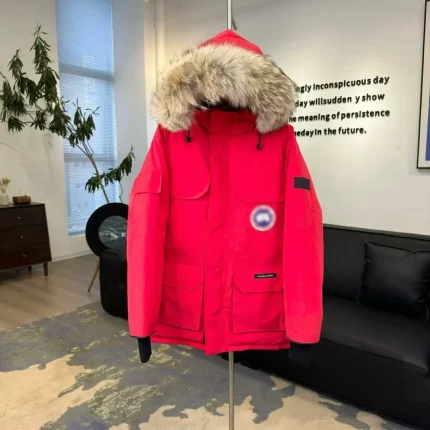
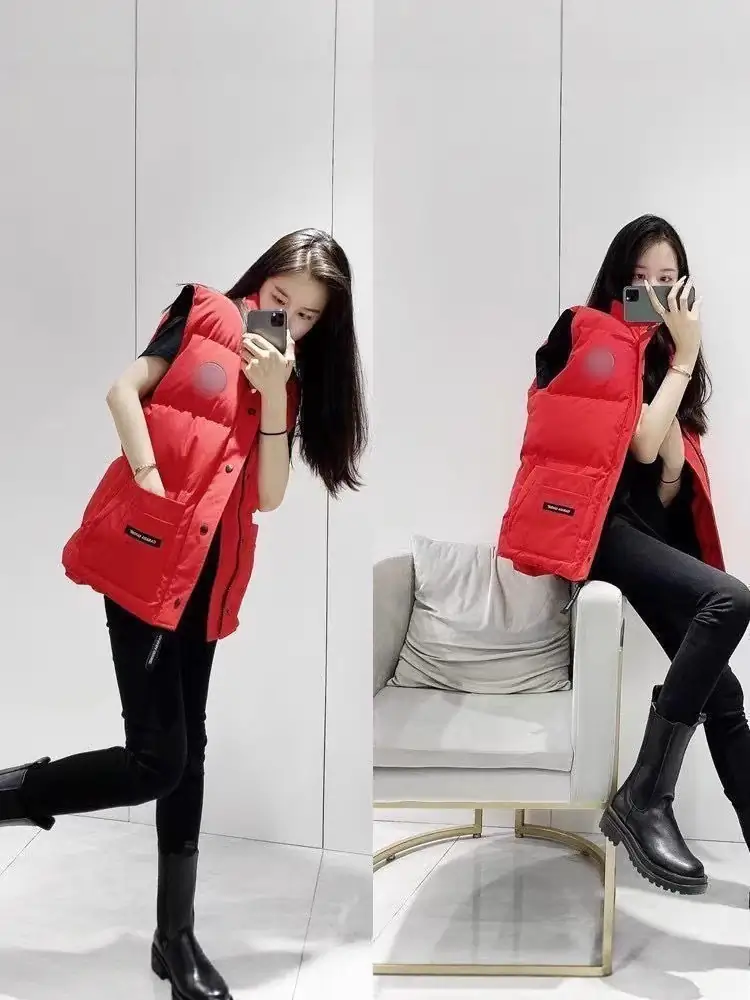
This striking red parka is equipped with 550 Fill Power white duck down, offering efficient thermal regulation for light-cold conditions down to -5°C.
View Product →
Let’s talk about weather resistance and alternatives to down.
First up, managing moisture—here’s the downside of down.
Here’s the most important thing to know: down insulation doesn’t work well when it gets wet. The fluffy clusters clump up, so they lose their puffiness and can’t keep you warm.
So, if you’re hiking somewhere that’s often damp, humid, or rainy—like the Pacific Northwest or the Scottish Highlands—a regular down jacket probably isn’t your best bet for main insulation.
If you really want to use down there, you absolutely need a tough waterproof shell jacket over it. Your plan has to be to protect it carefully. That means throwing on your shell jacket at the first hint of rain or mist to keep that expensive down dry. Never, ever count on a down jacket to keep the rain off.
Next, think about treated down and high-tech synthetics. To fight moisture, lots of brands now treat their down with a water-resistant coating, like DownTek or Nikwax Hydrophobic Down. This helps the down soak up less water and dry quicker.
But it’s not a perfect fix. It’s better in high humidity or a light drizzle, but it’ll still let you down in a heavy, long rain. For seriously wet weather.
a jacket with synthetic insulation—like PrimaLoft Gold or Climashield Apex—is usually the safer pick. Synthetic might be a bit heavier and not pack down as small for the same warmth level.
But the big win is it keeps you much warmer when it’s wet and dries super fast. So your choice really depends on the weather you expect. Dry cold? Go for down. Wet cold? Go synthetic, or maybe treated down as a middle-ground option.
Here’s a quick comparison of down vs. synthetic for hiking.
| Feature |
Down Insulation |
Synthetic Insulation |
| Warmth-to-Weight (Dry) |
Excellent |
Good |
| Packability |
Excellent |
Fair to Good |
| Warmth When Wet |
Poor (Loses most loft) |
Good (Retains significant warmth) |
| Drying Speed |
Slow |
Fast |
| Durability Lifespan |
Very Long (with care) |
Moderate (Can lose loft over time) |
| Best For |
Dry cold, weight-conscious packing, static warmth |
Humid/wet conditions, active use in variable weather |
Now, let’s look at the essential fit and features you need on the trail.
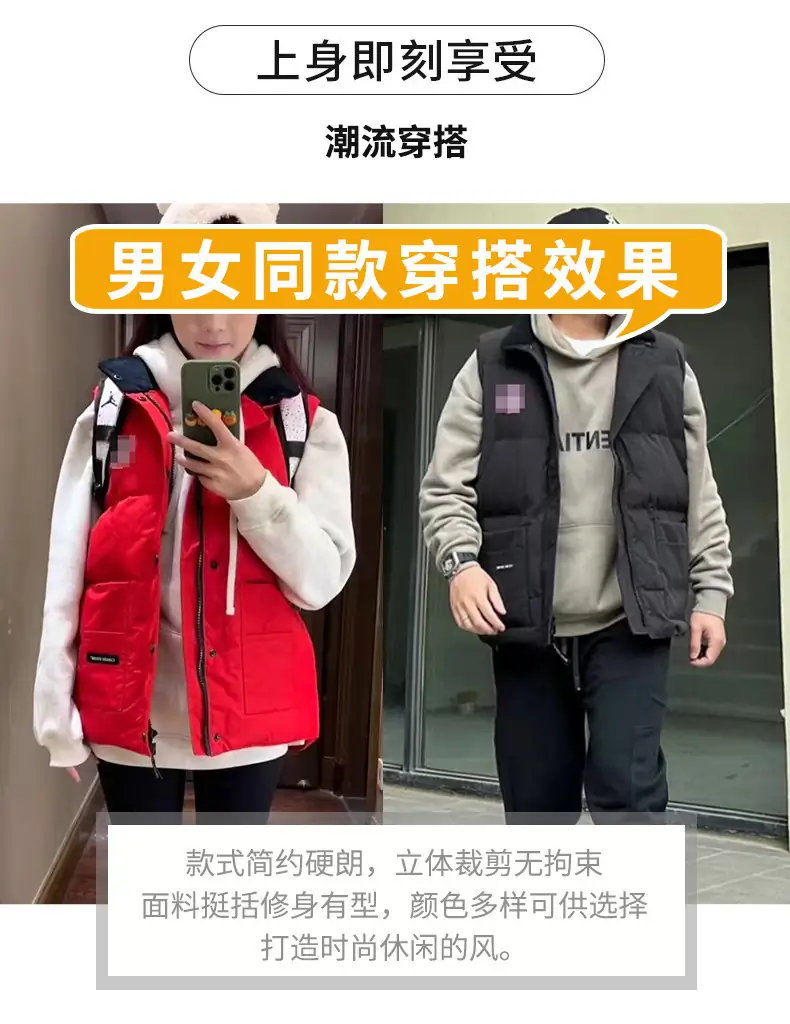
This high-quality replica down vest is insulated with premium white duck down boasting a high 86-90% down cluster content, providing exceptional warmt…
View Product →
It’s the design details that really matter.
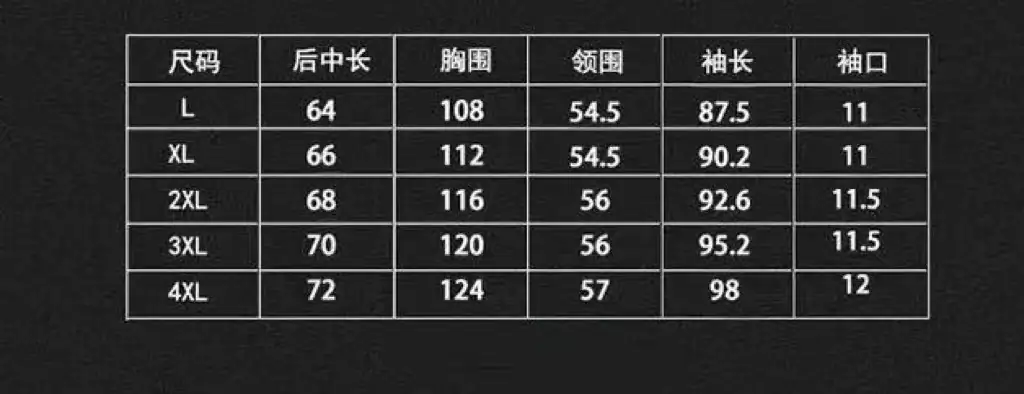
First, find a fit that’s tailored but not tight. Your hiking down jacket shouldn’t feel like a fancy blazer or a sloppy sweatshirt. You need enough space inside to layer a base layer and a mid-layer fleece without squashing the down flat.
Check the shoulder and arm movement carefully. Lift your arms like you’re using trekking poles to make sure nothing feels tight or restrictive. The bottom should be long enough to cover your lower back.
even when you’re leaning forward with your backpack’s hip belt fastened. Lots of hiking-specific jackets have a slightly longer back and elastic or drawcords at the bottom to block drafts. It’s a simple feature, but it makes a huge difference when it’s windy.
Next, check out the pockets and hood. Pockets aren’t just for warming your hands. Zippered chest pockets are way better than lower hand pockets. You can actually reach them over your backpack’s hip belt or a climbing harness.
See if the pockets have a mesh lining. That lets you use them to vent some heat while you’re hiking. For serious hiking, a good hood is a must-have. It should be insulated, adjustable.
and roomy enough to go over a beanie or cap without blocking your side view. A stiff brim is a nice bonus—it helps keep light rain or snow out of your face.
And don’t forget about handy extras, like an internal pocket to stuff the jacket into, or a loop for clipping the packed jacket to your backpack.
This versatile grey down vest features a substantial 201-300g fill of high-grade white duck down with 86-90% down cluster purity, delivering exception…
View Product →
Alright, let’s talk about the top jackets and when they really shine.
Here are the leaders in different categories and what they’re best for.
The key is to match the jacket to how you hike. There’s no one best jacket for everyone, just the best one for what you do. If you’re an ultralight purist on good trails, the Montbell Plasma 1000 is the king of saving weight.
Just know it’s pricey and the fabric is super light, so it’s a bit delicate. For most three-season hikers who want something tough, the Patagonia Down Sweater Hoody is a classic.
It’s got reliable 800-fill down, a durable 20D shell, and all the handy features you need. Hiking in damp places a lot? You’ll want moisture resistance. The Arc’teryx Cerium LT mixes down with synthetic insulation in key spots. Or, go fully synthetic with something like the Patagonia Nano Puff.
Let’s break down how some top lightweight down jackets perform.
| Jacket (Example) |
Fill Power Weight |
Why Hikers Like It |
Best For |
| Montbell Plasma 1000 |
1000-fill, about 6.5 ounces |
Packs down incredibly small, uses a super light 7D fabric. |
Perfect for ultralight summer trips or throwing on at camp. |
| Patagonia Down Sweater Hoody |
800-fill RDS down, around 12.3 ounces. |
Tough 20D outer fabric, a good adjustable hood, and ethically sourced down. |
A super versatile pick for three-season hiking and everyday outdoor stuff. |
| Arc’teryx Cerium LT Hoody |
850-fill down, with synthetic insulation in some panels. |
Uses Down Composite Mapping to place synthetic where you sweat, with light, tough fabrics. |
Great for cold weather, from dry to a bit damp, and alpine environments. |
| Mountain Hardwear Ghost Whisperer/2 |
800-fill, about 7.8 ounces. |
A classic, well-balanced jacket. The down is treated for moisture, and it has a clean, simple design. |
Ideal for fastpacking or any hiker who’s really watching their pack weight. |
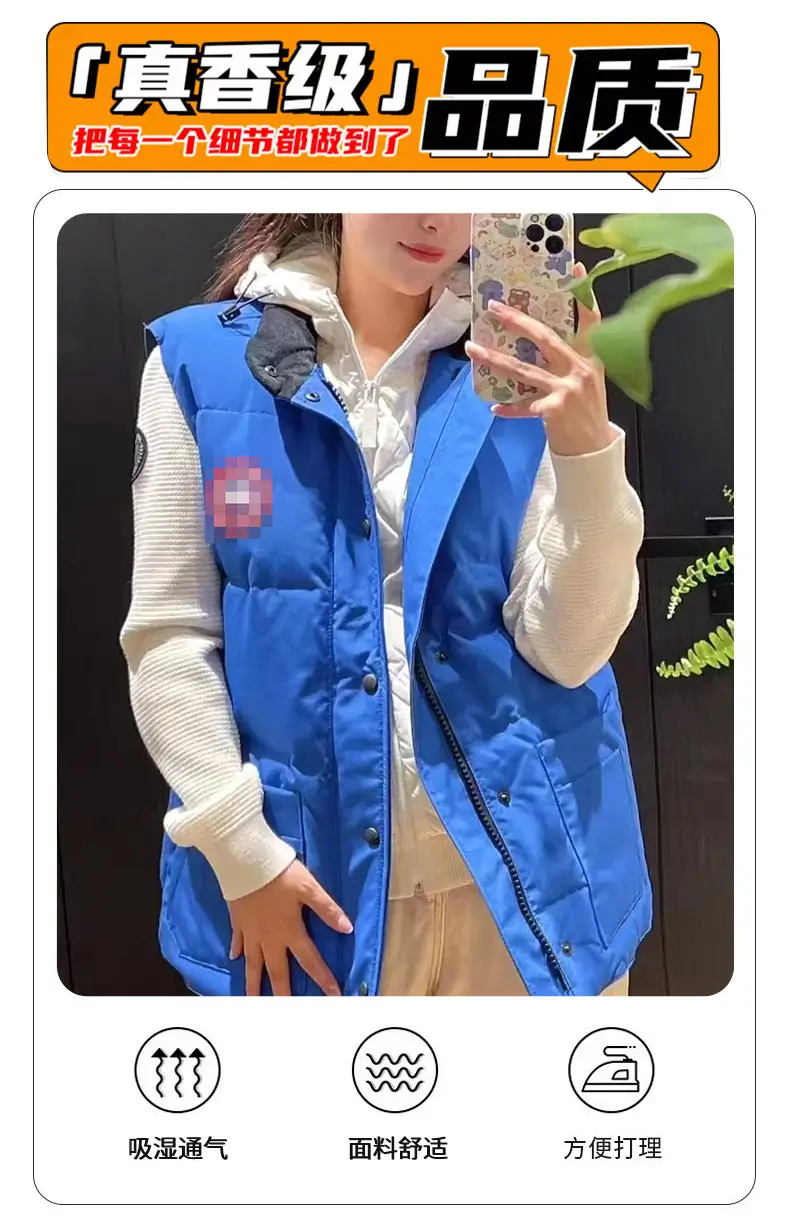
This sky blue replica vest features 240g of premium 90% white duck down fill, engineered to provide exceptional thermal efficiency with balanced loft …
View Product →
Time to make your final choice. Here’s a personal checklist.
Here’s a pro tip: make a weighted decision matrix. First, list your top 3 to 5 jackets. Next, figure out what matters most to you. Maybe weight is 30% important, packability is 25%, weather resistance 20%, durability 15%, and price 10%.
Give each jacket a score from 1 to 5 for each category. Multiply that by the importance percentage, then add up all the scores. This number-crunching often shows you the real winner for your needs, cutting right through all the advertising talk.
Don’t forget to check real-world reviews too! Look at trusted gear review sites and what other hikers say online. A jacket can look perfect on paper but have a common problem, like a zipper that breaks or down that leaks out.
One more key thing: take care of your jacket. You spent good money on it, so protect that investment. Always store it hanging up or in a big, breathable bag. Don’t leave it squished in its stuff sack for months, that ruins the loft forever.
Wash it now and then with a down-specific soap in a front-loader on gentle. Dry it completely on low heat, and toss in a few tennis balls to fluff it up and break apart clumps.
When water stops beading up on the outside, it’s time to reapply the water repellent treatment, either by spraying it or washing it in. Take care of it right, and your best lightweight packable down for hiking can keep you warm and happy for ten years or longer.
Crafted for optimal warmth-to-weight ratio, this high-visibility replica vest utilizes 270g of 90% white duck down, providing superior loft and therma…
View Product →
Conclusion and Final Recommendations
Picking the best lightweight packable down for hiking? It’s really personal.
You’ve gotta balance warmth, weight, weather resistance, and durability with how you hike and your local weather. No single jacket is perfect for everyone.
But if you focus on the key specs—like fill power, fabric denier, how it’s made, and handy features—you can make a smart pick. That jacket will keep you warm mile after mile.
Just remember this: the best lightweight packable down jacket is the one you actually have in your pack. You’ll be glad you brought it when the wind picks up on a far-off ridge.
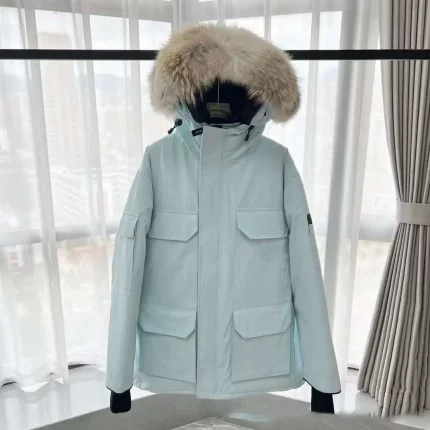
This entry-level down jacket offers a practical solution for light winter, filled with 550-fill-power white duck down. It reliably provides warmth in …
View Product →
Call to Action (CTA):
So, have you found that perfect hiking puffer jacket yet? Tell us your favorite one and how it held up on the trail in the comments.
Or, if you’re planning a wet-weather hike, check out our breakdown of the best hydrophobic down tech to stay warm and dry.
This high-quality replica vest delivers authentic thermal performance with 280g of premium 90% white duck down,
View Product →
FAQ: Lightweight Packable Down Jackets for Hiking
So, you’re looking for the warmest lightweight down jacket to take hiking?
The warmest jacket combines high fill power (800 ), a substantial fill weight (total ounces of down), and efficient construction like box baffles. Take jackets like the Feathered Friends Eos or the Montbell Frost Line.
They’re built for really cold weather but still pack down small. Just remember, warmth often comes with weight. Sure, there are super warm expedition parkas, but they’re heavy and bulky—not great for actually hiking in.
This entry-level down jacket is a practical and less expensive option for cool weather, filled with 550-fill-power white duck down.
View Product →
What about wearing your down jacket while hiking in the rain?
Honestly, it’s not a good idea to hike hard in a down jacket when it’s raining. The problem is, down loses all its puff and warmth once it gets wet. If rain’s in the forecast, throw a waterproof shell over your down jacket.
Or, better yet for wet weather, start with a synthetic insulated jacket—it handles moisture much better. Your down jacket really shines in dry cold, at camp, or as a backup layer you keep dry in your pack.
Trying to decide between 650-fill and 800-fill down?
Go with 650-fill if you want better value and a tougher, though sometimes heavier, fabric. It’s a solid, reliable choice for everyday adventures. Pick 800-fill or higher if your main goals are getting the most warmth for the least weight and the tiniest pack size, and you don’t mind spending a bit more. For most serious hikers, 800-fill hits that perfect sweet spot for performance.
Are these packable down jackets tough enough for backpacking trips?
Absolutely, as long as you pick the right one. Look for jackets that use at least a 20-denier fabric on the outside, particularly on spots that get a lot of wear like the shoulders.
You might want to skip the super ultralight 7D or 10D models if you’re often bushwhacking or hauling a heavy pack. Take good care of it—keep it away from sharp branches and don’t store it squished—and a good down jacket will last you for thousands of miles on the trail.