Will Snow Ruin Your Down Jacket’s Warmth?
Getting ready for a snowy winter adventure? The weather report says snow’s on the way. You grab your go-to puffer jacket, that fluffy feather cloud, but then you start wondering: can a down jacket actually handle getting wet in the snow? That’s a really important question for anyone who depends on their warm coat in cold, wet weather. The quick answer is yes, snow can mess with your down’s fluffiness and how well it keeps you warm. But there’s more to it. You gotta understand the jacket’s fabric, how to take care of it, and why wet down totally kills the warmth. Let’s get into the nitty-gritty so you can stay warm and dry out there.
Table of Content
- Understanding Down Insulation and Moisture
- Fabric Technology: Your First Line of Defense
- Practical Care in Snowy Conditions
- Down vs. Synthetic: A Snowy Weather Showdown
- Choosing the Right Jacket for Snowy Adventures
- Conclusion and Final Verdict
- FAQ: Down Jackets and Snow
Let’s talk about how down insulation handles moisture.
Here’s how down keeps you warm, and why getting it wet is a big problem.
The main idea is this: down, that soft fluff from ducks or geese, works by creating loft. Every little filament traps air, which holds your body heat and acts like your own personal warmth shield.
This setup works great when it’s dry, but falls apart completely once it gets wet. Moisture makes the filaments stick together in clumps. This kills the loft and wipes out all those important insulating air pockets. You end up with a jacket that’s wet, heavy, and cold—basically no good until you dry it out.
Think of it like this: picture a house with perfect insulation, and then you flood it. The insulation gets waterlogged, sags down, and loses all its ability to keep heat in. Well, that’s precisely what goes on inside your down jacket.
Research shows a wet down jacket can lose more than 70% of its ability to keep you warm. It’s not just about feeling damp. The insulation itself stops working, leaving you exposed to the cold. A basic waterproof shell wouldn’t fail you like that.
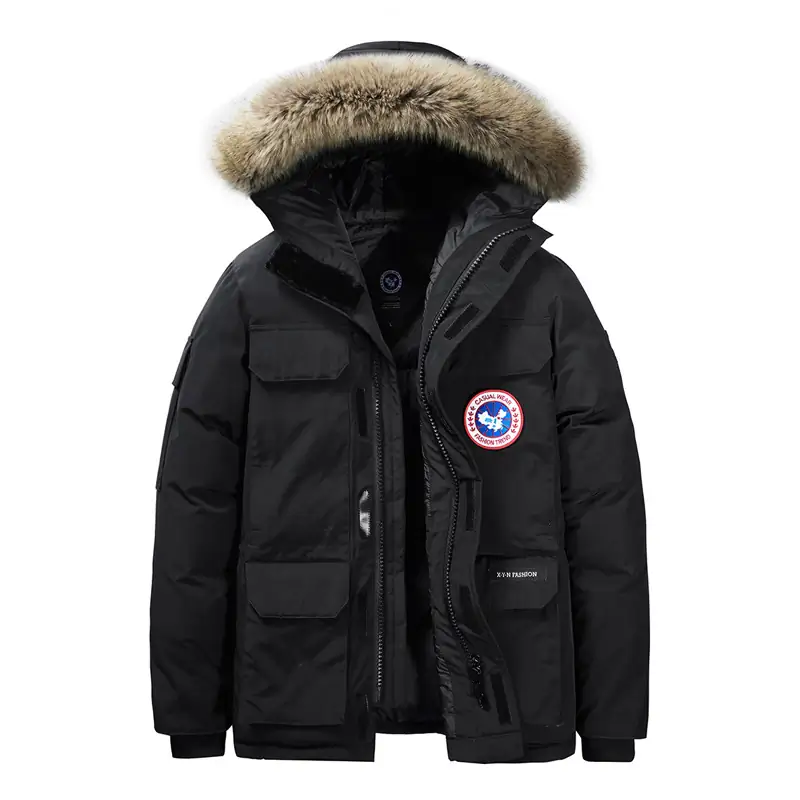
Engineered for light-cold conditions down to -5°C, this parka features 550 Fill Power white duck down, offering exceptional thermal efficiency and lof…
View Product →
Snow vs. Rain: What’s worse for your down jacket?
Here’s the key thing: different kinds of wetness affect your jacket differently. Dry, fluffy snow isn’t as big a worry right away compared to rain or wet, sloppy snow. The real trouble starts not with the snow itself, but when it melts into water.
Snow lands on your jacket, your body heat warms the surface, and the snow turns to water. That water can then soak through the outer fabric. More often, it sneaks in through seams, zippers, or the fabric itself if the jacket’s water-repellent coating (called DWR) isn’t doing its job.
So, your best protection is the jacket’s outer shell. A good shell with a strong DWR coating makes snow and light moisture bead up and roll right off. This buys you time.
But in a heavy snowstorm, if you’re out for a long time, or if you’re working up a sweat, the shell can get overwhelmed. That’s when you risk the down inside getting wet. Always give your jacket’s water-repellent coating a quick check before you go out in the snow.
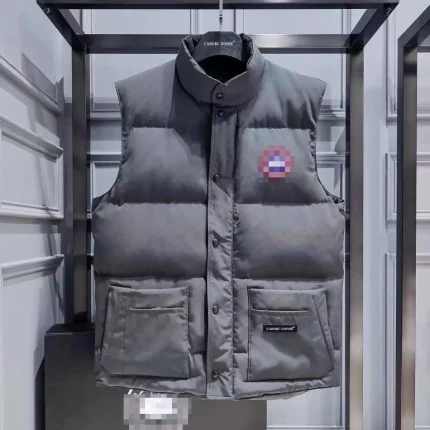
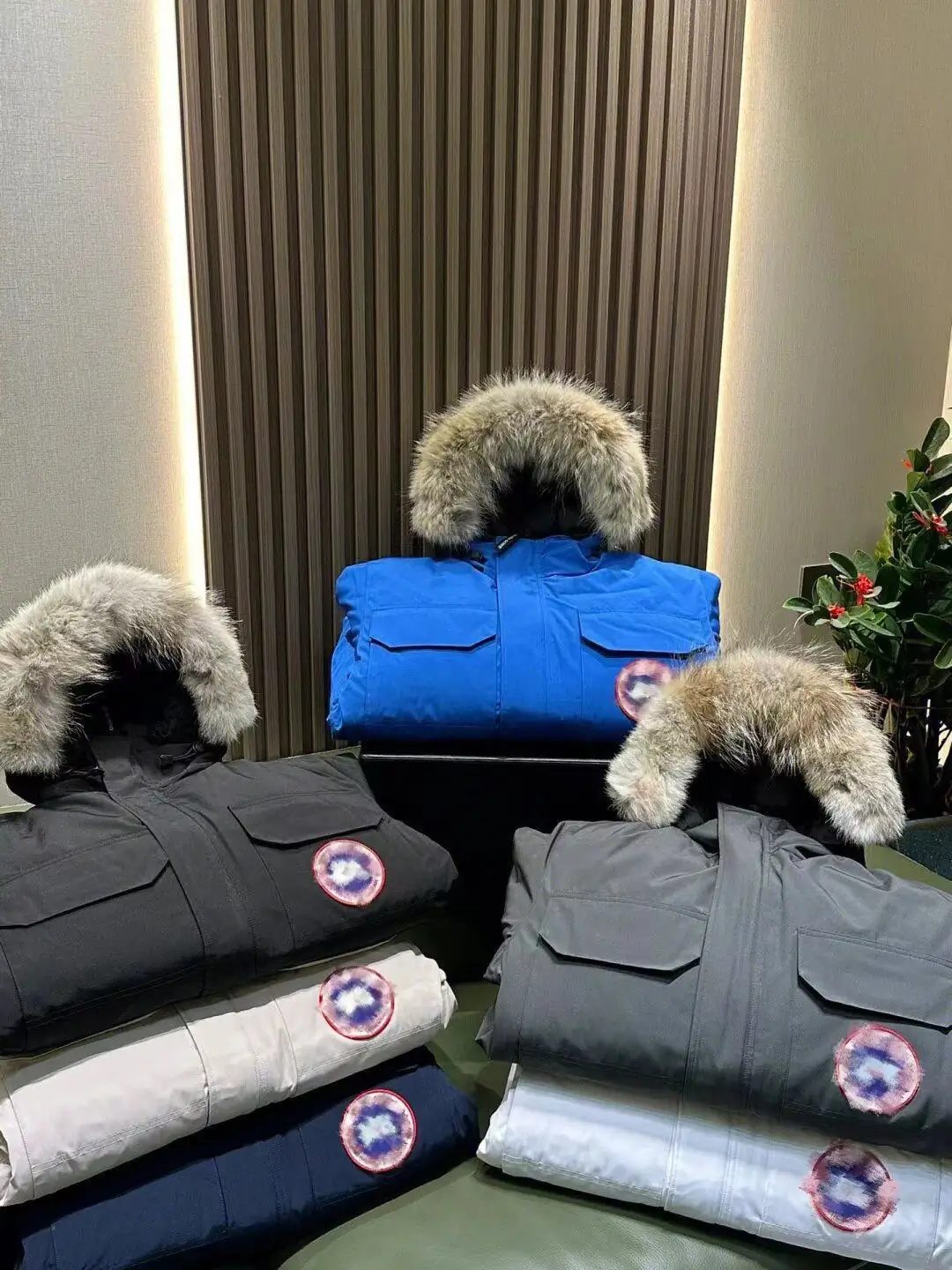
This high-quality replica vest utilizes 700-fill power white duck down to deliver a superior warmth-to-weight ratio
View Product →
Let’s talk about fabric tech first—it’s your main defense.
First up, DWR finishes and water-resistant shells.
The key protection is the DWR finish. It’s basically a chemical coating they put on the outside of the jacket. This doesn’t make the jacket fully waterproof, just really water-resistant. You’ll see water bead up and roll right off.
That beading action is your first and biggest defense against melting snow. But that DWR coating doesn’t last forever. Rubbing against stuff, getting dirty, and washing it all wear it down.
The good news is you can bring it back to life. Just toss the jacket in a dryer on low heat or use a special spray-on re-proofer.
The shell fabric itself is also super important, not just the DWR. Good down jackets usually have a shell made from tightly woven nylon or polyester. A high thread count helps block wind and keeps water out longer.
Some fancier jackets go a step further. They use built-in membranes, like Pertex Shield. These give you better water resistance but still let your body breathe, which is a huge plus when you’re out in the snow.
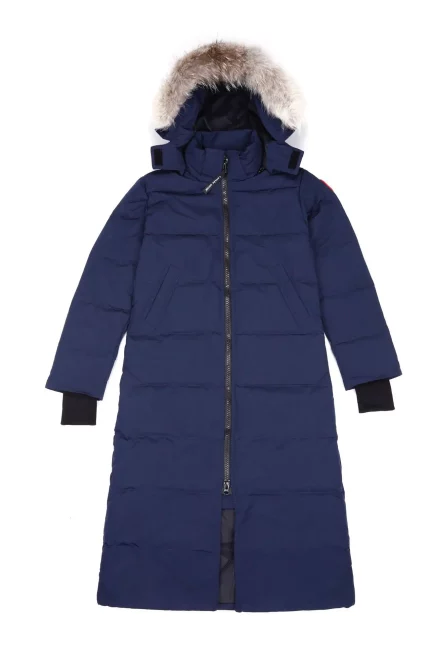
This mid-length unisex parka is engineered for harsh winter conditions down to -30°C, featuring premium 85% white duck down with 600+ fill power for e…
View Product →
Now, what about hydrophobic down? Is it a game-changer?
Here’s the deal with hydrophobic down. It’s a newer thing where they coat each little down cluster with a polymer. That coating makes the down itself repel water instead of soaking it up.
So in real life, if some water does get through the shell, the down inside dries way quicker. It also won’t clump up into a useless, soggy mess as easily. Big suppliers like Allied Feather Down, who work with lots of outdoor brands, have strict tests to certify their hydrophobic down.
So how does it perform, and what are the limits? First off, it does NOT make your jacket waterproof. But it does make your jacket a lot tougher in damp or wet conditions. You can think of it like a safety net.
If you’re in light snow or working up a sweat, where condensation inside the jacket is a risk, hydrophobic down stays fluffy and warm better. But listen, if you’re going to be in pouring rain or heavy.
wet snow for a long time, it’s no replacement for a proper waterproof shell. It’s a fantastic feature for ski jackets, winter hiking gear, or for anyone dealing with changeable, snowy weather.
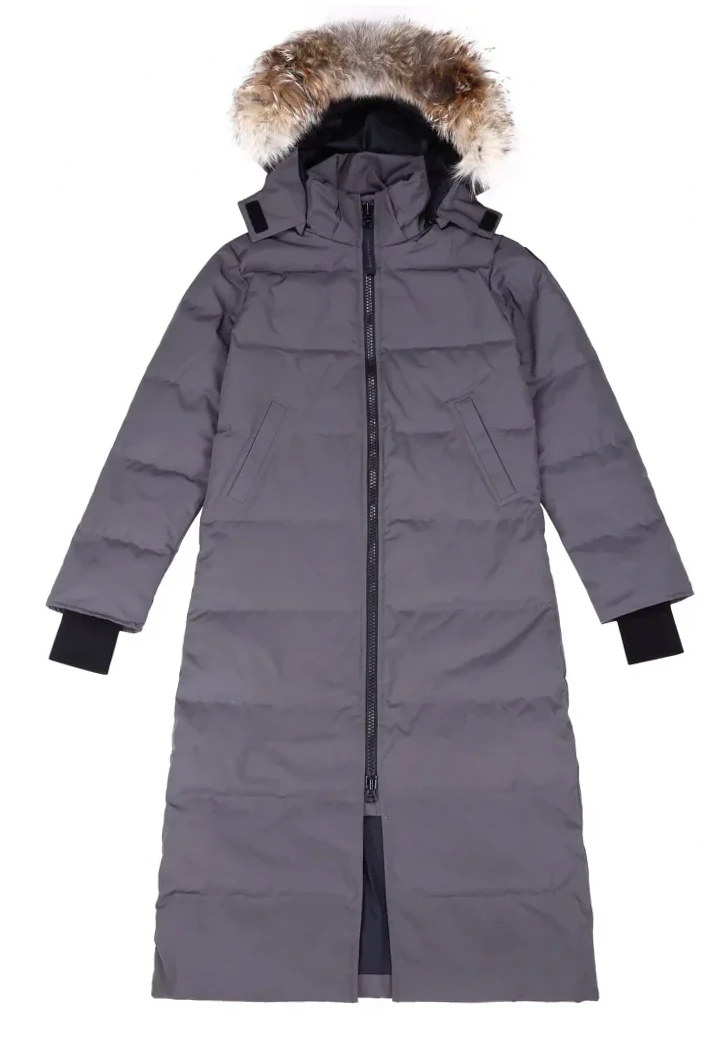
This graphite grey mid-length parka is engineered for harsh winter conditions down to -30°C, featuring premium 85% white duck down with 600+ fill powe…
View Product →
Here’s how to practically care for your down jacket in the snow.
So, your down jacket gets wet in the snow? Here’s what to do.
Act fast if your puffer gets damp from snow. Don’t just stuff it in your backpack or leave it all bunched up—that’s the worst move. First, give it a gentle shake to get rid of the extra wetness.
Then, try to hang it up somewhere warm with good air flow to dry out, but keep it away from direct heat. Steer clear of radiators or super-hot dryers. That kind of direct heat can ruin the delicate down and even melt parts of the jacket.
For a really thorough dry, your best bet is a big tumble dryer on a low heat setting. Just toss in a couple of clean tennis balls or some dryer balls.
They’ll bounce around and break up any clumps of wet down, which helps puff your jacket back up as it dries. You might need to run it through a few cycles. Be patient though. Getting it bone-dry, inside and out, is super important. It stops mildew and gets your jacket working like new again.
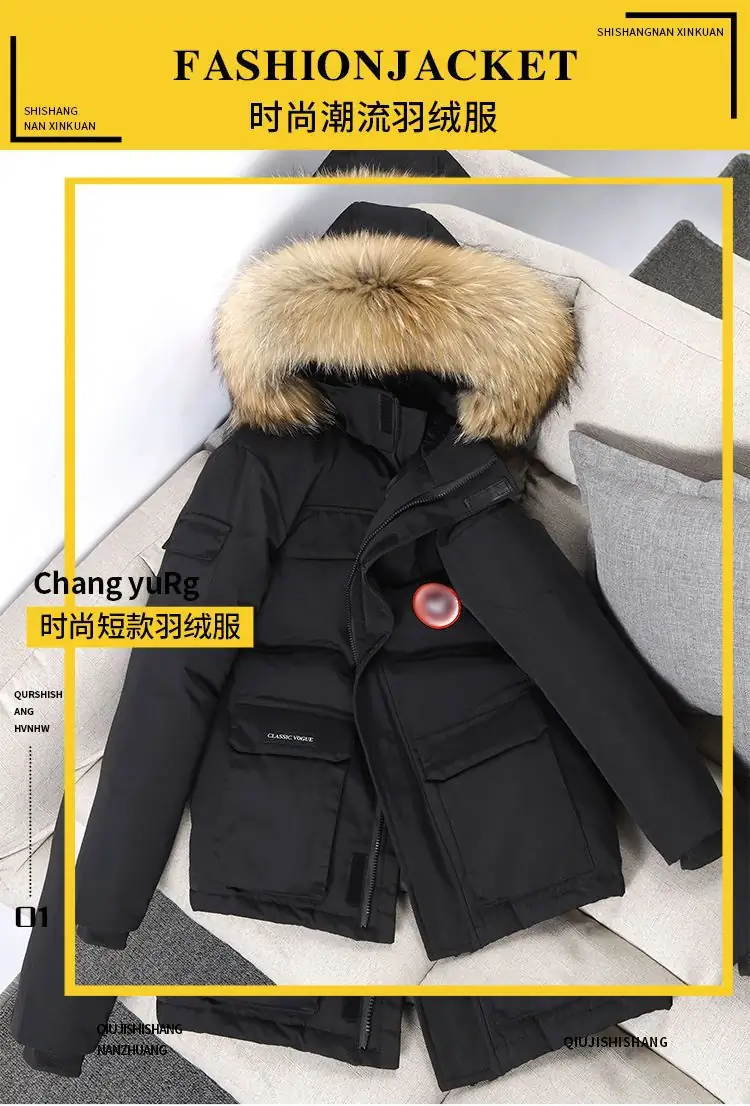
Engineered for harsh conditions, this High-Quality replica parka delivers robust thermal efficiency through dense, high-loft polyester fiberfill.
View Product →
How to stop your down jacket from getting wet in the snow in the first place.
A little prep goes a long way. It’s way easier to prevent a soggy jacket than to fix one. Before you head out, check your jacket’s water repellency. Just sprinkle some water on the outside. If it beads up and rolls off, you’re all set.
If the water soaks right in, it’s time to reapply that DWR coating. If you know you’ll be out in wet snow for a while, think about throwing a light rain shell over your down jacket.
This trick, sometimes called double-shelling, lets the outer shell deal with the snow and rain, keeping your down layer nice and dry underneath.
Quick list of do’s and don’ts for down jacket care in the snow.
| Do |
Don’t |
| Do: Check and refresh that water-repellent coating now and then. |
Don’t: Wear just your down jacket in heavy, wet snow. |
| Do: Dry it all the way through in a low-heat dryer with some tennis balls. |
Don’t: Put it away or pack it if it’s still even a little damp. |
| Do: Shake off the snow first, then hang it up to start drying. |
Don’t: Use direct, high heat like radiators or a fire. |
| Do: Use a waterproof shell over it if you’ll be out in the snow for a long time. |
Don’t: Wash it with strong detergents or fabric softener. |
Crafted for optimal warmth-to-weight ratio, this high-visibility replica vest utilizes 270g of 90% white duck down, providing superior loft and therma…
View Product →
Alright, let’s talk about down versus synthetic jackets when it’s snowing.
So, how do they stack up when they get damp?
Synthetic jackets have a big edge here. They’re down’s main rival, and they’re made from special polyester fibers that try to copy how fluffy down is. Their biggest perk? They really resist moisture.
Even if they get soaked, they still keep you pretty warm. That’s because the fibers don’t soak up water and get all matted together. So, if you’re dealing with wet, slushy snow or doing something that makes you sweat a lot, a synthetic jacket is usually your safer bet.
Now, down has its own strengths. It’s all about being super warm for its weight and squishing down really small. To get the same warmth, a down jacket is lighter and packs up tighter than a synthetic one.
It’s the king for cold, dry snow or when you’re just hanging out, like at a campsite. Picking one really comes down to what you’re doing and how wet that snow usually is.
Here’s a quick breakdown of down versus synthetic in the snow.
| What to look at |
Down Jacket |
Synthetic Jacket |
| Warmth When Dry |
Awesome (Way warmer for its weight) |
Really good |
| Warmth When Wet |
Not great (It gets flat fast) |
Pretty good (Hangs onto most of its warmth) |
| Drying Time |
Takes forever |
Dries quick |
| Best For |
Cold, dry snow. Also great for active or casual wear when you layer up. |
Wet snow, humid days, or when the weather just can’t make up its mind. |
Engineered for high-altitude thermal retention, this vest's 700-fill power down provides exceptional loft and warmth-to-weight ratio
View Product →
Picking the perfect jacket for your snowy trips.
Here’s what you really need to look for.
So, you’re shopping for a down jacket for snow? Put these things at the top of your list. First, get one with a tough, water-resistant outer fabric. Second, make sure the down itself is treated to resist water—they call it hydrophobic down.
Check for certifications from the supplier. Third, look for taped or sealed seams. This stops water from sneaking in through the stitches. Fourth, adjustable cuffs and a snug hem are key for keeping snow out.
And fifth, don’t forget a sturdy, water-resistant zipper. Oh, and peek at the fill power too—like 600 or 800. A higher number means the down is loftier, warmer, and lighter.
Now, about those certifications. Good down often has an RDS tag or something similar, which means it’s sourced ethically. For real performance, keep an eye out for tech names like Down Defender or DryDown.
This isn’t just marketing talk. It means the down has gone through a proven treatment to better fight off moisture. That’s super important if you’re playing in the snow.
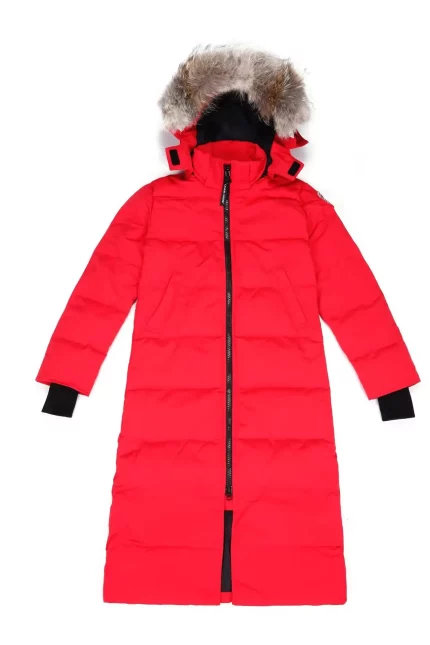
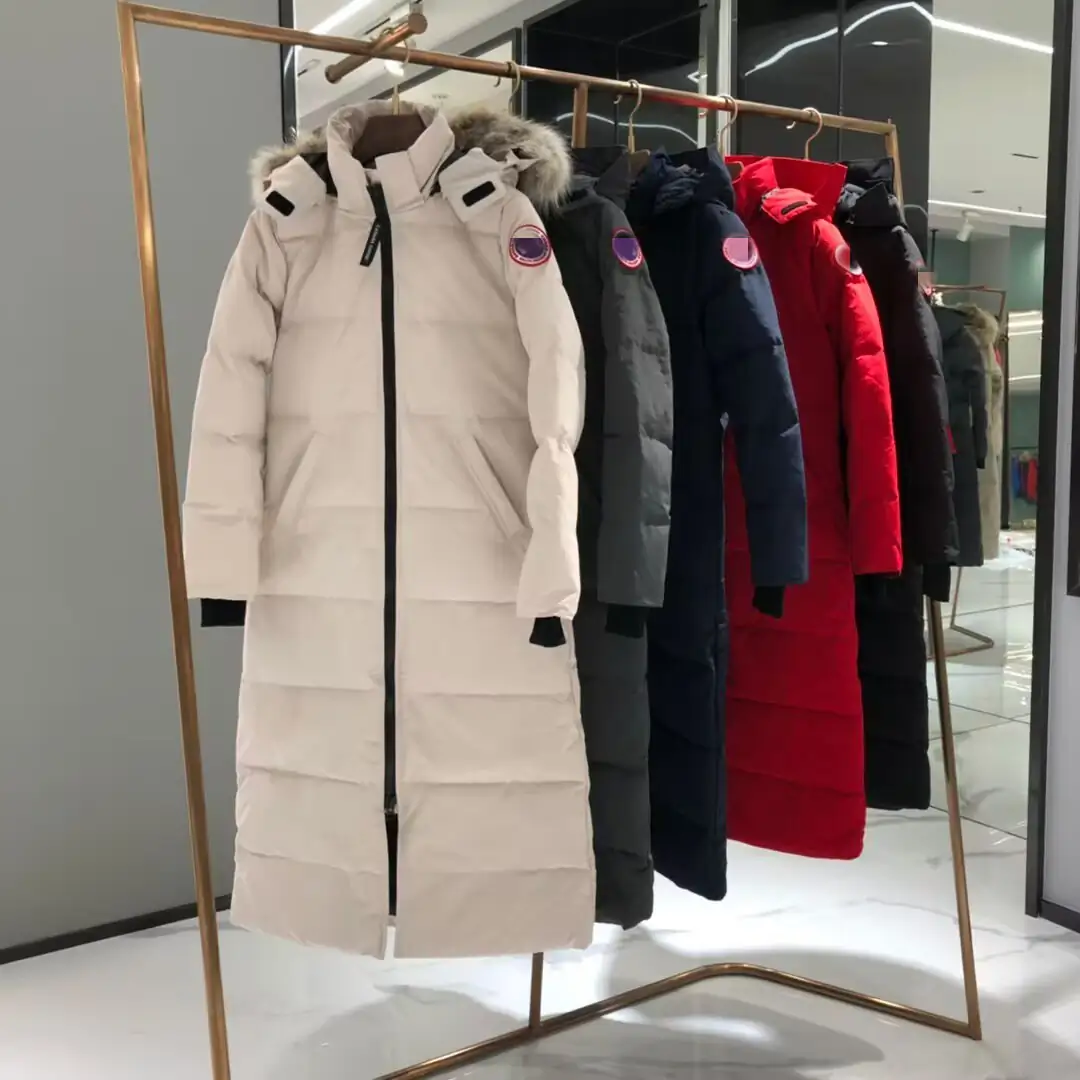
This vibrant red long parka delivers reliable winter warmth with its 50% white goose down insulation, suitable for temperatures well below freezing. T…
View Product →
How to layer up for the best protection.
Think of it as a team effort—your down jacket needs backup. When it’s snowy, you gotta layer up. Start with a base layer that pulls sweat away from your skin. Then, add a mid-layer, maybe fleece, for extra warmth.
Your down jacket is your main insulation layer. Finally, if you’re active and snow is falling or wet, throw a waterproof, breathable hardshell jacket over it all. This setup lets you adjust as conditions change. Best part? It keeps your precious down fill safe and dry inside that protective shell.
Here’s some advice based on what you’re doing. Resort skiing? A ski jacket with down insulation and a tough waterproof membrane is your best bet. Winter hiking? Go for a lightweight down jacket and a separate waterproof shell.
That gives you the most flexibility. Just walking around town in light snow? A stylish puffer with a decent water-repellent (DWR) coating is usually enough. Bottom line: always make sure the jacket’s features fit what you plan to do.
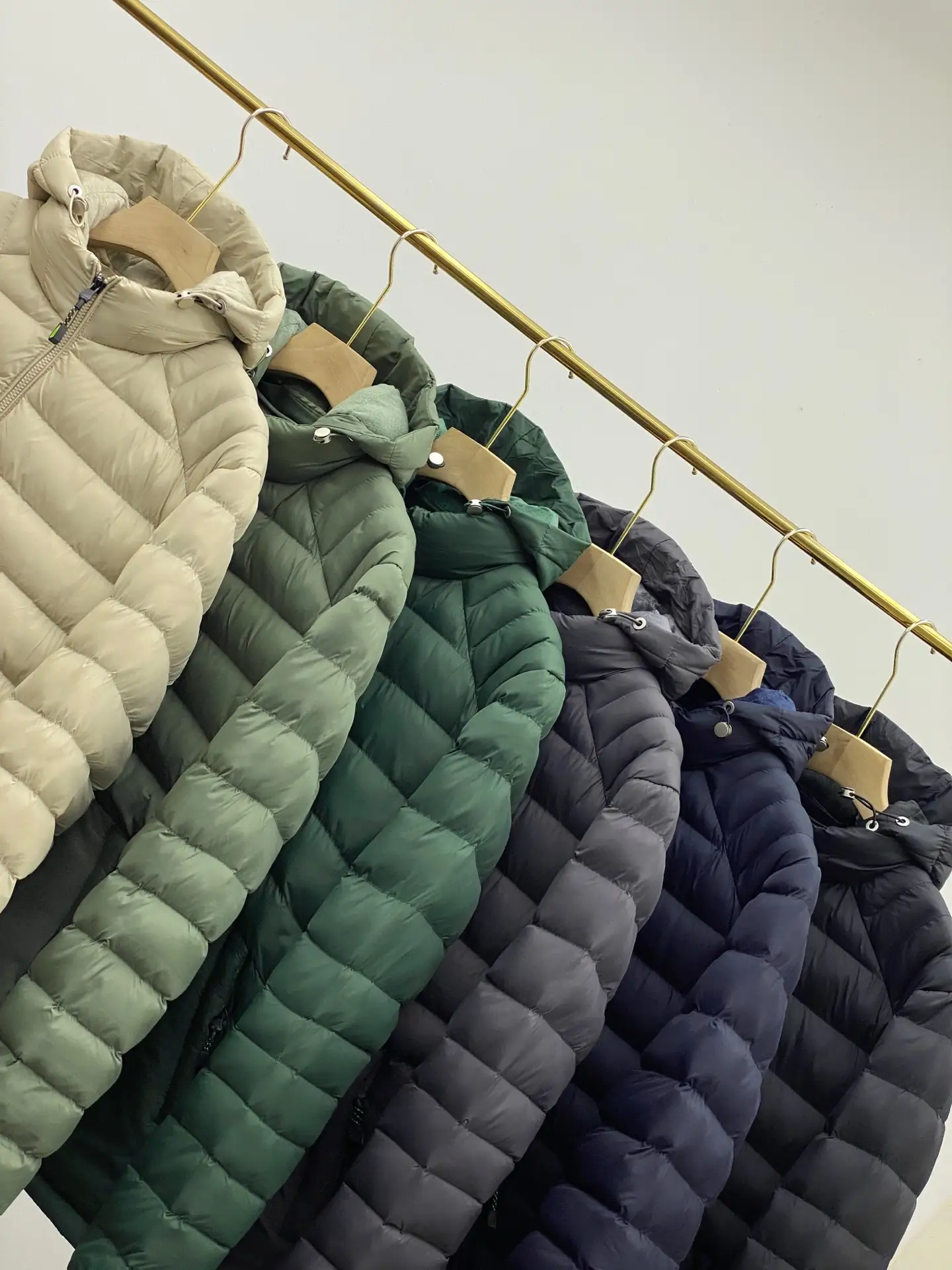
This entry-level down jacket offers a practical solution for light winter, filled with 550-fill-power white duck down. It reliably provides warmth in …
View Product →
Conclusion and Final Verdict
Alright, let’s get straight to it: can down jackets actually get wet in the snow? You bet they can. And once they’re soaked, that famous warmth just drops like a rock.
But don’t worry! Thanks to modern water-repellent down treatments, tough DWR outer shells, and layering smartly, you can totally rock your puffer jacket in the snow. Just remember this: down is an amazing insulator, not a waterproof rain jacket.
Take good care of it, reapply the water repellent now and then, and always have a plan B if things get really wet for a long time. If you know what it can and can’t do, your down jacket will stay your favorite buddy for all sorts of chilly adventures.
So, ready to try this out for yourself? Drop your own tips for snowy days with a down jacket in the comments! Or tell us a story about when your gear was a hero—or when it totally let you down!
And if your down jacket’s gone flat and clumpy, our full restoration guide has all the details to bring it back to life.
Engineered for versatile cold-weather performance, this deep blue replica vest utilizes 260g of 90% white duck down with high loft retention
View Product →
Alright, let’s talk about down jackets and snow.
So, can you actually ski in a down jacket?
You can, but it really depends on the situation. If you’re at a ski resort and the snow is cold and dry, those insulated ski jackets you see often have down inside. They come with a fully waterproof and breathable shell to keep you dry.
But for backcountry skiing, where you work up a serious sweat, it’s smarter to pack your down jacket for breaks. Wear it under a waterproof shell while you’re moving. Or, just go for a synthetic jacket instead—it handles wet weather way better.
How can you tell if your down jacket is waterproof?
Honestly, not many down jackets are completely waterproof. Most of them are just water-resistant. Take a look at the product details. Look for words like DWR finish, water-resistant shell, or a waterproof rating—something like 10,000mm.
When the jacket is new, if water beads up and rolls right off, that means the DWR coating is working well. Just remember, that coating doesn’t last forever. It wears off and you’ll need to reapply it.
What about 700-fill down? Is it good in the snow?
700-fill down is top-notch insulation. It gives you a great mix of warmth, light weight, and a reasonable price. Whether it’s good for snow really comes down to the jacket’s outer fabric and how it’s made.
So, a 700-fill jacket that has a tough, water-resistant shell and uses treated, water-repellent down can do really well when it’s snowy.
So, for wet, slushy snow, which is better—down or synthetic?
If you’re dealing with wet, slushy snow a lot, synthetic insulation is usually the way to go. It holds onto heat better even when it’s damp, and it dries out quicker. Water-repellent down helps close the gap, sure.
But if you want the most reliable option for getting soaked over time, stick with synthetic. Or, layer up—put a waterproof shell over your down jacket.