Down vs Feather Fill: What’s the Real Difference?
Hey there! Ever been in the bedding or outdoor gear aisle, totally confused about what makes a down comforter different from a feather pillow? You’re definitely not the only one. I felt the same way until I really looked into the details of insulation materials. People often use down and feather like they mean the same thing, but they’re actually from two different parts of a bird and have totally different properties. Knowing their composition is the secret. It explains why one keeps you super warm on a winter hike, while the other might feel a bit scratchy in your pillow. This guide will break down the science, how they feel, and the best uses for each. That way, you can make a smart choice for your next cozy buy.
Here’s what we’ll cover:
- Defining the Core Materials
- Structural and Functional Comparison
- Decoding Product Labels and Blends
- Making the Right Choice for Your Needs
- Conclusion and Call to Action
- Frequently Asked Questions (FAQ)
Let’s break down the main materials.
So, what is down, exactly?
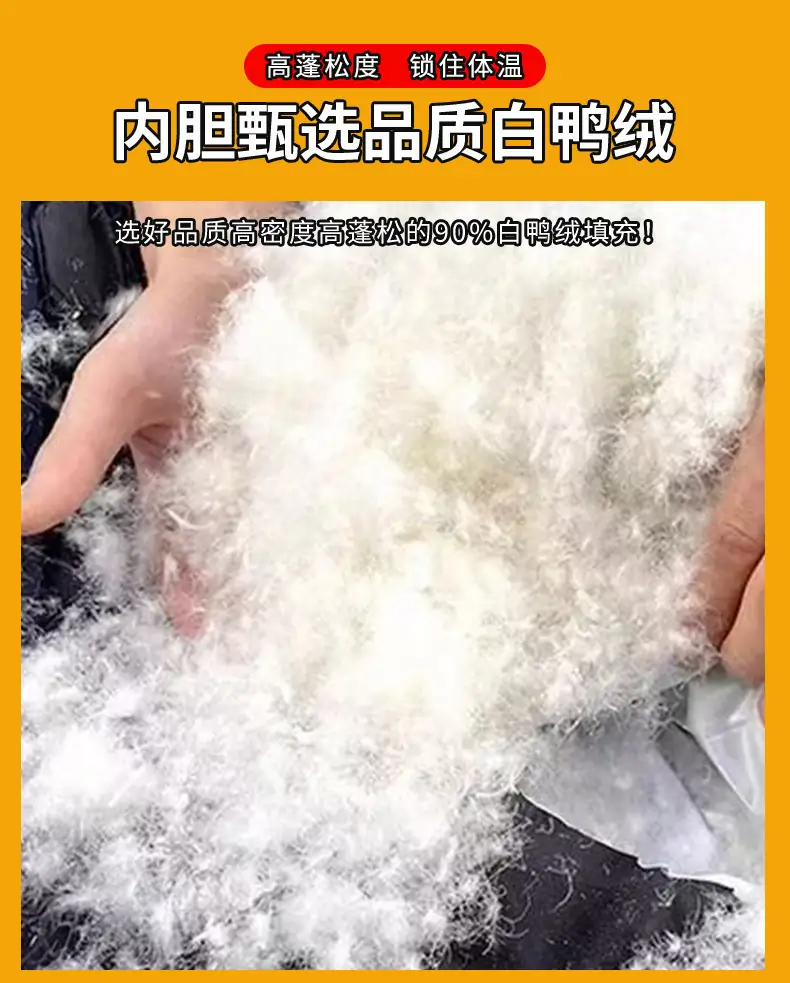
At its core, down is the soft, fluffy stuff you find under the tougher outer feathers of ducks and geese. These clusters are 3D, made of tiny filaments that spread out from a center point, and they don’t have a hard quill.
That unique structure is the secret behind its amazing ability to keep you warm. The filaments create tons of tiny air pockets that trap your body heat, making a super efficient thermal barrier.
The best down usually comes from older geese in cold places. It has bigger clusters, which means it’s fluffier (that’s loft) and packs more warmth for its weight. That’s why it’s the top choice for lightweight, packable insulation in high-end sleeping bags and winter coats.
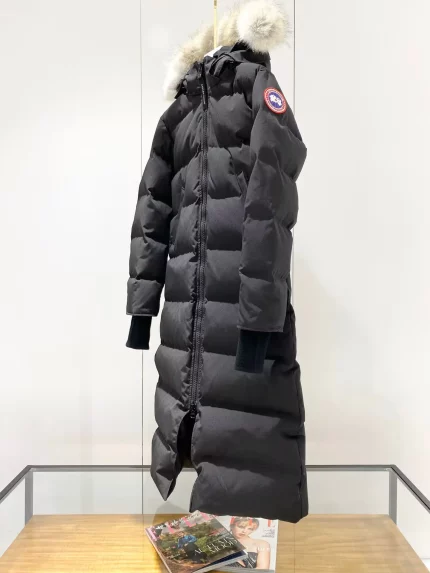
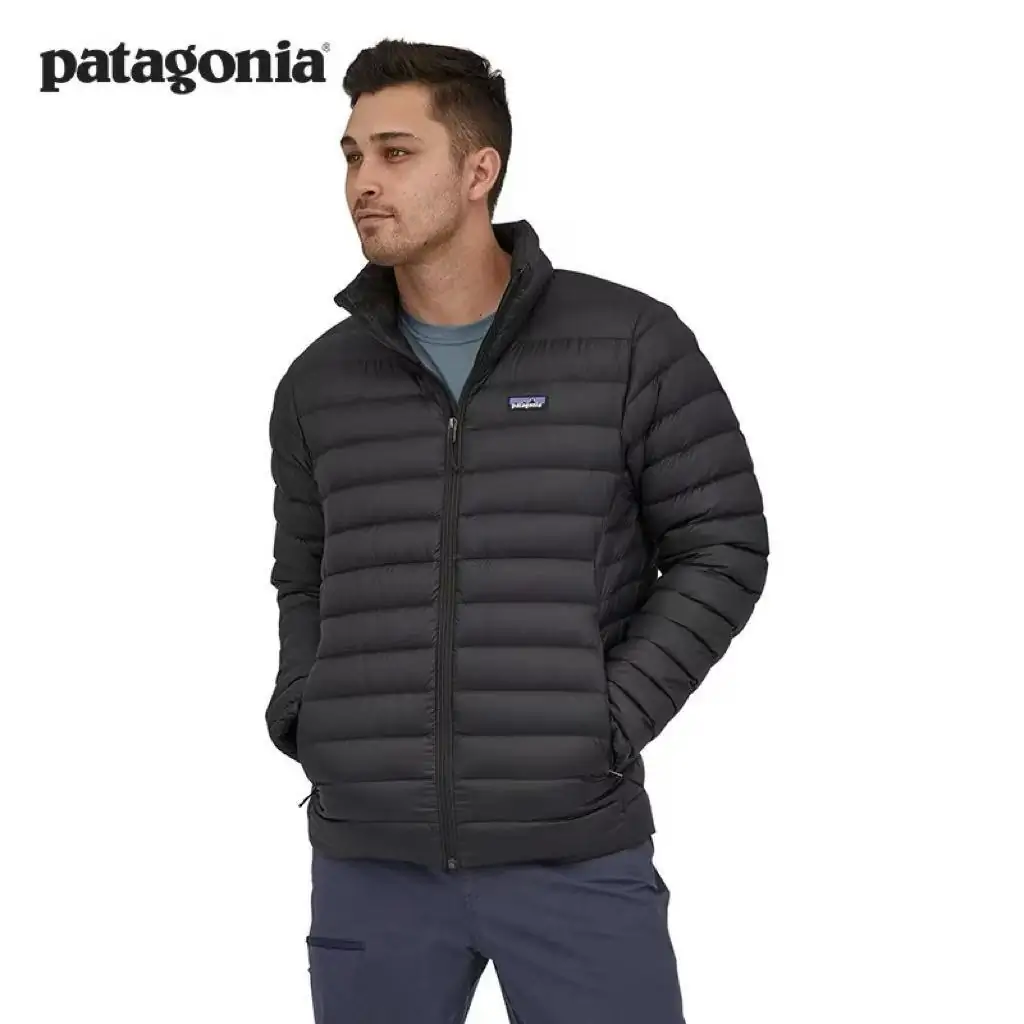
Engineered for light-cold conditions down to -5°C, this parka features 550 Fill Power white duck down, offering exceptional thermal efficiency and lof…
View Product →
Now, what about feathers?
Simply put, feathers are the flat, structured outer layer of birds, meant for protection and helping them fly. They have a hard central quill or shaft, with little barbs coming off it to make a flat, 2D surface.
They do offer some warmth, but their main job is totally different from down’s. In stuff like bedding and clothing, you usually get the smaller, softer body feathers, not the big flight feathers. But even these smaller feathers keep their quills.
Over time, those quills can get stiff and poke through the fabric—that’s a classic problem with cheaper pillows.
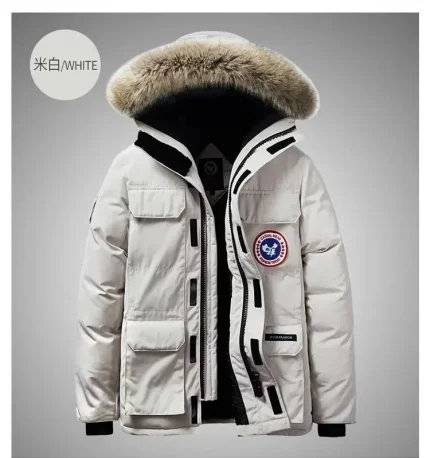
This high-quality replica parka utilizes 550 Fill Power white duck down with 81-85% down cluster content, providing effective thermal insulation for l…
View Product →
Structural and Functional Comparison
Anatomy of Warmth and Loft
Let’s break down the structure. The core difference is really in how they’re built. Down forms these 3D clusters without quills, like tiny puffballs. This gives it amazing loft, which is just a fancy word for fluffiness.
And that fluffiness is what decides how well it insulates. Feathers, on the other hand, are flat with a stiff quill in the middle. So, ounce for ounce, they just can’t puff up to the same volume. You can try a simple squeeze test.
Pure down bounces right back to its shape super fast. That shows it’s really resilient. Feather fill, though, often gets squished and stays flat for longer. This bounce-back ability means it lasts longer and keeps you warm consistently over time.
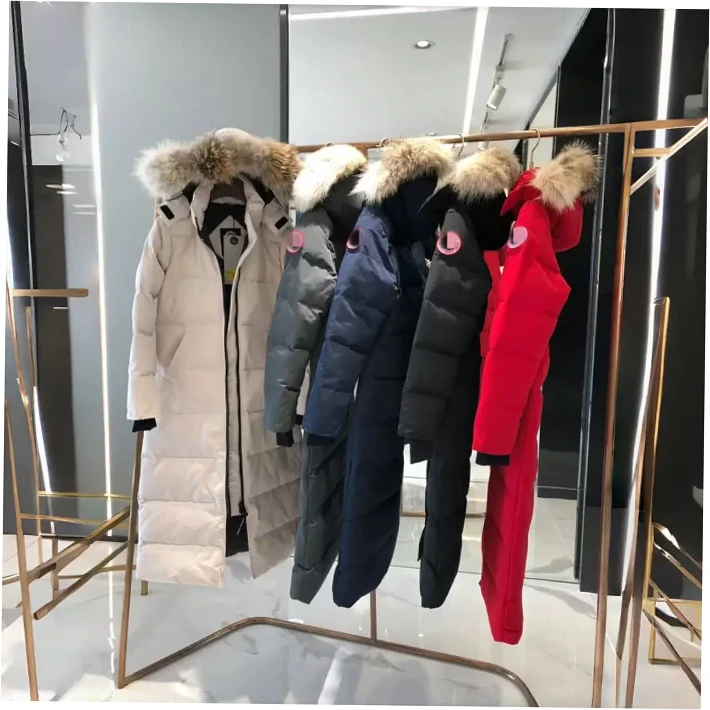
This striking red parka is equipped with 550 Fill Power white duck down, offering efficient thermal regulation for light-cold conditions down to -5°C.
View Product →
Performance in Insulation and Comfort
Now, let’s talk performance. For pure warmth-to-weight ratio, down is the clear winner, no contest. That’s why we use fill power to rate warmth—it’s basically a measure of that loft we talked about.
A higher number, like 800 fill power, means it traps more heat without adding extra weight. Feathers are cheaper, sure, but they don’t insulate as well and they end up being heavier. Comfort-wise, down is incredibly soft.
It just molds to your body, so there are no uncomfortable pressure points. Feathers feel denser. And in things like pillows that you’re directly touching, those quills can sometimes poke through, which isn’t very comfy.
I found this out the hard way with a cheap pillow—it felt like I was sleeping on a bunch of twigs!
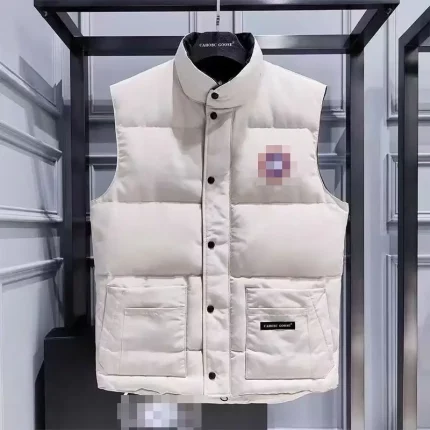
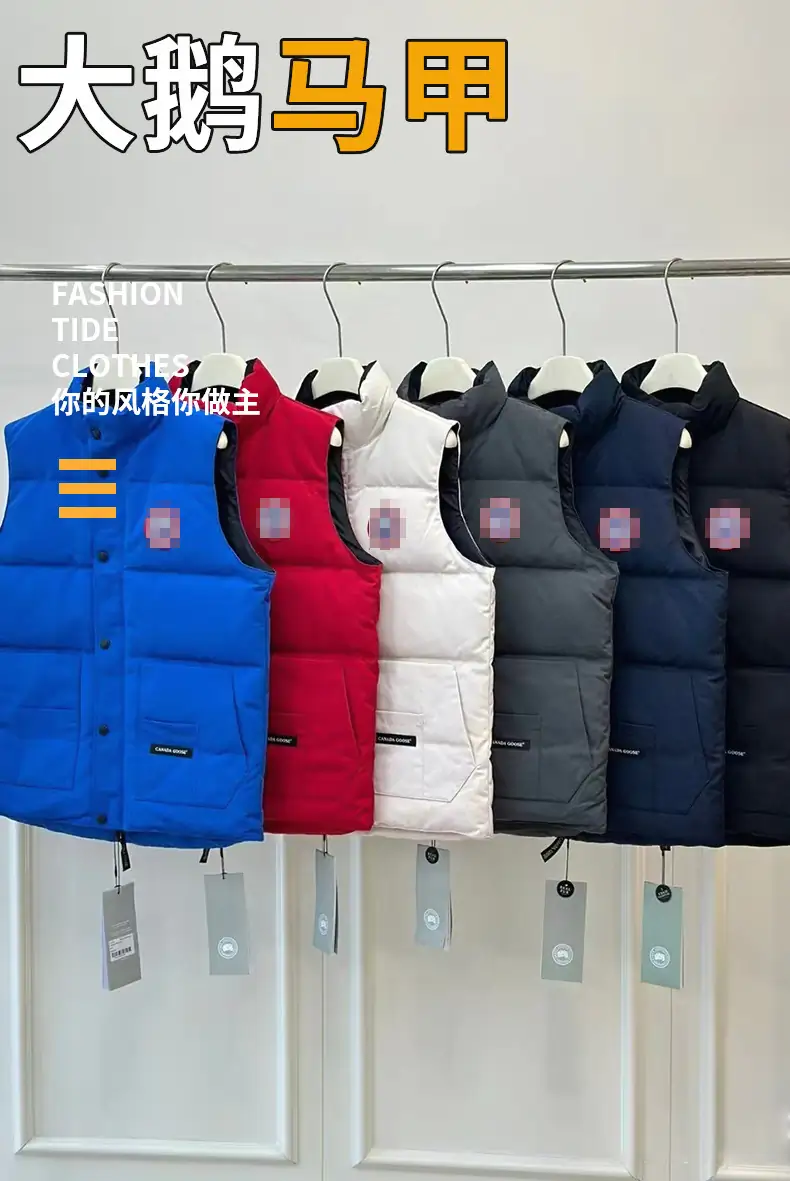
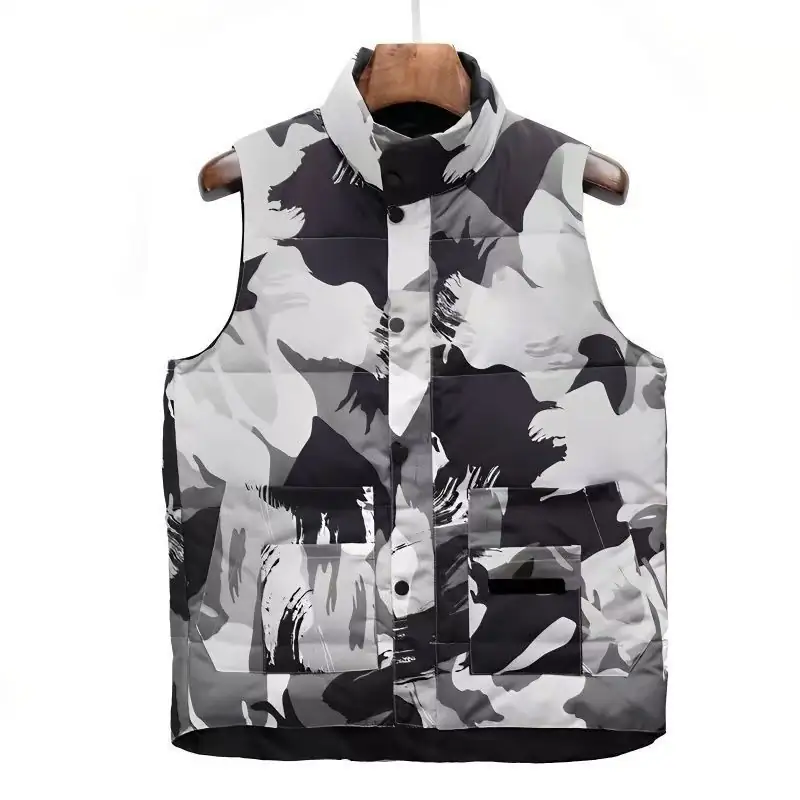
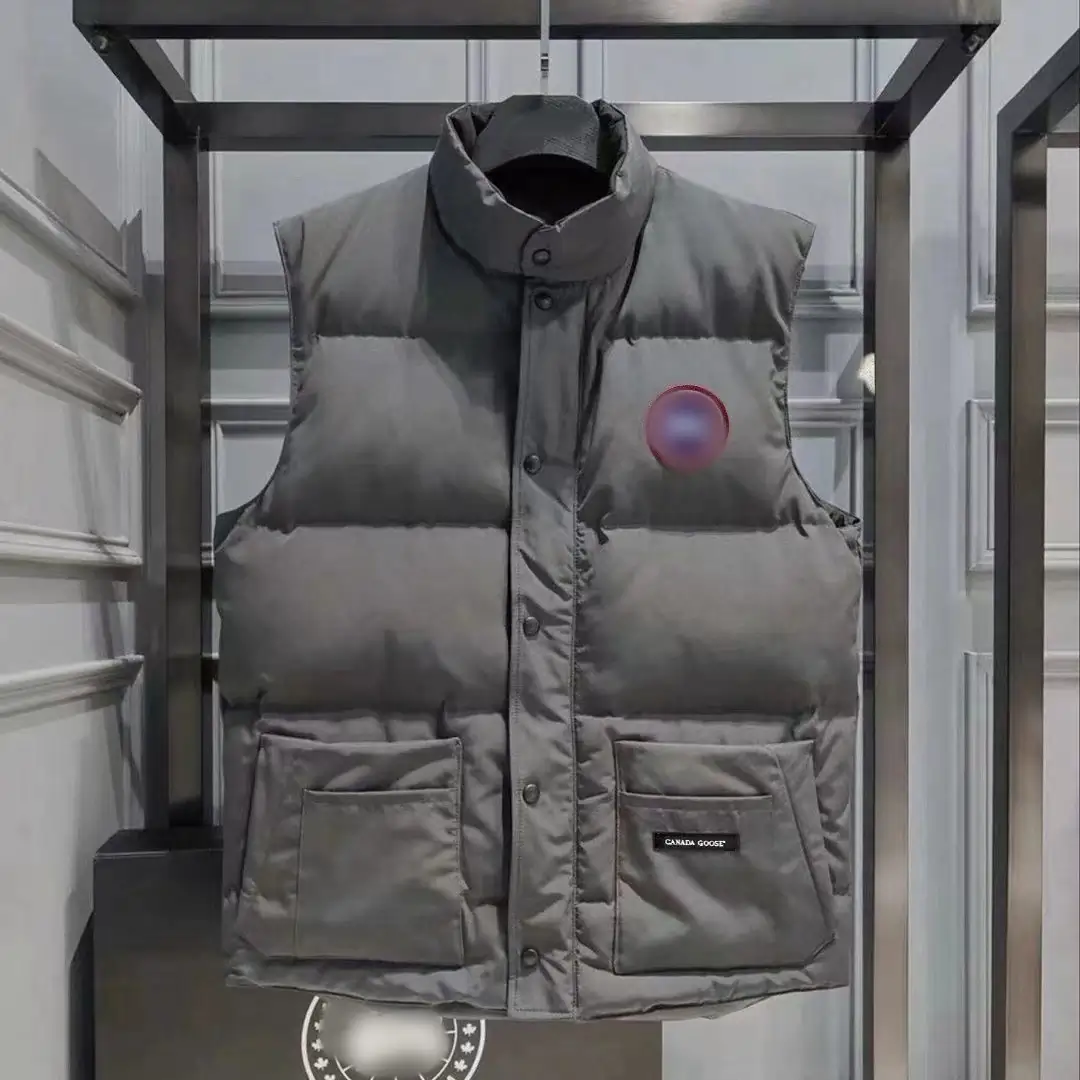
This high-quality replica down vest is insulated with premium white duck down boasting a high 86-90% down cluster content, providing exceptional warmt…
View Product →
Decoding Product Labels and Blends
Understanding Fill Power and Ratios
Label Literacy: In good quality products, you almost never see 100% feather fill. Instead, check for a ratio, something like an 80/20 down-feather blend. That tells you it’s 80% down clusters and 20% small feathers.
More down means better quality, it’s softer, and it insulates better. Fill power, measured in cubic inches per ounce (e.g., 550, 700, 800 ), applies only to the down component. It shows how fluffy one ounce of that down gets.
A higher number means it’s warmer, lighter, and costs more. Watch out, though. A high down percentage with low fill power might feel fluffy but won’t be super warm.
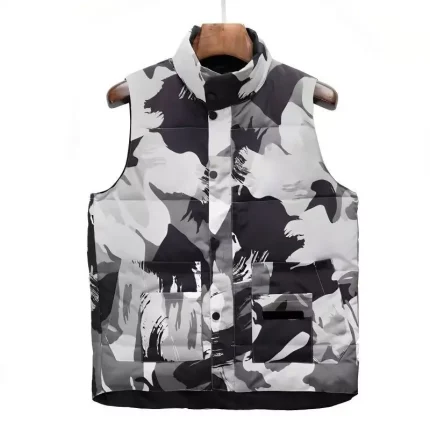
This versatile grey down vest features a substantial 201-300g fill of high-grade white duck down with 86-90% down cluster purity, delivering exception…
View Product →
Common Blends and Their Best Uses
So why do they make blends? To find a sweet spot between cost, how long it lasts, and how it feels. Here’s a simple breakdown of the usual blends you’ll see.
Common Down Feather Blends and Applications
| Blend Ratio (Down/Feather) |
Typical Fill Power |
Best Use Cases |
Feel Compromise |
| 95/5 or 90/10 |
700 |
Premium Winter Jackets, High-End Duvets |
Extremely soft, light, warm; high cost. |
| 80/20 or 70/30 |
550 – 650 |
All-Season Comforters, Standard Pillows |
Good warmth/value, slightly denser feel. |
| 50/50 or less |
N/A (Low) |
Budget Bedding, Sofa Cushions |
Firm, potentially prickly; least expensive. |
Core Advice: For year-round comforters, an 80/20 blend with 600 fill power offers a fantastic sweet spot. For side-sleepers seeking a pillow, a higher down percentage (85% ) is crucial to prevent quill discomfort, a tip I consistently share with customers at our store.
Now, let’s talk about the practical stuff: taking care of it, the price, and allergies.
This sky blue replica vest features 240g of premium 90% white duck down fill, engineered to provide exceptional thermal efficiency with balanced loft …
View Product →
Durability, Maintenance, and Price Points
To keep them fluffy and make them last, both down and feather fills need the right care. Wash them in a big front-loader with gentle soap. Then dry them completely on low heat, and toss in some tennis balls to help fluff them up and prevent clumps.
Some people think feathers last longer, but that’s not really true. Good quality down, if you look after it, can easily last for decades. The price gap is pretty big, though. Pure down with high fill power is definitely a luxury.
Blends make it more affordable, so you can still get some of that down coziness. Consider it an investment: a good down comforter might cost more upfront but provide superior comfort for 15 years.
Crafted for optimal warmth-to-weight ratio, this high-visibility replica vest utilizes 270g of 90% white duck down, providing superior loft and therma…
View Product →
Hypoallergenic Claims and Ethical Sourcing
Now, about health and ethics. Allergies are a big worry for many. Usually, the allergens come from dust or skin flakes, not from the down or feathers. Most high-end products get a really deep clean and are sterilized.
Keep an eye out for labels like RDS or TDS. These certify that the down was sourced ethically and the animals were treated well. For someone like me who wants to shop responsibly, these standards made a huge difference.
I always tell people to check for these certifications. That way, your cozy buy matches what you believe in.
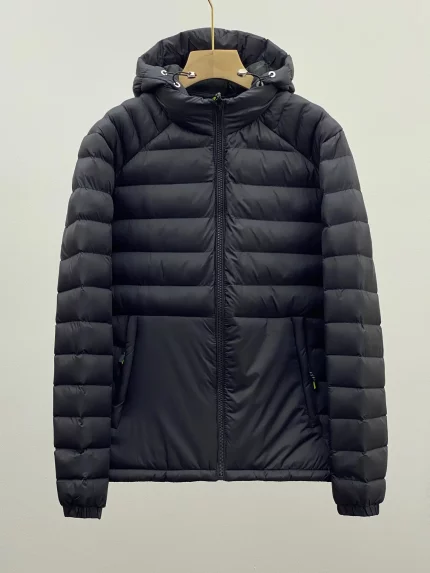
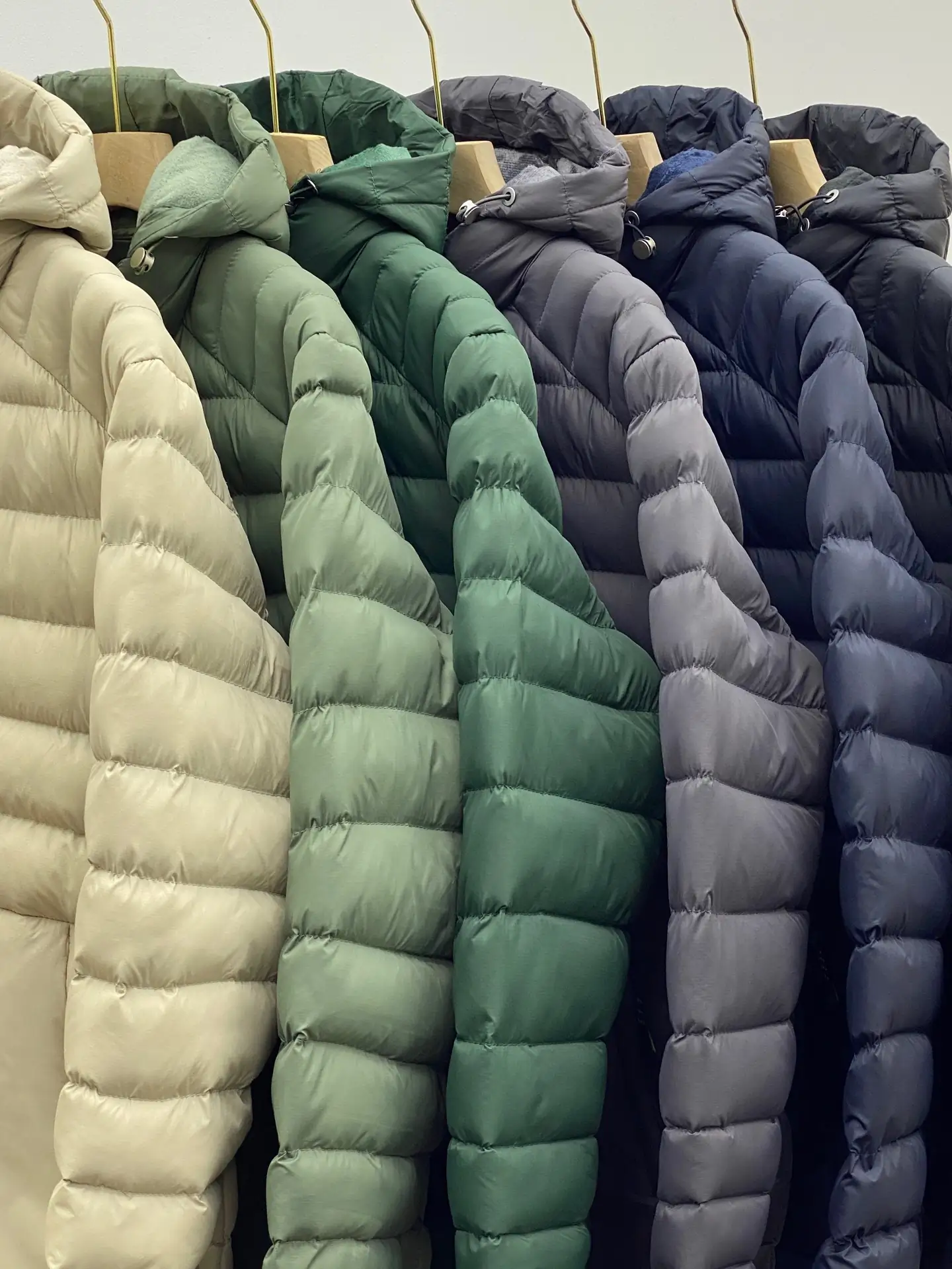
This entry-level down jacket offers a practical solution for light winter, filled with 550-fill-power white duck down. It reliably provides warmth in …
View Product →
Picking what’s right for you.
Let’s talk about choosing bedding—like pillows, comforters, and mattress toppers.
Here’s the deal with bedding: what you pick really comes down to how you sleep and the feel you’re after. Take pillows, for example. If you sleep on your stomach, you’ll probably want something softer and flatter, like a 70/30 down and feather blend.
Side sleepers, though, need more loft and a pillow with a high down percentage to really support the neck. Now, for comforters. If you’re always cold, go for a duvet with lots of down and high fill power—it’s the best.
Want something you can use all year? An 80/20 down and feather blend with medium fill is a great choice. You can even layer it with a light summer duvet. Just ask Sarah, a customer of ours.
She swapped her cheap feather pillow for one with a 90/10 down composition. Right away, her neck stiffness and morning headaches got better.
This high-quality replica vest delivers authentic thermal performance with 280g of premium 90% white duck down,
View Product →
Now, onto picking out clothes and gear—think jackets, vests, and sleeping bags.
With this stuff, performance is everything. Facing extreme cold but want to stay light and pack small? Pure down with high fill power, like 800-fill goose down, is your best bet for serious warmth.
If things might get damp, look for down that’s been treated to repel water. Need a jacket for everyday that’s tough and easy on the wallet? A down and feather blend is a fantastic option. See those sleeping bags rated for below freezing?
They almost always use high-fill-power down. Nothing beats its warmth for the weight. Oh, and a quick tip: squishing your down stuff for travel is okay, but for storage, keep it loose in a breathable bag. That keeps the loft—and the warmth—intact.
Here’s a quick cheat sheet for choosing between down and feather fills.
| What matters most to you? |
Recommended Fill Type |
Reason |
| Top warmth and being super light |
High Fill Power Pure Down (800 ) |
It fluffs up really well and traps heat like a champ. |
| Softness without breaking the bank |
Try a blend with a high down percentage, say 80/20. |
You get that soft down feel for a friendlier price. |
| Firm support, like for couch cushions |
A blend with more feathers, maybe 50/50, works better. |
The feathers add more structure and make it denser. |
| Want to be sure it’s ethical? |
Look for down that’s RDS or TDS certified. |
That’s your guarantee it was sourced responsibly. |
Conclusion and Call to Action
So, that’s the deal! The difference between down and feather composition isn’t just marketing talk. It really comes down to their structure, how they perform, and what you personally like. Down is the champ for lightweight warmth and a super soft, cloud-like feel, thanks to those quill-less clusters. Feathers, on the other hand, have a flat shape and quills. They give you a firmer feel and are usually cheaper, which is why they’re often mixed in blends. Picking the right one depends on what you care about most: top-notch insulation, super plush comfort, or sticking to a certain budget. Now you know all this, you can easily read those product labels and pick the perfect fill for your next cozy buy. So, did this guide clear things up for you? Tell us in the comments about your own down vs. feather puzzle or what you finally picked—I’m really curious to know! Or, if you’re wondering about specific products, take a look at our detailed review of the best down alternative comforters for people with really bad allergies.
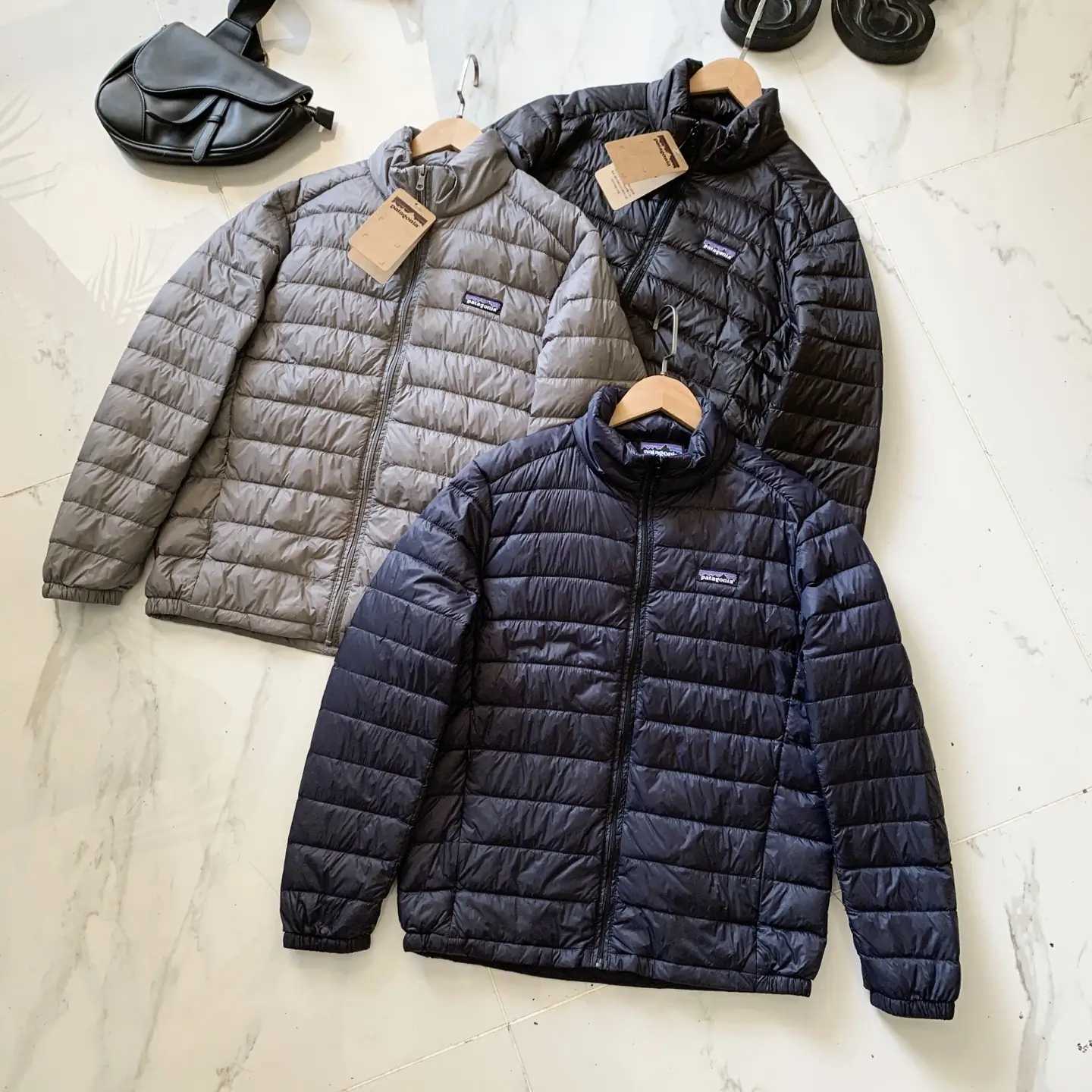
This entry-level down jacket is a practical and less expensive option for cool weather, filled with 550-fill-power white duck down.
View Product →
Here are some common questions people ask.
So, is more down always the better choice?
For softness and warmth, usually yes. Take a pillow with 90% down versus 70% down of the same kind—the 90% one will be fluffier and cozier. But better really comes down to what you’re looking for.
A 100% down pillow can feel too soft if you like more support. That’s where a down and feather blend comes in handy—the feathers give it that extra firmness some people want.
What about allergies to down or feather bedding?
Actually, being truly allergic to the down or feathers themselves is pretty uncommon. Most of the time, reactions come from stuff like dust mites, mold, or leftover dust trapped in fills that weren’t cleaned well.
Your best bet is to look for hypoallergenic labels. That means the fill has gone through a thorough wash and sterilization to get rid of those allergens. If your allergies are really bad, you might want to check out a good down alternative instead.
Okay, what’s fill power and why does it matter?
Fill power tells you how fluffy the down is—just the down, not the feathers. Basically, it’s how much space one ounce of down takes up. A higher number, like 800 fill power, means bigger down clusters that trap more air.
So, you get more warmth without the extra weight. It’s the main thing to look at when you’re comparing how warm and high-quality different down items are.
Now, what about the ethics of down and feather products?
This is a really important question. The old ways of getting down and feathers have sometimes involved practices that aren’t great for animal welfare. To make sure things are done ethically, always check for certifications from independent groups.
like the Responsible Down Standard (RDS) or the Global Traceable Down Standard (TDS). These certifications guarantee that the down is just a leftover from the food industry, and that the birds weren’t live-plucked or force-fed.