Which Insulation Performs Better for Skiing?
Picking the perfect insulated jacket for skiing isn’t just about staying warm. There’s this classic debate: down vs. synthetic insulation. It’s a real head-scratcher for skiers trying to figure out what performs best. Sure, a down-filled parka is great for freezing city walks. But when you’re skiing hard and things get wet, it can act totally different. Let’s cut through the marketing hype. We’ll compare down insulation and synthetic fills head-to-head, focusing on what really matters for skiing. Think moisture management, warmth without the weight, how they hold up when damp, and if they’re worth your money for the mountains. We’ll help you figure out which jacket deserves a spot in your ski bag.
Table of Content
- Core Insulation Performance: Warmth and Weight
- Moisture Management: The Crucial Skiing Factor
- Versatility and Layering for Mountain Use
- Cost, Care, and Environmental Impact
- Making Your Final Ski Jacket Choice
- Ready to gear up?
- FAQ: Down vs. Synthetic for Skiing
Heat Retention and Packability
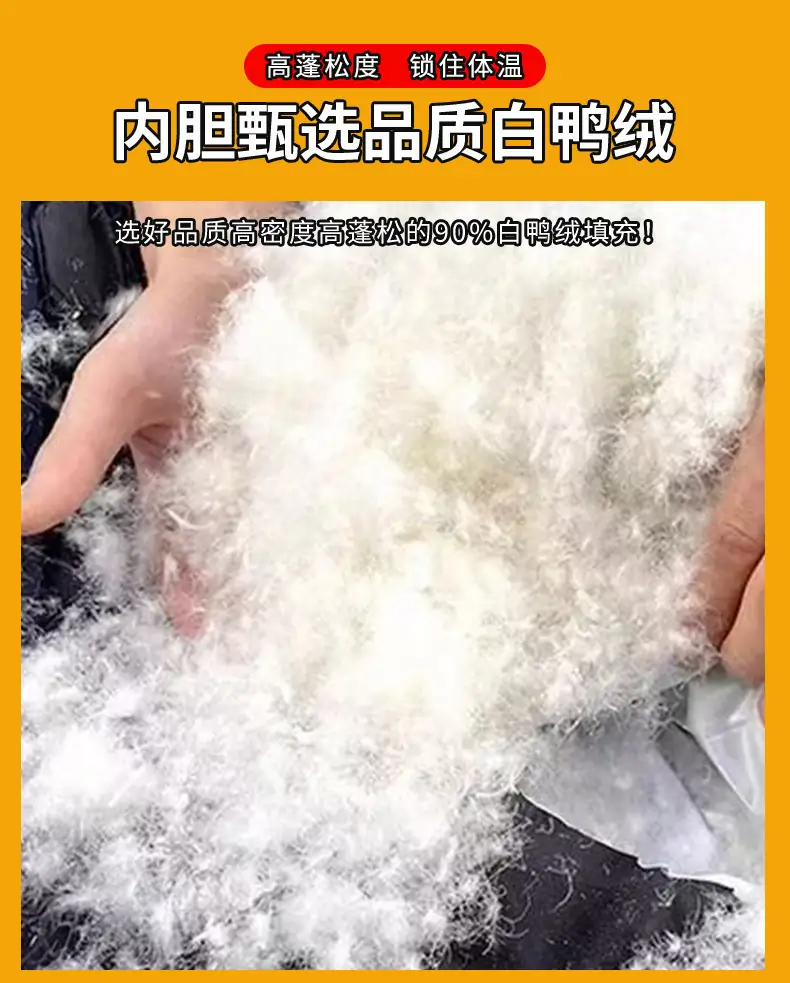
Let’s compare the core stuff. Down insulation, which usually comes from geese or ducks, is famous for being super warm without weighing much, and it packs down really small.
The good stuff, like 800-fill power down, uses less material to trap more air. This makes a really efficient heat barrier that squishes down tiny in your pack.
If you’re a skier who wants the most warmth with the least bulk, maybe doing resort laps or hiking in the backcountry, a top-notch down jacket is tough to top—as long as it stays dry.
Here’s the real deal, though: moisture changes everything about warmth. Synthetic insulation, think PrimaLoft® or ThermoBall™, is made from polyester fibers. It keeps its puff and stays warm way better if it gets wet.
So if you’re sweating on the uphill skin track or dealing with constant snow falling, a synthetic jacket will do a better job keeping your temperature steady.
Sure, synthetics can be a bit heavier and don’t pack as small as similar down. But the new ones are much closer now, giving you really good warmth for what they weigh.
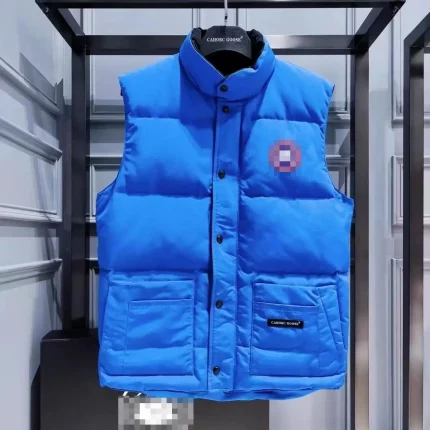
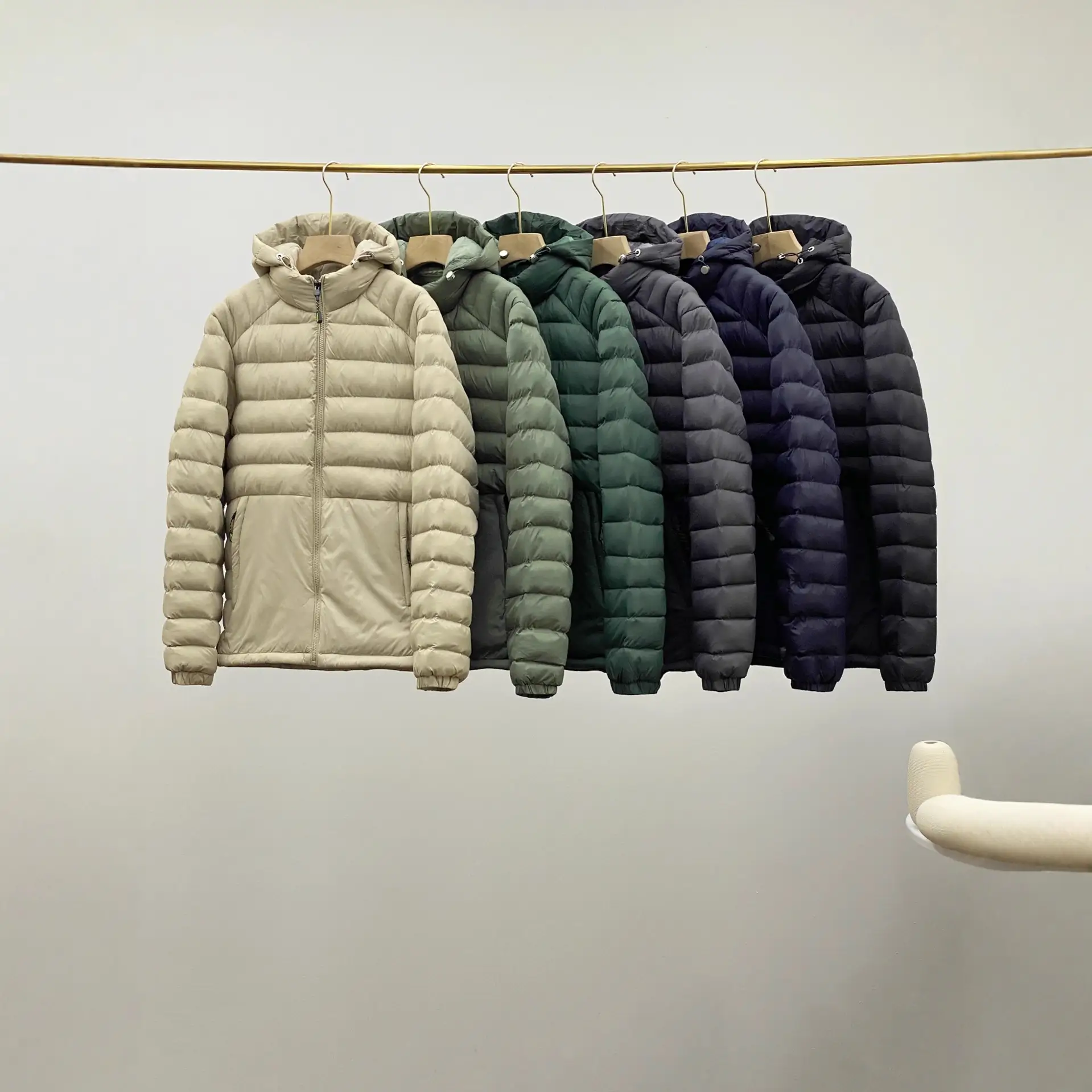
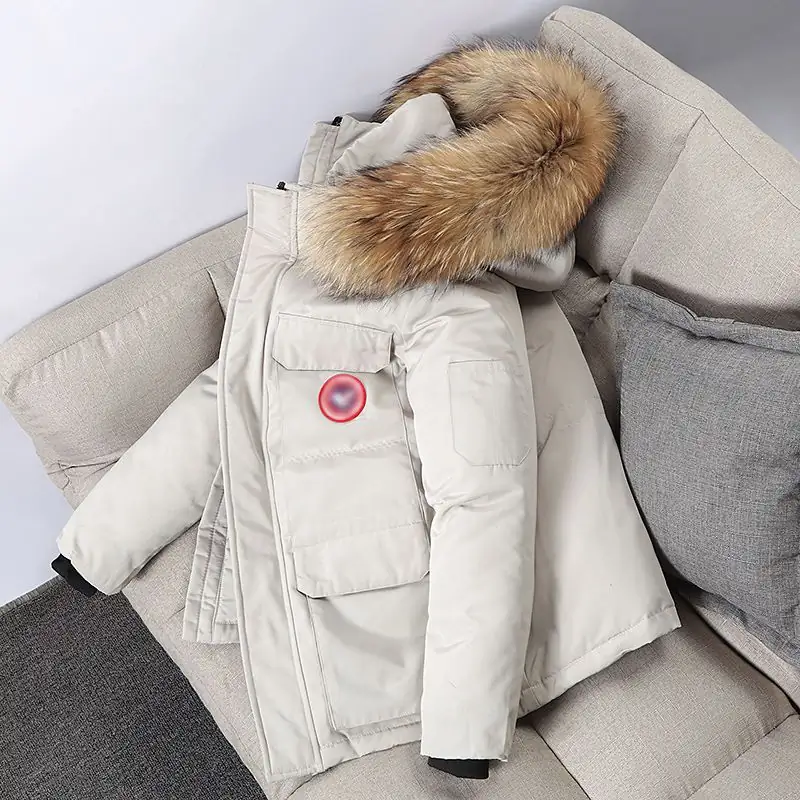
This sky blue replica vest features 240g of premium 90% white duck down fill, engineered to provide exceptional thermal efficiency with balanced loft …
View Product →
Durability and Long-Term Value
Now, think about the long run. A down jacket you take good care of can last you ages. But if you don’t store it right, it can slowly lose its loft, which means it won’t be as warm. Fancy down jackets usually have a DWR coating to shed water.
That coating doesn’t last forever, though. Over time, rubbing from ski straps and your backpack can wear it off. On the other hand, synthetic insulation fibers can break down if you keep squishing them. Stuffing it in your pack year after year can make it lose its puff faster.
So, what’s the better value? If you ski a lot, a synthetic jacket often wins. You get more consistent performance and don’t have to worry as much about taking care of it.
You can just throw it in the wash without stressing too much about ruining delicate down clusters. Lots of good brands have solid warranties. Take Patagonia’s Ironclad Guarantee—it covers defects for the life of the product.
Arc’teryx also offers full coverage on materials and how it’s made. Just make sure you always check the care instructions and the warranty details. Washing it the wrong way can void the warranty for both down and synthetic jackets.
Engineered for extreme conditions, this High-Quality replica utilizes advanced synthetic insulation rated to 650+ fill power equivalence, delivering e…
View Product →
Managing moisture is super important when you’re skiing.
You’ve got to deal with both sweat and snow.
Here’s the real test for your gear: when you’re active and sweating. Skiing is tough work, but then you’re just sitting on a cold chairlift. You sweat on the inside, and snow or sleet can get you wet from the outside.
Down jackets hate getting wet. The fluffy bits stick together, they can’t hold warm air anymore, and you lose heat fast. Even the water-resistant kind needs to be dried out carefully.
Here’s where synthetic insulation has the edge: it doesn’t soak up water like down does. It keeps you warm even if it’s damp, because those hollow polyester fibers are made to push moisture away.
If you’re ski touring and get hit by a spring storm, or you’re at a resort in wet, heavy snow, a synthetic jacket gives you a much better safety net. It dries way quicker over lunch in the lodge, so you’ll be nice and warm for your afternoon runs.
Let’s compare how they handle moisture when you’re skiing.
| Situation |
How a Down Jacket Does |
How a Synthetic Jacket Does |
| A little sweaty on the way up |
Okay if the outer layer breathes really well, but you might still feel a bit damp inside. |
Really good; the fibers don’t really soak up your sweat. |
| In heavy, wet snow |
Not great. You have to keep re-treating the water repellent, and it can get soaked through. |
Excellent. It stays puffy and warm even when it’s damp. |
| How fast it dries (like at lunch) |
Slow. You have to fluff it up gently on low heat. |
Fast. Hang it up for a bit and it’s usually ready to go for your next run. |
This advanced replica parka delivers exceptional thermal performance through premium synthetic insulation engineered to 700+ fill power equivalence.
View Product →
Versatility and Layering for Mountain Use
Mid-Layer vs. Outer-Layer Suitability
When you’re layering up, pick your insulation based on what job it needs to do in your system. On those super cold, dry days, a lightweight down vest or jacket is a great choice.
It’s super packable and works perfectly as a mid-layer under your waterproof shell. The fact that it squishes down so small is a huge plus. On the flip side, a lot of ski jackets and insulated shells go with synthetic insulation.
Why? Because it’s reliable when it’s right out there in the weather as your outer layer. In milder weather, a synthetic jacket can often be all you need, maybe just over a base layer.
Let’s look at a backcountry skier’s pack, for example. They’ll probably pack a thin synthetic jacket, something like the Patagonia Nano Puff. That’s for staying warm while they’re moving between runs.
Then, they’ll also have a high-end, super-packable down jacket, like the Arc’teryx Cerium LT. That one’s for when they stop at the summit or if there’s an emergency. This two-jacket system uses the best of both worlds.
You use the synthetic insulation when it’s damp or you’re active. You save the down jacket for when you’re stopped and need max warmth, and it’s dry out. If you just rely on a down jacket for everything, you’re taking a bigger risk if the weather gets nasty.
This high-quality replica parka utilizes 550 Fill Power white duck down with 81-85% down cluster content, providing effective thermal insulation for l…
View Product →
Let’s talk about the cost, how to care for them, and their impact on the environment.
First up is the initial cost and the ongoing maintenance.
Here’s the money part: Down jackets usually cost more upfront, especially the fancy ones with high-fill-power, ethically sourced down. You’re shelling out more for a top-notch natural material that can last a really long time if you treat it right.
Synthetic jackets, on the other hand, are generally cheaper to start with, so good insulation is easier to get your hands on. Looking after them is different too.
Down needs special gentle wash stuff, like Nikwax Down Wash, and you have to be super careful drying it to get its puff back. Synthetics are easier—just toss them in the washing machine with regular tech wash.
Thinking long-term about cost and care.
| Factor |
Down Insulation |
Synthetic Insulation |
| What you pay at first |
Higher ($250 – $600 ) |
Usually lower, around $150 to $400. |
| How tricky they are to wash |
Pretty high. You gotta be careful and might even need the tennis ball trick in the dryer. |
Pretty low. A standard machine wash usually does the trick. |
| Warmth Retention Over 5 Years |
Stays excellent, but only if you take really good care of it. |
Stays good, though it might slowly lose a bit of its puff over time. |
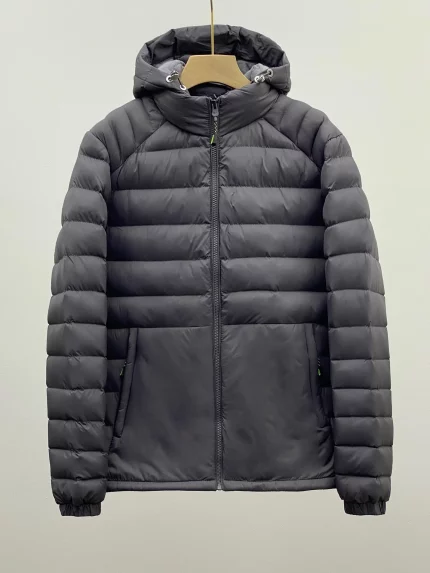
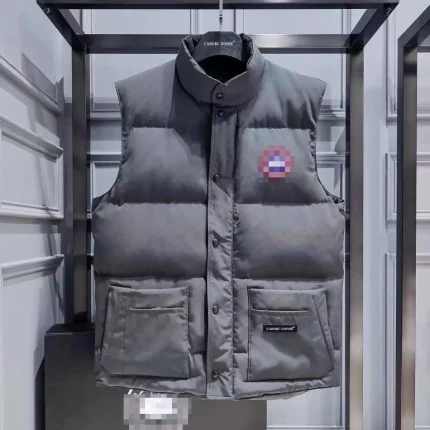
This versatile grey down vest features a substantial 201-300g fill of high-grade white duck down with 86-90% down cluster purity, delivering exception…
View Product →
Now, about being eco-friendly and ethical.
Where the materials come from matters a lot. For down, ethical sourcing is a big deal. Look for labels like the Responsible Down Standard (RDS). That means the birds weren’t force-fed or plucked alive.
For synthetic insulation, the environmental hit comes from being made from oil and from shedding tiny plastic bits when you wash it. Some brands are now using recycled polyester, like PrimaLoft Gold Eco, for their synthetic fill.
That helps cut down on the impact. So, there’s no one right answer here. It comes down to your own choice: a natural material from a good source, or insulation made from recycled synthetics.
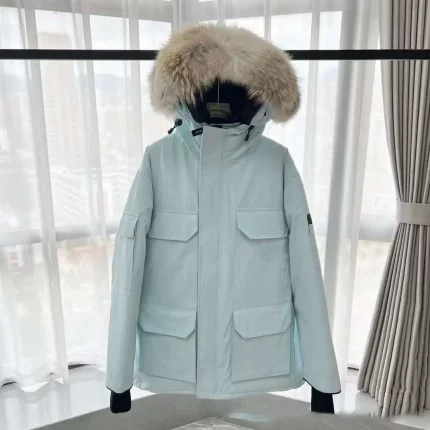
This long grey parka offers substantial warmth for cold climates, filled with 50% white goose down for reliable insulation. The nylon-cotton blend out…
View Product →
Alright, time to pick your final ski jacket.
First up, match the insulation to how you actually ski.
Here’s a simple way to decide: let your main type of skiing guide you. If you’re mostly skiing at resorts in cold, dry places—think interior BC or Colorado—and you’re hopping from the lodge to the lift.
a down jacket gives you that top-notch, cozy warmth. But if you ski in wetter, coastal areas like the Pacific Northwest or the Alps, or if you’re into ski touring or side-country where you’ll be working up a sweat and facing changing weather, then a synthetic jacket is your go-to. It’s more reliable and versatile—a real workhorse.
I learned this the hard way myself, on a tour in Washington’s Cascades. My go-to down jacket got damp with sweat on the way up. Then, when we stopped at the windy, snowy summit, it was completely useless.
That made for a seriously cold and risky trip back down. Now, for any tour where the weather’s iffy, I automatically grab a synthetic jacket. I save my down jacket for those guaranteed dry, cold resort days, or I stash it deep in my pack as an emergency backup layer.
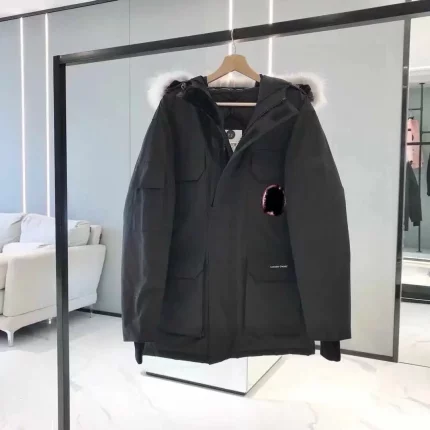
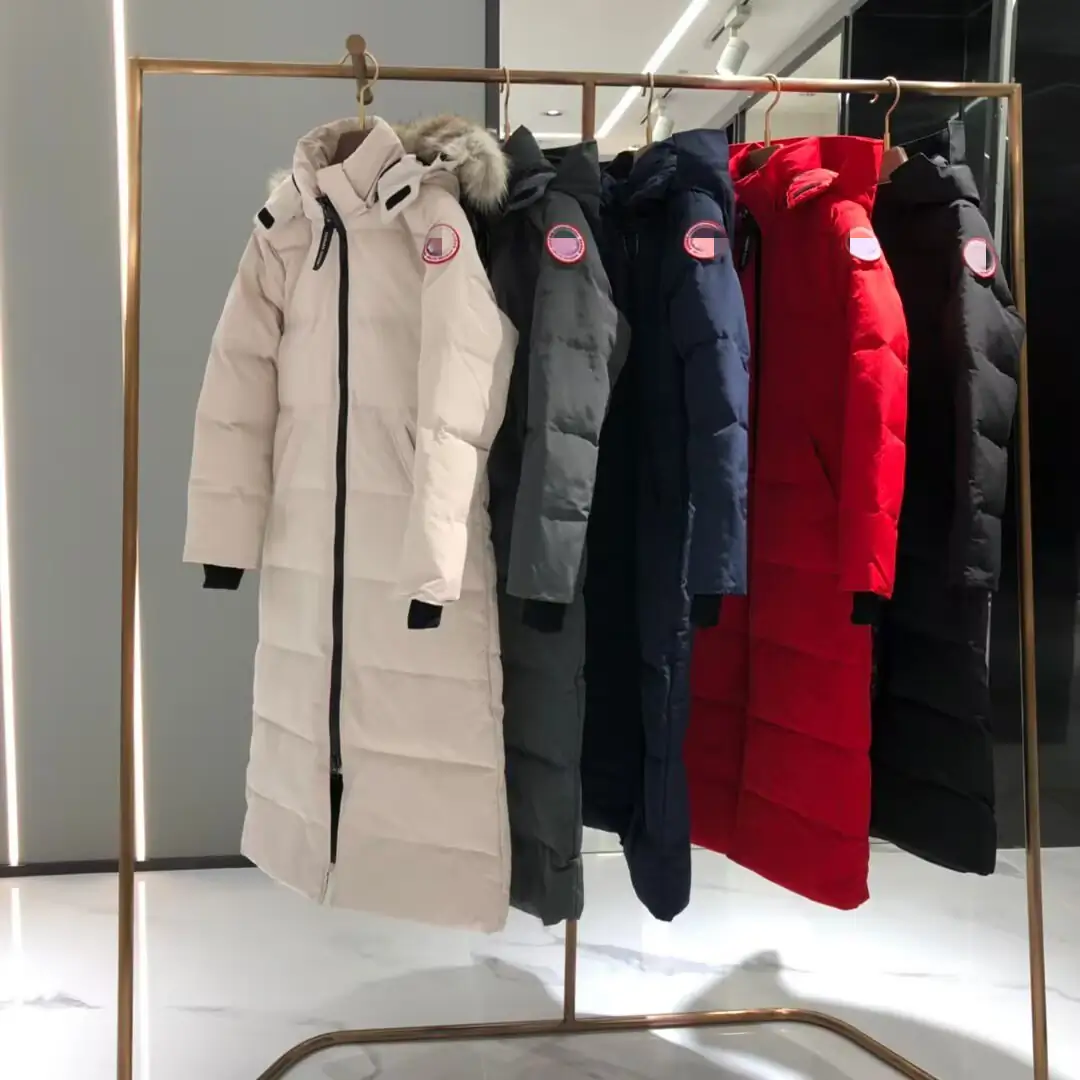
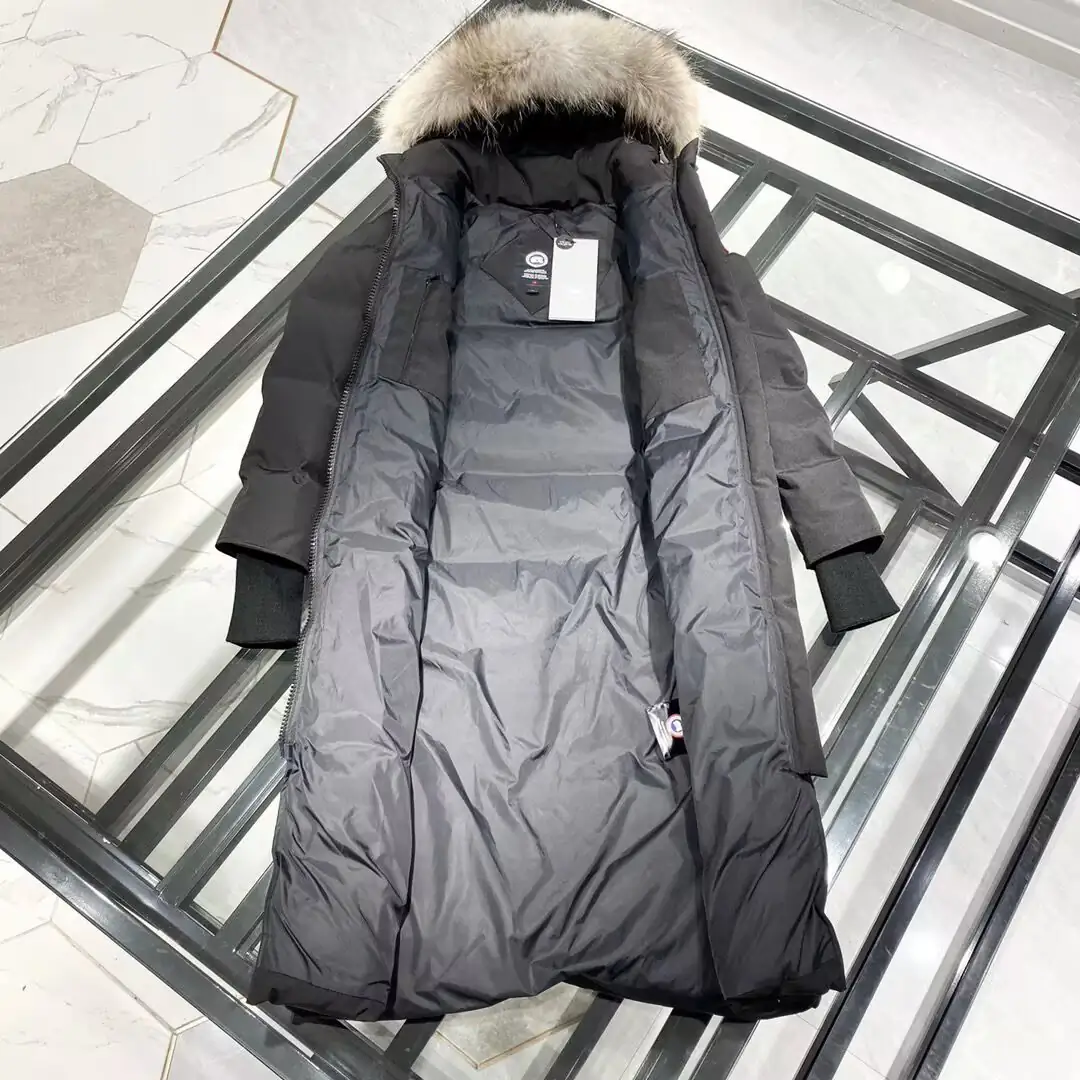
This black long parka provides substantial warmth for harsh winter conditions, featuring 50% white goose down fill that effectively retains body heat …
View Product →
Don’t forget about hybrid and weather-resistant options.
You don’t have to pick just one or the other. There are some clever designs out there. Lots of brands make hybrid jackets now. They put synthetic insulation in spots that get wet easily, like the shoulders and hood.
and use down in drier areas like the torso. This gets you the best performance from both. Plus, tech like Pertex® Quantum fabrics and better water-repellent (DWR) treatments have made down jackets more water-resistant than before.
If you want the ultimate setup, try a waterproof-breathable hardshell with a versatile synthetic mid-layer underneath for most days. Only add a down layer on top if you know it’s going to be extremely cold and dry.
So, to wrap it up, the down vs. synthetic debate for skiing isn’t about one being the overall winner. It’s about using the right tool for the job. Down is king for ultimate warmth and packability when it’s dry and cold.
Synthetic, on the other hand, is the champ for reliable performance in damp weather, and it’s easier to take care of. Think about your local weather, how active you usually are, and how much maintenance you’re willing to do.
That’ll help you make a smart choice. Honestly, the most prepared skiers often own both types. They just pick the right one based on the day’s forecast.
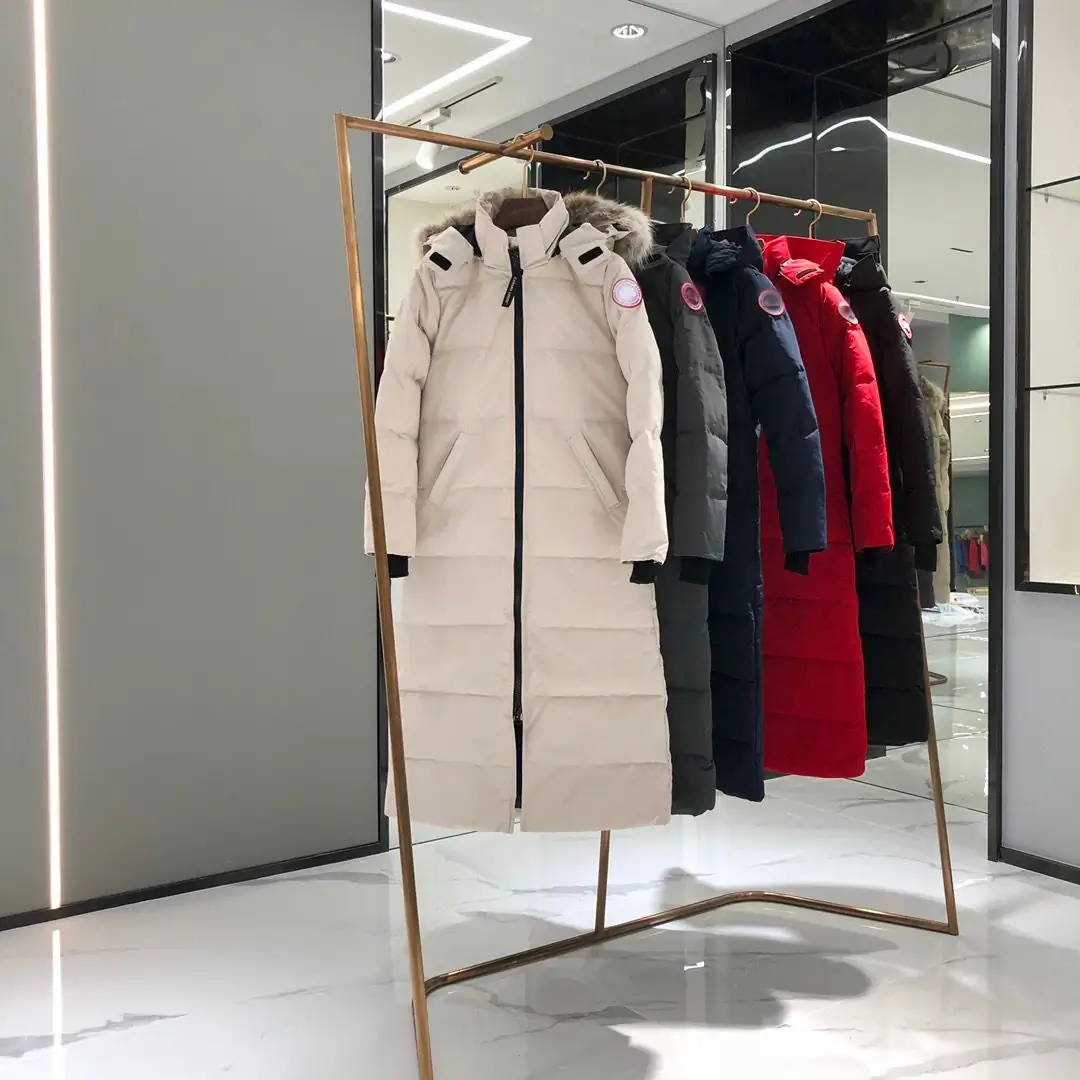
This vibrant red long parka delivers reliable winter warmth with its 50% white goose down insulation, suitable for temperatures well below freezing. T…
View Product →
All set to get your ski gear sorted?
Got any wins or fails with your ski jacket insulation? Drop a comment and tell us your favorite ski jacket and the reason why you love it.
Want more tips on putting together the best ski layers? Our full guide has you covered—it breaks down how to pick base layers and hardshells.
This deep navy blue long parka offers substantial cold-weather protection with 50% white goose down insulation, suitable for temperatures below freezi…
View Product →
Alright, let’s talk about down versus synthetic insulation for skiing.
So, which is better for ski touring, down or synthetic?
For most ski touring, synthetic is usually the better and safer pick. You’re working hard and sweating, plus the weather can turn on a dime. Even if it gets damp from sweat or snow.
a synthetic jacket stays warm and dries out way quicker when you take a break. A lot of tourers pack two jackets: a light synthetic one for moving, and a small, packable down puffy for longer stops when they know it’ll be dry.
This cream-colored vest utilizes premium 700-fill power white duck down to deliver exceptional warmth-to-weight ratio performance.
View Product →
What about a waterproof down jacket? Can you ski in that?
You can, but there are some big buts. Yeah, there are jackets made for this, called down hardshells. But here’s the main problem: if sweat gets inside, the down can still get wet and clump up.
They’re really best for chill resort days when it’s wet and cold and you’re not working up a big sweat. If you think you’ll sweat, you’re better off with layers: a separate waterproof shell over a mid-layer, which can be synthetic or down. That gives you more options and handles moisture better.
How do you wash a ski jacket so you don’t wreck the insulation?
First rule: check the tag and do what it says. Generally, use a front-load washer on gentle with a special cleaner for gear, like Grangers or Nikwax. If it’s down, get a soap made just for down. Skip the fabric softener.
Make sure you rinse it really well. To dry it, toss it in the dryer on low heat. For down jackets, throw in some clean tennis balls or dryer balls. They’ll bounce around and help fluff the down back up.
Doing this right is key to keeping your jacket water-resistant and warm. Washing it wrong is a top reason companies won’t honor the warranty.
What’s the absolute warmest insulation for those super cold, dry ski days?
When it’s brutally cold and dry—think below 14°F—high-quality down (700-fill or higher) is the champ. It gives you the most warmth without weighing you down, and it packs super small.
It puffs up and traps air better than any synthetic, so for pure warmth without the bulk, down still wins. Just throw a windproof shell over it. This is where down really shines. That’s why it’s the go-to for polar trips or just hanging out at the resort on a super cold, dry day.