I’ve owned Patagonia down jackets for years, and let me tell you, I learned the hard way. Drying them right isn’t just for convenience. It’s crucial if you want to keep your jacket fluffy, warm, and lasting a long time—it protects your investment. If you dry it wrong, you can ruin it. The down inside can get permanently clumped, the water-repellent coating (that DWR finish) can get damaged, and you might even void Patagonia’s famous Ironclad Guarantee. So, I’ve combined my own experience with Patagonia’s official advice. This guide gives you a clear, step-by-step process for drying your Patagonia down jacket. Follow it, and your jacket will come out fluffy, warm, and ready for whatever adventure comes next.
First things first, let’s get your Patagonia down jacket ready for drying.
Right after washing, you gotta get that extra water out.
Here’s the key move: once the rinse is done, don’t wring or twist the jacket. Twisting can rip the inside baffles and mess up the jacket’s shape. What you should do is just press it gently against the washer drum to squeeze water out.
To really get more water out, run the highest spin cycle your machine has. This part is super important. Getting rid of as much water as you can now means your jacket will dry faster later and you won’t get mildew.
If you washed it by hand, try the towel trick. Lay the jacket flat on a big, clean, thirsty towel. Then, roll them up together like a sleeping bag, pressing down gently as you go. I usually do it again with a second dry towel to be sure.
This pulls out a ton of water safely, without hurting the fabric or seams. It gets your jacket all set for a quicker tumble dry.
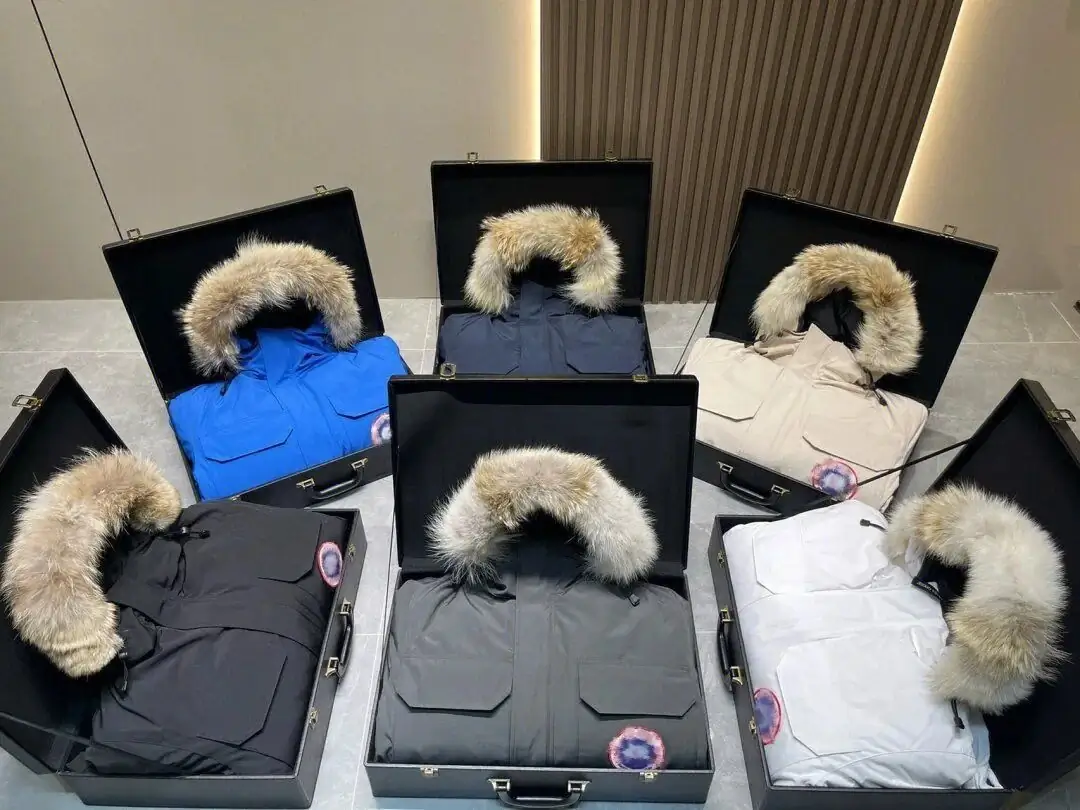
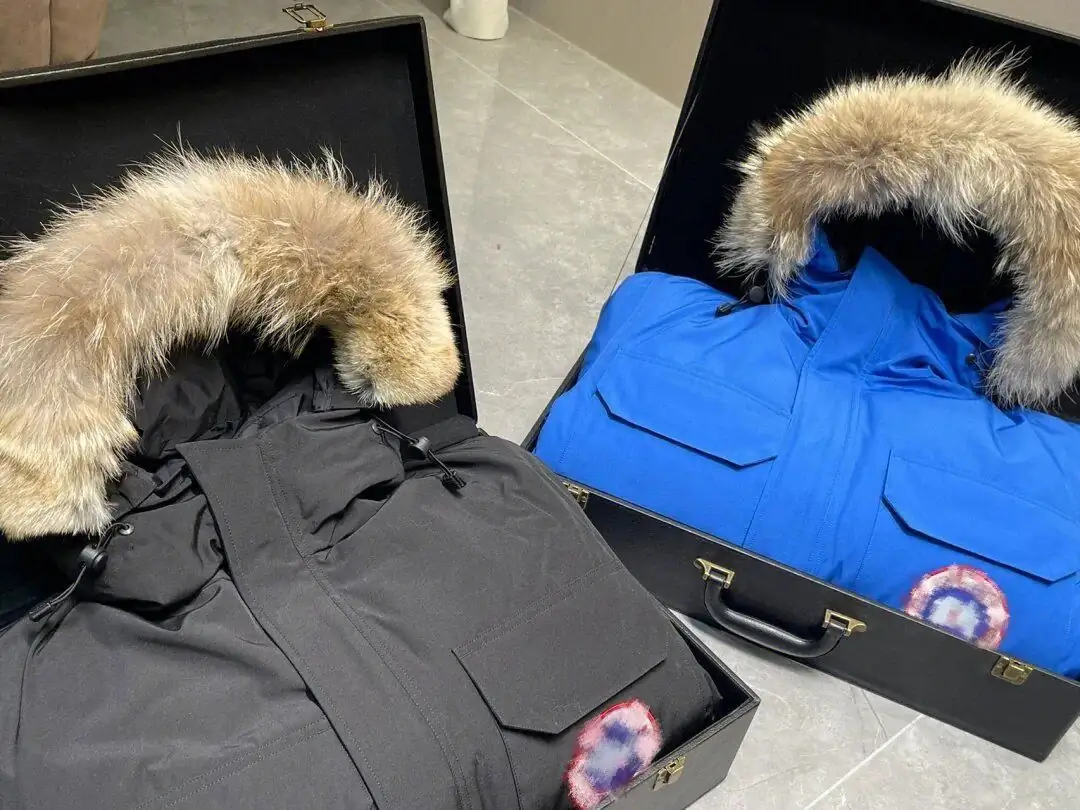
This distinctive sky blue mid-length parka provides serious arctic protection for temperatures down to -30°C, featuring 85% white duck down with 600+ …
First, check that lint filter. A dirty one is a fire risk and makes your dryer work way slower. I always give it a good clean before I throw anything in.
For down jackets, also peek inside the drum for any rough spots that might snag the fabric. A clean dryer means you won’t get any dirt or grease on your wet jacket.
Now for the secret weapon you gotta use: dryer balls. Just toss in 2 or 3 clean tennis balls or those rubber dryer balls with your jacket. They do a bunch of important jobs to get your down fluffy again, like the table shows.
Here’s why dryer balls are a must for drying your down jacket.
Function
Mechanism
Result
Physical Agitation
Bounce around, gently beating the jacket
Breaks up wet down clusters
Air Circulation
Create space between jacket and drum walls
Promotes even heat distribution and faster drying
Loft Restoration
Fluff the down from the outside
Prevents leftover damp spots and restores insulation value
Alright, let’s talk about the main part: how to tumble dry your Patagonia down jacket the right way.
First up, you gotta get the dryer temperature right.
Here’s the golden rule: you must use low heat. Patagonia is super clear about this. Why? Because high heat is bad news. It can burn the shell, mess up the seams, and worst of all, it ruins the down clusters.
That means your jacket won’t keep you as warm anymore, and that damage is permanent. So, what I do is pick a delicate or permanent press cycle and make sure the heat is on low. You’re aiming for a gentle, steady warmth—think cozy, not like a furnace.
Next key thing: you need patience and to keep an eye on it. Drying a down jacket properly isn’t fast. It might need two or three dryer cycles, sometimes even more. Don’t just start it and walk away.
I check on the jacket every twenty to thirty minutes. When I check, I feel around for spots that are still damp or cool. Pay extra attention to the seams, the collar area, and the cuffs. I also give it a good shake to fluff up the down and spread it out evenly.
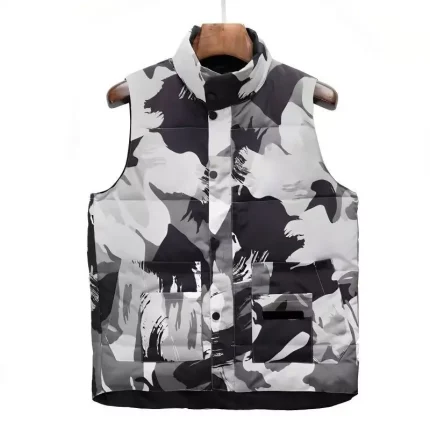
This black replica vest delivers efficient core insulation with 700 Fill Power white duck down, offering a balanced loft-to-weight ratio ideal for tra…
This is the most important final step: your jacket isn’t finished until it’s 100% bone-dry. Even one little damp spot can cause mildew. That means bad smells and it breaks down the down filling.
Here’s my test: press a part of the jacket against your cheek. It should feel warm and dry all over, never cool or clammy. Also, listen closely. If you hear a faint rustling, that’s down clumps that are still wet. When it’s fully dry, the down is silent and super fluffy.
One last pro tip for safety: sometimes the outer shell feels dry, but moisture gets trapped deep inside the thickest clumps of down. If I’m not totally sure, I’ll toss it back in for another 15 to 20 minutes on low heat with my dryer balls.
That extra time makes sure there’s no hidden moisture left. It’s how you protect your investment and keep the inside of your jacket in great shape.
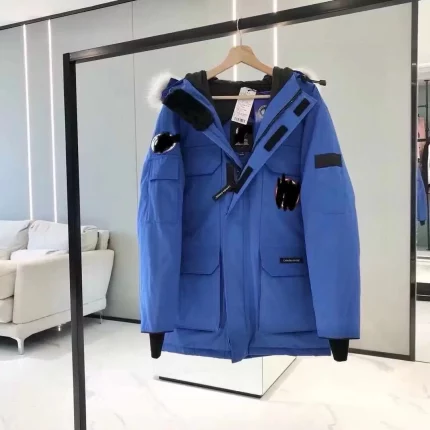
This rich royal blue mid-length parka delivers serious arctic protection for temperatures down to -30°C, featuring 85% white duck down with 600+ fill …
Core operation – Assessing the Situation: Tumble drying with those dryer balls is definitely the best way to get your loft back, but hey, air drying works too if you don’t have a dryer or your jacket just got a little damp from the rain.
Also, if your Patagonia jacket has some major repairs or isn’t filled with down, air drying is the only way you should go. Personally, I only really air dry mine for spot cleaning or after it gets caught in a light sprinkle.
Core operation – Proper Air Dryinging Technique: Here’s what I do: I lay the jacket flat on a big drying rack, or something breathable like a mesh hammock. Just keep it out of direct sun and away from heaters.
Give it a gentle reshape now and then, and remember to flip it over every so often. One super important thing: never hang a soaking wet down jacket on a hanger by the shoulders. All that wet down is really heavy and can permanently stretch out the fabric and the baffles.
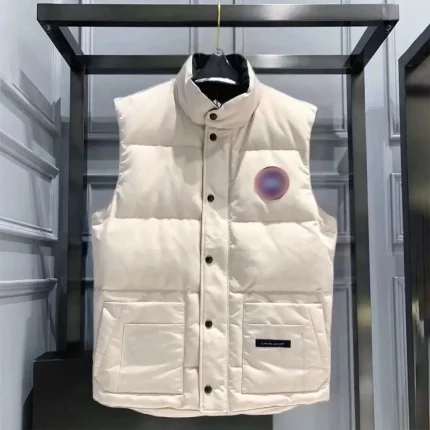
>Engineered with 700-fill power white duck down, this high-quality replica vest delivers exceptional thermal efficiency for light cold conditions.
Core operation – Acknowledging the Drawbacks: The biggest problem with air drying is that it might not dry all the way through, and then you could get mildew.
It takes forever, and without the tumbling from dryer balls, the down inside will probably stay in clumps. I usually find that an air-dried jacket needs a quick spin in the dryer with some balls afterwards to really puff up the insulation. Let’s break down the main differences between these two ways to dry your Patagonia down jacket.
Tumble Drying vs. Air Dryinging for Down Jackets
Method
Pros
Cons
Best For
Tumble Drying on Low Heat
Great for getting the loft back, it’s quicker, and makes sure every bit is dry
You need a dryer and those dryer balls, and it uses some electricity
Best after a full wash, or if the jacket got really soaked
Air Drying
Doesn’t cost a thing to run, and it’s easy on the jacket material
Takes ages, mildew is a real risk, and it doesn’t fluff the down up well
Okay for a little dampness, after spot cleaning, or if you just don’t have a dryer
Alright, so your Patagonia down jacket is dry. Now let’s talk about keeping it fluffy and storing it right.
First up, the fluffing and storage part.
Here’s my final fluffing ritual for a properly dried jacket. Once it’s totally dry, give it a good, hard shake starting at the shoulders. Then, just use your hands to gently massage any spots that look a bit flat.
kind of like what the dryer balls did. This last fluff makes sure all the down feathers are spread out evenly inside those little compartments.
Now, for storing it long-term, here’s the golden rule: don’t leave it squished in its little stuff sack for months on end. That can ruin the down’s fluffiness for good.
What I do is hang mine up loosely on a nice, wide hanger in a closet that’s cool and dry. If you really need to pack it away, grab a big cotton bag that lets it breathe. Skip the plastic bags—they’ll just trap moisture.
This vibrant bright red mid-length parka offers serious arctic protection for temperatures down to -30°C, featuring 85% white duck down with 600+ fill…
Next, let’s talk about refreshing that water-repellent coating, the DWR.
Washing and drying your jacket can wear down that DWR finish over time. You’ll know it’s time for a refresh when water soaks in instead of beading up and rolling right off. A quick test is to just sprinkle a few water drops on the sleeve or chest.
To reapply the DWR, first make sure your jacket is clean and bone dry. Then, grab a DWR spray or wash-in made for technical gear and follow the directions on the bottle.
I usually do this outside or in a well-ventilated spot, spray it on evenly, and then toss it in the dryer on low heat for about 20 minutes. This heat helps wake up the coating. This brings back that awesome water-beading ability, which is a huge part of what makes Patagonia shells so great.
Featuring high-loft 700-fill power white duck down, this versatile vest delivers premium thermal insulation for cool to cold conditions.
Let’s talk about your warranty and getting pro care for your jacket.
First up, understanding Patagonia’s ironclad guarantee.
Here’s what you need to know about what’s covered. Patagonia’s famous warranty has you covered for any material or workmanship flaws, basically for the life of the product.
But here’s the key part: if you damage it by not caring for it right—think high heat, bleach, or the wrong detergent—that’s not on them. So, sticking to this drying guide is a smart move to keep that warranty intact.
They’ve also got a pro repair service for normal wear and tear. I sent in a jacket with a torn sleeve once, and they fixed it up perfectly.
When should you get it professionally cleaned? If it’s really dirty, has tough stains, or you just don’t feel confident doing it yourself, Patagonia says go pro. My tip? Find a cleaner who knows their way around technical gear and down jackets.
They’ve got the heavy-duty machines and special soaps to get it really clean without harming the down or that water-resistant coating.
Engineered for extreme conditions, this High-Quality replica utilizes advanced synthetic insulation rated to 650+ fill power equivalence, delivering e…
Next, check out Patagonia’s Worn Wear and Repair program.
Got a damaged jacket? Their Worn Wear repair program is a fantastic resource. You can either mail it to them or drop by a store to have them look at it.
I’ve had them replace zippers and patch up small tears for me, which added years to my jacket’s life. It fits right in with their goal to cut down on waste, and it’s usually cheaper than buying a brand new one.
What if your jacket is totally done for? Patagonia’s Common Threads Initiative has a recycling program for that. They can take it apart and even salvage the down to use again. This last step really shows their commitment to the planet. Honestly, that’s a huge reason I buy their stuff.
Let’s get back to drying. Doing it right is the single most important thing you can do at home. It decides how warm your jacket stays, how long it lasts, and how well it performs. Stick to low heat, use dryer balls, and make sure it’s bone-dry.
You’ll protect your investment and do a solid for the environment by keeping your gear going for ages. Just remember, a bit more time in the dryer now means you won’t be stuck with a cold, lumpy jacket out on the trail later.
So now you know the secret to a super fluffy jacket! I’d love to hear how it goes for you. Ever tried the tennis ball trick? Drop your own down jacket care tips in the comments! Or if you’re about to wash yours, save this guide and tell me how it turns out!
Engineered for high-altitude thermal retention, this vest's 700-fill power down provides exceptional loft and warmth-to-weight ratio
Got questions about drying your Patagonia down jacket? Here are the answers.
So, can you toss your Patagonia down jacket in the dryer?
Yes, you definitely should! Just make sure you use the dryer on low heat. Patagonia actually recommends tumble drying it with some clean dryer balls or even a couple of tennis balls.
This helps break up any wet clumps of down, gets the jacket completely dry all over, and—most importantly—brings back its fluffiness and warmth. Whatever you do, stay away from high heat.
Engineered for light-cold conditions down to -5°C, this parka features 550 Fill Power white duck down, offering exceptional thermal efficiency and lof…
How long will drying your Patagonia down jacket take?
Get ready, it’s not a quick job. After a good wash, it usually needs 2 or 3 full cycles on low heat. That can mean anywhere from an hour and a half to three hours total.
The exact time depends on how big the jacket is, how much water you got out after washing, and how well your dryer works. Don’t try to rush it. The key is to check for any damp spots every half hour until you’re sure it’s totally dry.
This long, hooded parka is designed for serious winter conditions. Filled with 50% white goose down, it provides substantial warmth for daily commutes…
Air drying is risky. If the jacket doesn’t dry all the way through—which is tough to do inside—you could end up with mildew. Plus, without that tumbling in the dryer, the down will stay clumped together and flat, so it won’t keep you nearly as warm.
If you really have to air dry it, finish the job with a quick, low-heat tumble in the dryer with some balls to fluff it back up.
Will putting it in the dryer wreck the water repellent coating?
Drying it properly on low heat won’t hurt the DWR (that’s the durable water repellent) finish. Actually, a little heat from the dryer can even help bring it back to life. But over time, washing and wearing it a lot will wear down that DWR coating.
If water stops beading on the surface, you can fix it. Just spray on a technical DWR treatment and then toss it in the dryer on low for about 20 minutes to set the spray.