We’ve all been there – that awful feeling when coffee splashes right onto your favorite Patagonia puffer jacket. I’ve fixed gear for more than ten years, so I’ve seen it all: jackets cleaned right, cleaned wrong, and totally wrecked from bad washing. It’s not just about washing it. The real goal is keeping your jacket’s fluffiness, warmth, and making it last for years. This guide clears things up. It mixes Patagonia’s own advice with tips I’ve learned the hard way. You’ll get your jacket out of the wash fluffy and strong, not flat with clumpy down.
Core Operation: Decode the care label and assemble supplies.
First thing, don’t get it wet yet. Find that permanent care label inside your jacket. Patagonia usually says it’s okay to machine wash, but you gotta use the right soap.
You’ll need a few things: a front-loading washer is best because the agitator in a top-loader can be rough. Grab a down-specific cleaner, like Nikwax or Grangers Down Wash. Also, get a couple of clean tennis balls or dryer balls ready.
Skip your regular laundry detergent. It leaves behind gunk that strips the down’s natural oils and ruins the water-repellent coating on the jacket’s shell. I found this out the hard way years ago. A client’s jacket totally lost its ability to shed water after one wash with normal soap.
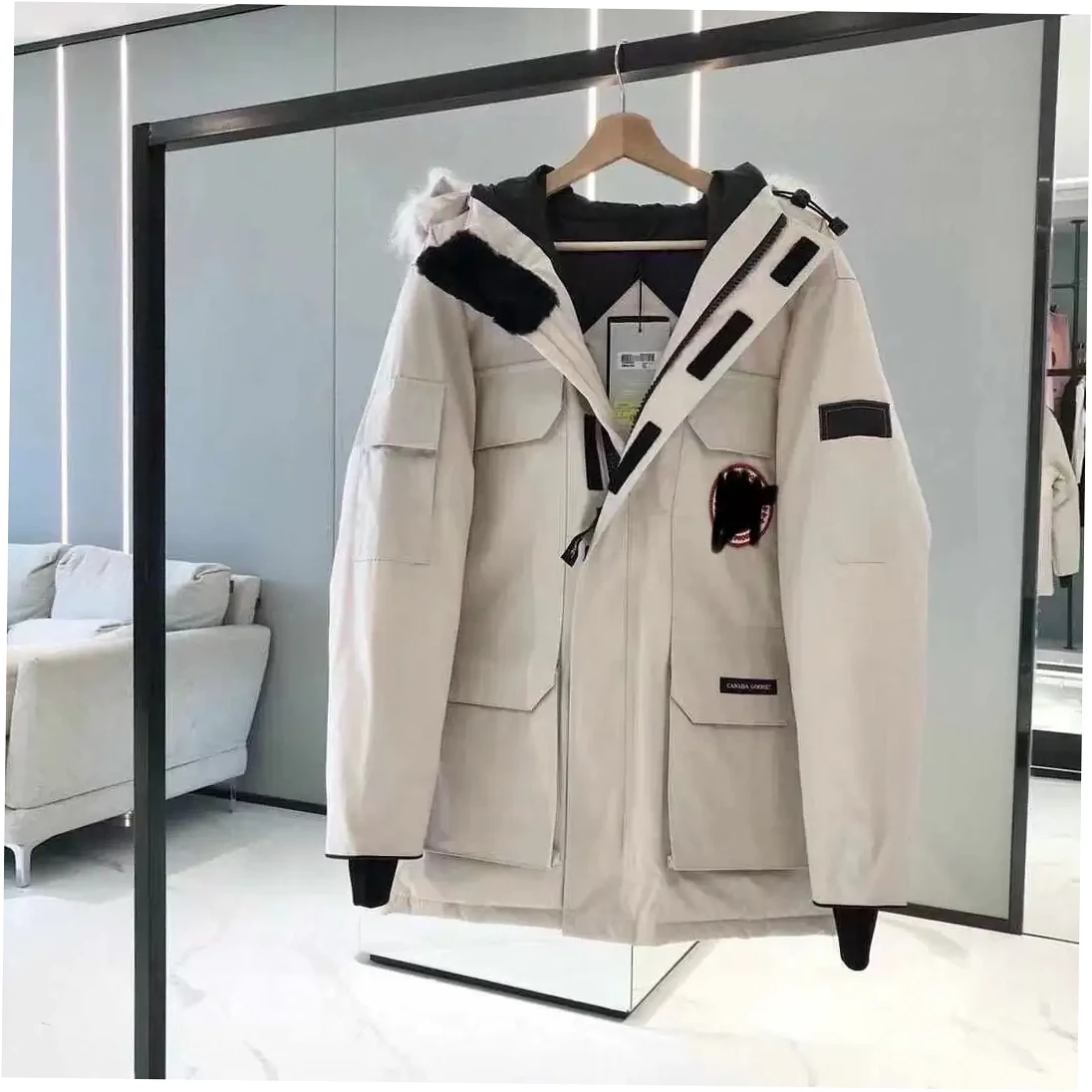
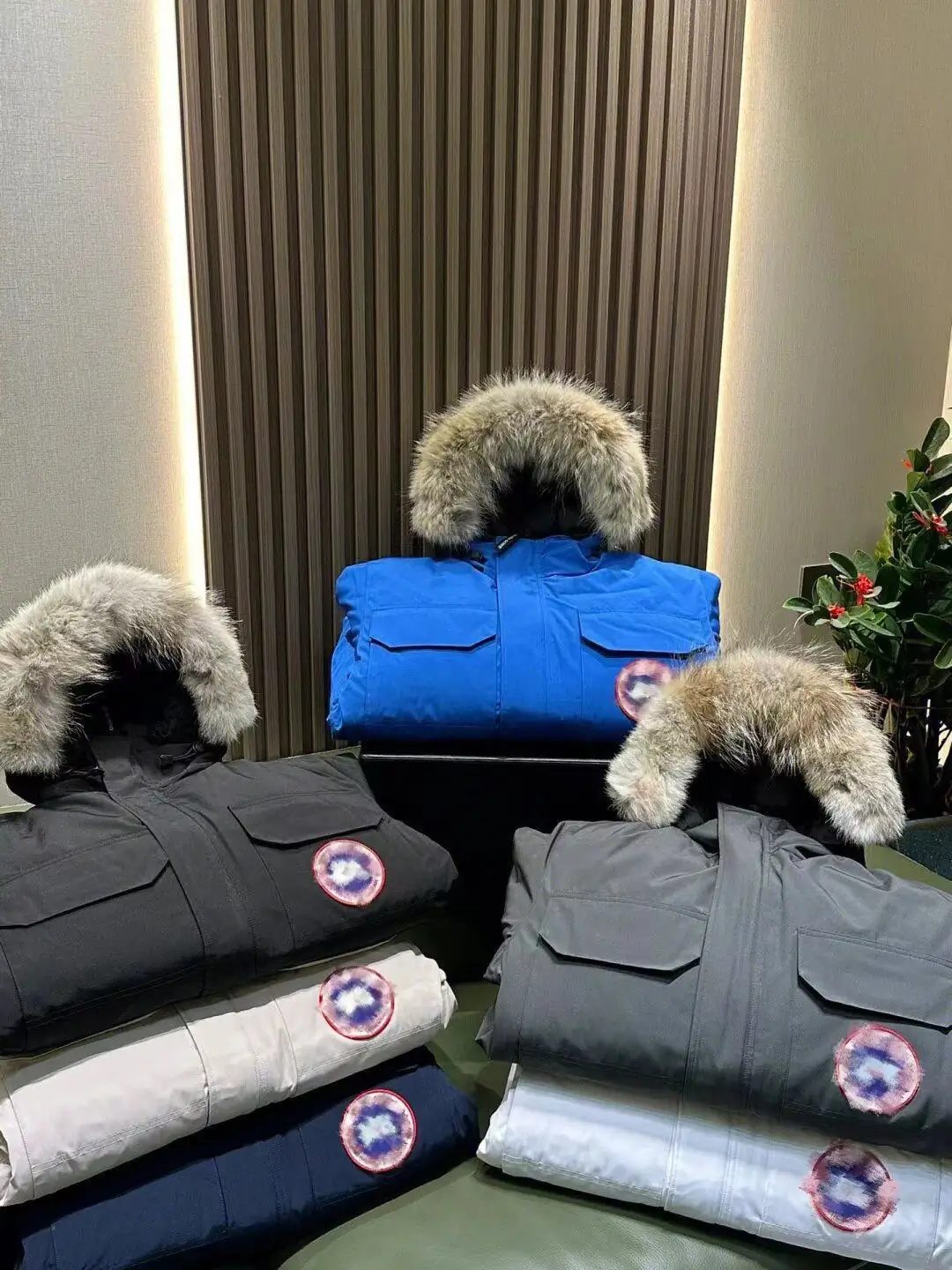
This distinctive sky blue mid-length parka provides serious arctic protection for temperatures down to -30°C, featuring 85% white duck down with 600+ …
Essential Pre-Treatment for Stains and Soiled Areas
Core Operation: Spot treat stains before the main wash.
Take a good look at your jacket. Check for any dirty spots, oil marks, or stains, especially around the cuffs and collar. Put a little bit of your down wash right on those spots.
Then, gently rub the fabric together. Let it soak in for about 10 to 15 minutes. Doing this first means the main wash can handle all the general dirt, and you won’t be left with any stubborn stains. Got a tough grease stain?
You really need that special down cleaner. Regular household stain fighters are too harsh and can wreck the jacket’s delicate nylon shell.
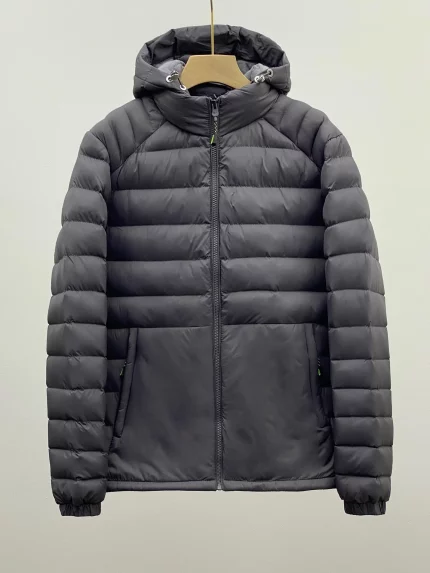
This black replica vest delivers efficient core insulation with 700 Fill Power white duck down, offering a balanced loft-to-weight ratio ideal for tra…
Here’s your step-by-step guide to washing your Patagonia down jacket.
First up, let’s get your machine settings and detergent right.
The main goal is to set your washer for a gentle but effective clean.
Before you start, zip up all the zippers, fasten any Velcro, and double-check that the pockets are empty.
Then, pop your Patagonia down jacket into the drum of a front-loading washer. Choose the gentle or delicate cycle. Use cold or warm water, but never hot water—it can really harm the down filling and the jacket’s fabric.
If your machine has the option, go for an extra rinse cycle. This makes sure all the soap gets washed out. For the detergent, use a special down wash. Just pour the right amount (usually about a capful) straight into the drum with the jacket.
Don’t use the detergent drawer—this helps the soap spread around better. Here’s a handy cheat sheet for your washer settings:
The best settings for washing your down jacket
What to set
What to pick
Why it works
Cycle Type
Gentle or Delicate
It’s easier on the seams and material.
Water Temperature
Cold or Warm (don’t go above 30°C or 86°F)
This keeps the down clusters and the jacket’s outer coating safe.
Spin Speed
Low or Extra Low
A high spin can damage the baffles (the stitched sections that hold the down), so keep it slow.
Rinse
Extra Rinse Cycle
It gets all the soap residue out, which is super important.
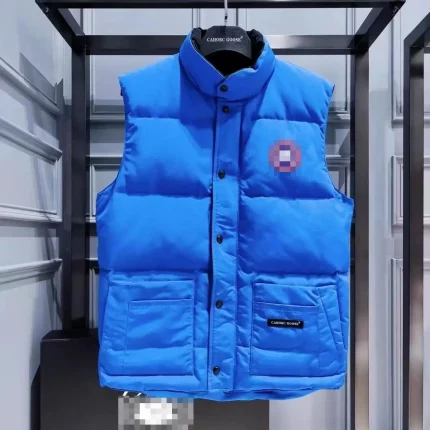
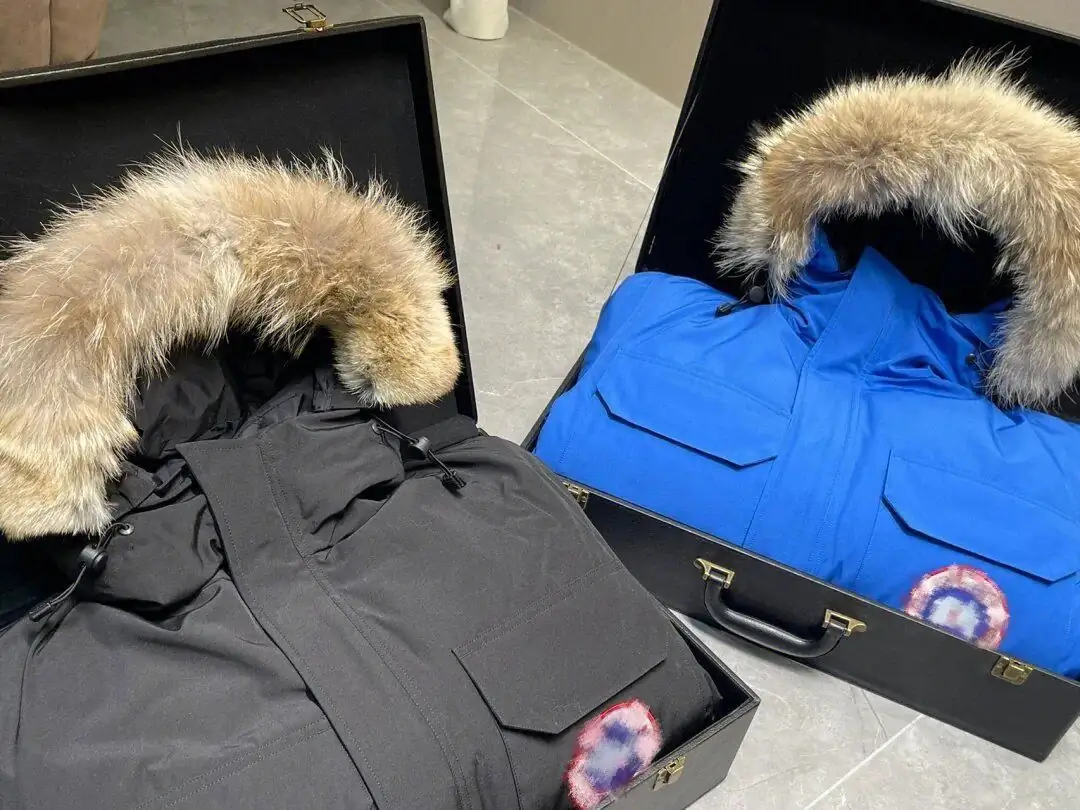
This rich royal blue mid-length parka delivers serious arctic protection for temperatures down to -30°C, featuring 85% white duck down with 600+ fill …
Let’s talk about drying your Patagonia down jacket and getting it fluffy again.
Here’s the key part: dryer balls and low heat are super important.
The main thing you gotta do is toss it in the dryer with some balls, on the low heat setting.
This step is the absolute best way to bring back your jacket’s cozy warmth. As soon as it’s washed, get that wet jacket into the dryer.
Throw in two or three clean tennis balls or those special dryer balls. They’ll bounce around and break up all the wet, clumpy down. Make sure your dryer is on low heat, or even the air fluff or no-heat cycle.
Don’t use high heat! It can damage the jacket’s shell and even burn the delicate down inside. Dry it for about 30 minutes at a time. Stop it, check inside, and pull apart any leftover clumps you find. You’ll need some patience here. Getting it completely dry might take a good 2 to 3 hours.
>Engineered with 700-fill power white duck down, this high-quality replica vest delivers exceptional thermal efficiency for light cold conditions.
Making sure your Patagonia jacket is totally dry and puffy.
The goal here is simple: make sure every bit of that jacket is bone dry.
Even if the outside feels dry, the down inside the little pockets can still be damp. That’s a recipe for mildew.
To check, stick your hand deep into one of the quilted sections, like the center of the back. If it feels even a little cool or damp, it needs more time in the dryer.
When it’s finally all dry, run it on air fluff for another 20 minutes with the balls. This fluffs it up perfectly. Before you put it away, hang it up somewhere with good air flow for a few hours. This lets any dryer smell fade away.
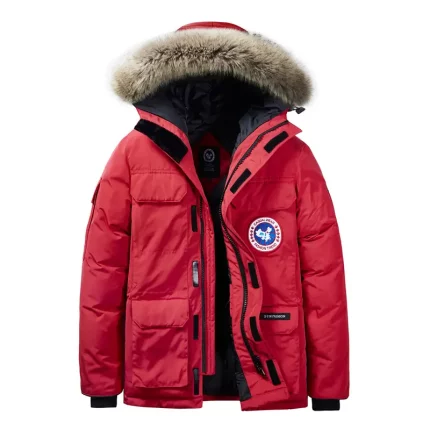
This vibrant bright red mid-length parka offers serious arctic protection for temperatures down to -30°C, featuring 85% white duck down with 600+ fill…
Alright, so you’ve washed your Patagonia down jacket safely. Now let’s talk about what comes after.
First up, you’ll want to reapply the DWR coating. That’s the durable water repellent.
The main goal here is simple: get that water-beading superpower back.
Here’s the thing: even a super gentle wash wears down the factory DWR. So, after your jacket is all clean and completely dry, it’s time to bring back the water beading.
Grab a DWR treatment made for gear like this—Nikwax TX.Direct is a good one. You can spray it on or wash it in. Spray it evenly over the outside, then follow the directions. Most times, you just need a quick tumble in a warm dryer to set it.
This isn’t optional if you want your jacket to stay weatherproof. It’s a standard step the pros always do for down care.
Featuring high-loft 700-fill power white duck down, this versatile vest delivers premium thermal insulation for cool to cold conditions.
Next, storing your jacket right is key for keeping it fluffy.
The golden rule: never squash it for a long time.
Don’t leave it rolled up tight or stuffed in its little sack for months. That crushes the down for good and ruins its loft. What you should do is hang it up in a cool, dry closet.
Use a wide, padded hanger if you can. If you really need to pack it away, toss it in a big, breathable cotton bag instead. Oh, and a pro tip: every few months, take it out, give it a good shake, and fluff it up. This keeps the down from clumping and helps it last.
Engineered for extreme conditions, this High-Quality replica utilizes advanced synthetic insulation rated to 650+ fill power equivalence, delivering e…
Let’s talk about common mistakes and how you can steer clear of them.
Here’s what you should never do with your Patagonia down jacket.
The main goal here is to spot and dodge those habits that can wreck your jacket.
Repair shops see the same problems all the time. The big ones? Using regular laundry soap, washing with hot water, forgetting the dryer balls.
and laying it flat to dry—that just makes the down clump up. Another huge no-no is dry cleaning, unless the tag specifically says it’s okay. Those strong chemicals can strip away the down’s natural oils. And stay away from the iron or any direct heat on the jacket, particularly on the taped seams.
Engineered for high-altitude thermal retention, this vest's 700-fill power down provides exceptional loft and warmth-to-weight ratio
Figuring out the damage and knowing when to call in the pros.
The key is knowing when a DIY fix just won’t cut it.
Got a lot of down leaking out from torn baffles? A zipper that’s busted? Or really tough stains from stuff like tree sap or grease? That’s when you need a pro to take a look.
Good news is, Patagonia’s Ironclad Guarantee often covers repair costs for damage. Their Worn Wear program is also a fantastic place to get help. For small, quick fixes, a patch of tenacious tape can work as a temporary solution.
Here’s a quick guide on what you can fix yourself and what needs a professional.
Issue
DIY Fix
Professional Repair Needed?
A small tear in the seam
Try a patch of Tenacious Tape.
Probably not, unless it gets bigger.
A lot of down leaking out
You might contain it with tape for now.
Yes, you’ll likely need a pro to fix the baffle.
The main zipper is broken
There’s not much you can do yourself.
Yes, a professional should replace it.
Really bad, set-in stains
You could try a pre-treatment.
Yes, they have the tools for specialized cleaning.
Engineered for light-cold conditions down to -5°C, this parka features 550 Fill Power white duck down, offering exceptional thermal efficiency and lof…
Let’s talk about Patagonia’s warranty and how they help you care for your gear.
First, you gotta understand their ironclad guarantee.
Here’s the main idea: make good use of Patagonia’s repair and warranty services.
Their famous guarantee says they’ll fix anything with a manufacturing defect, for as long as the item is usable.
That covers problems like seams coming apart or insulation that’s not working right. But normal wear and tear isn’t covered. Neither is damage from taking care of it wrong, like burns from too much heat.
The good news is, their repair team will often fix your gear for a fair price. That’s better for the planet than just throwing it out and buying new. Before you send anything in, always check their website first. Grab the latest repair form and read the instructions.
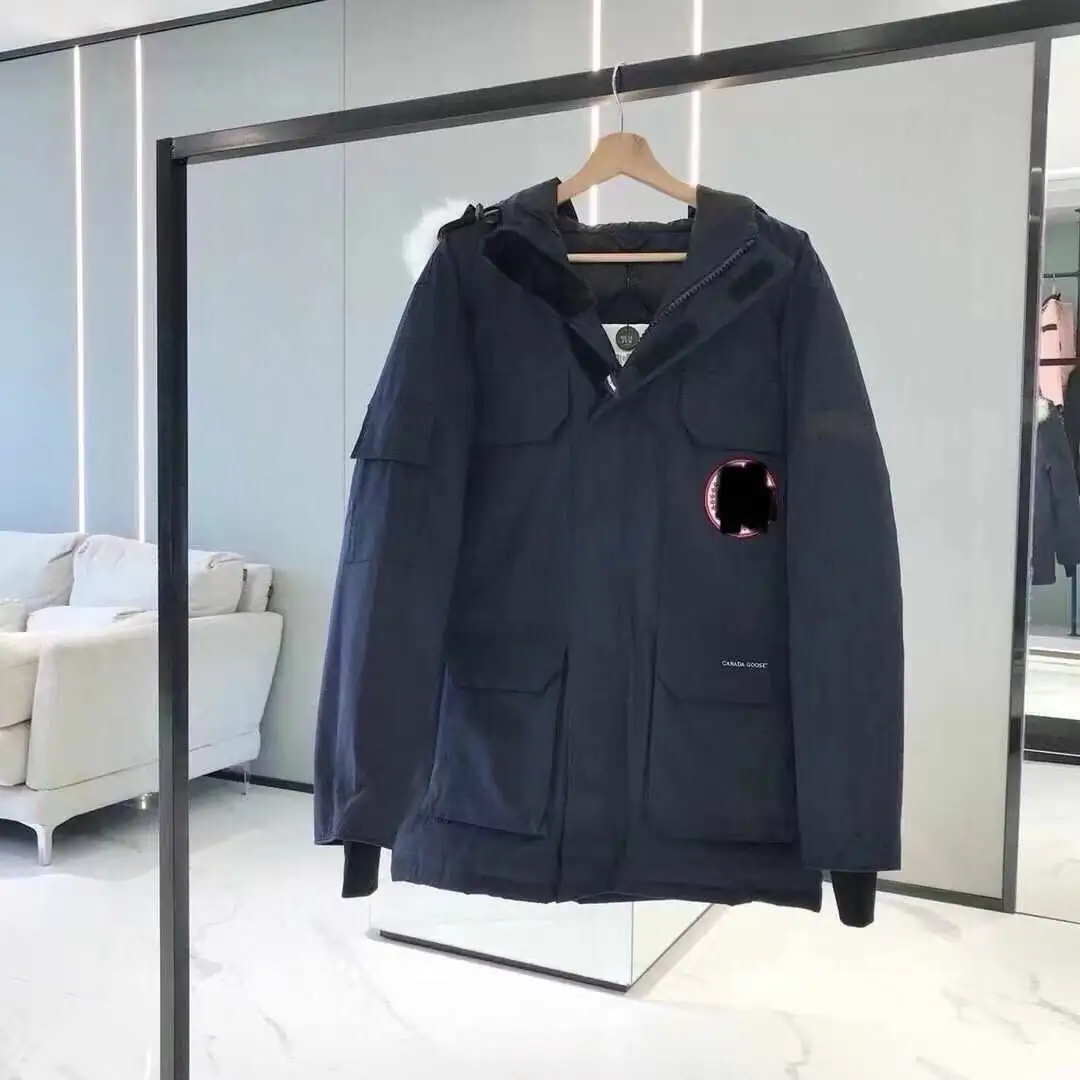
This long, hooded parka is designed for serious winter conditions. Filled with 50% white goose down, it provides substantial warmth for daily commutes…
Next, use their Worn Wear program and other official help.
The goal here is to tap into Patagonia’s whole system for taking care of your stuff.
It’s not just about washing. Their Worn Wear site has tons of care guides, sells used gear, and even lets you trade in your old stuff.
Got a specific question? Their customer service folks really know their stuff. I always tell people to check out the official Care Repair section online. It’s got videos and guides made for different products.
This way, you know your cleaning method is spot-on for your jacket’s specific materials and how it’s built.
Washing your Patagonia down jacket the right way brings it back to life and makes it last for way more adventures. Just follow these steps: use the right cleaner, toss in some dryer balls, and reapply the DWR coating.
What seems like a big hassle becomes an easy routine. And remember, taking good care of your gear is the best way to be sustainable.
Got questions about safely washing your Patagonia down jacket? Here are some answers.
Can I just use my regular laundry detergent on my Patagonia down jacket?
Nope, steer clear of regular detergents. Regular ones often have additives, brighteners, and softeners. These can leave behind a residue that strips the down’s natural oils, makes the down clump together.
and even damages the water-resistant coating on the jacket’s outer fabric. You should always go for a technical cleaner made specifically for down. It’s designed to rinse out completely and keep your jacket performing well.
So, how often do I really need to wash my down jacket?
Only wash it when you really need to. That usually means once a season, or if it looks dirty or has gone flat and lost its puffiness. Washing it too much just wears it out faster for no good reason.
Between full washes, just spot clean any stains and give it some fresh air. Storing it the right way actually helps it last longer than washing it all the time.
Is it okay to toss my down jacket in the dryer?
Yes, and it’s not just safe—it’s actually a must-do step. Tumble drying on a low heat setting with a couple of dryer balls is the best way to make sure the down gets completely dry and fluffy again.
If you just lay it flat to air-dry, the down inside the pockets will stay damp and clump together for good.
What if my jacket comes out of the wash all clumpy?
That usually means it didn’t get dry enough, or the down didn’t get tossed around enough while drying. Just throw it back in the dryer on low heat. Add two or three clean tennis balls or dryer balls. Run it through a few cycles.
Between cycles, break up any clumps you find by hand. Keep going until the down is totally dry and fluffy all the way through.