Is 650 Fill Power Down Warm for Winter?
Winter’s coming, and a lot of folks—whether they’re into the outdoors or just commuting—start wondering: is a 650 fill power down jacket warm enough for winter? Well, it’s not a simple yes or no answer. It really comes down to a few things: how cold your winters get, how active you’ll be, and how well you handle the cold yourself. So, let’s talk about what 650 fill power down is really like. We’ll see how it stacks up against higher fill powers and figure out when a 650-fill down jacket is a great pick for winter warmth, and when it might fall short. We’ll look at how it performs in real life, the best ways to layer with it, and other big factors—like the jacket’s temperature rating and how well it’s made. All this decides if that 650-fill down jacket becomes your go-to winter buddy.
Table of Content
- Understanding Down Fill Power and Winter Warmth
- Warranty and After-Sales Support Considerations
- Conclusion and Final Verdict
- Ready to find your perfect winter layer?
- FAQ: 650 Fill Down for Winter
Let’s talk about down fill power and how it keeps you warm in winter.
So, what does 650 fill power really mean?
Here’s the core idea: fill power measures how well down lofts up, not how heavy it is. More specifically, it tells you how much space one ounce of that down puffs up to.
So, a 650 fill power rating means one ounce of that down can puff up to fill 650 cubic inches when tested. The more it lofts, the more tiny air pockets it traps, and that’s what really keeps the heat in.
That loft is super important for winter warmth. A 650-fill down jacket provides good warmth-to-weight ratio, often making it a versatile and more affordable option compared to premium 800 fill garments. But don’t think its warmth is a sure thing all by itself. It’s just one part of the whole system.
Here’s a practical tip for shopping: don’t just look at the fill power number alone. A jacket’s overall warmth comes from both the fill power AND how much down is actually stuffed in there.
A jacket with 650 fill power that’s packed with down can actually be toastier than a thin jacket with 800 fill power. Always check the specs for both numbers to really know if it’ll be warm enough for winter.
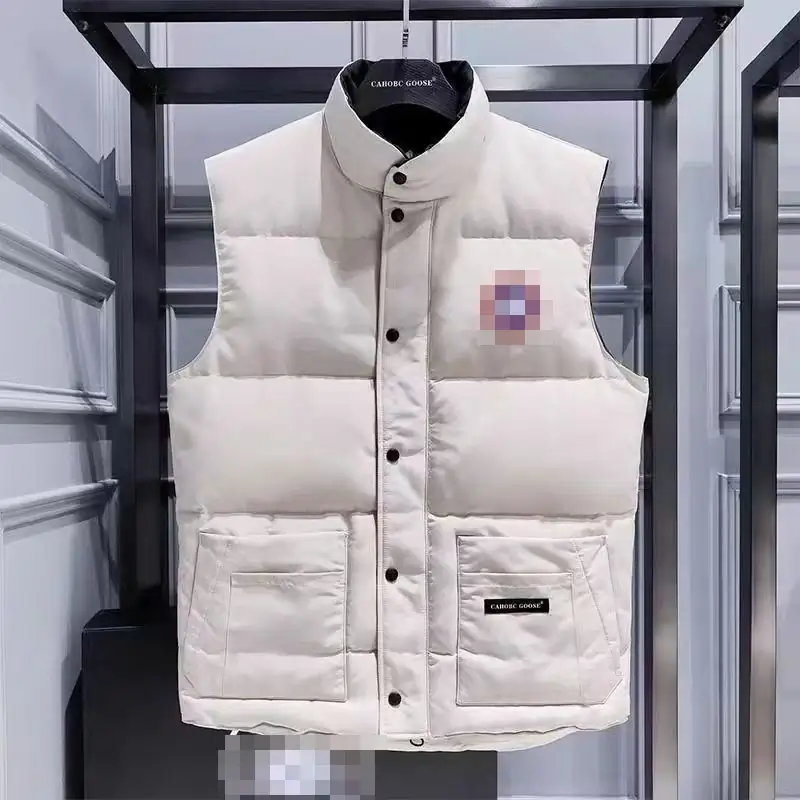
This high-quality replica down vest is insulated with premium white duck down boasting a high 86-90% down cluster content, providing exceptional warmt…
View Product →
Other big things matter too, like how it’s made and the fabric.
Take the construction. How the down is held in place makes a huge difference in warmth. With sewn-through baffles, where the inside and outside are stitched together, you get cold spots where heat leaks out.
For real winter weather, look for box baffle designs or ones with overlapping layers inside to block those cold spots. This kind of build, often used with 650 fill down, really boosts the warmth, making it good for pretty chilly days.
Then there’s the shell fabric. How well a 650 fill jacket works totally depends on its outer layer. A thin shell that lets wind through will just suck the warmth right out, no matter how good the down is.
For winter, go for a shell with a good water-repellent finish and a tight weave to stop the wind. Some jackets even add Synthetic insulation in spots like the shoulders to help out when the down gets wet. Remember, if the shell fails and gets soaked, the down flattens and you lose all your insulation.
Now, about temperature ratings and real winter use.
Crafted for optimal warmth-to-weight ratio, this high-visibility replica vest utilizes 270g of 90% white duck down, providing superior loft and therma…
View Product →
What’s the typical comfort range for 650 fill?
As a general rule, most 650 fill jackets feel nice and warm when you’re just walking around or commuting in dry cold, say from about 30 to 45 degrees Fahrenheit. That makes them perfect for fall, early winter, and spring in a lot of places.
But that’s just a starting point. Your own body, what you wear underneath, and how windy it is can change that range a lot. For example, just standing around in 35-degree weather with a breeze might feel cold, but hiking in the same temp with a good 650-fill jacket could make you sweat.
Layering is the key. A 650-fill jacket really shines in winter when you use it as part of a layering system. When it’s below freezing, putting on a good base layer and a fleece under your 650-fill jacket can keep you comfy down into the 20s.
This versatility is a huge plus, letting you adapt as you move around or as the weather changes all day.
Here’s a rough idea of the comfort ranges you can expect from a 650 fill down jacket.
| Activity Level |
Temperature Range (Dry Conditions) |
Recommended Layering |
| Static (Standing, waiting) |
40°F – 50°F (4°C – 10°C) |
Base Layer 650 Fill Jacket |
| Light Activity (Walking, commuting) |
30°F – 45°F (-1°C – 7°C) |
Base Layer Light Mid-Layer 650 Fill Jacket |
| Moderate Activity (Hiking, snow play) |
20°F – 35°F (-7°C – 2°C) |
Base Layer Fleece Mid-Layer 650 Fill Jacket |
| High Activity (Skiing, intense exertion)* |
10°F – 25°F (-12°C – -4°C) |
Base Layer Only, with jacket vented or removed |
*At high activity levels, a 650-fill jacket may be too warm as an outer layer; it often works better as an insulating layer worn during breaks.
How does 650 fill stack up against higher fills for winter?
This high-quality replica vest delivers authentic thermal performance with 280g of premium 90% white duck down,
View Product →
650 Fill vs. 800 Fill: Let’s talk warmth, weight, and cost.
It’s all about a trade-off between warmth and weight. The main difference is efficiency. To get the same amount of warmth, an 800-fill jacket needs less actual down by weight than a 650-fill one.
That makes the 800-fill jacket lighter and easier to pack down, which is awesome for backpacking or travel. In winter, an 800-fill jacket could mean a slimmer fit that’s just as warm, or even warmer without being bulkier.
But for most everyday winter stuff, the extra weight of a 650-fill jacket isn’t a big deal, and it’s plenty warm enough.
Now, cost. Down is graded. Higher fill power means rarer, bigger, and tougher down clusters. That scarcity makes it pricier. A 650 fill power down jacket is typically significantly more affordable than an equivalent 800 fill counterpart.
If you’re watching your budget or just need a tough jacket for winter chores like shoveling, a well-made 650-fill jacket gives you great warmth and value without the high cost.
Engineered for versatile cold-weather performance, this deep blue replica vest utilizes 260g of 90% white duck down with high loft retention
View Product →
When should you pick 650 fill down over synthetic insulation?
For dry, cold winters, down (even 650 fill) is king. It lasts longer and is warmer for its weight. With the right care, it’ll stay puffy and warm for years.
Synthetic insulation is better when wet, but it tends to go flat and lose warmth faster after being packed down a lot. If you’re mostly dealing with deep, dry cold and don’t need to pack it super small, 650 fill down is a tough and effective choice.
Think about what you’ll be doing. If your winter fun makes you sweat a lot, or you’re in a damp climate, synthetic’s moisture resistance might be the safer bet.
But for everyday use, city life, or skiing in dry snow where you can layer smartly, a 650-fill down jacket with a good water-resistant shell is a great and comfy winter insulator.
From my own experience winter hiking in the Rockies with a 650-fill jacket, it was plenty warm with layers, and it held up way better under backpack straps than my flimsier high-fill jacket.
How to get the most winter warmth out of your 650 fill jacket.
This cream-colored vest utilizes premium 700-fill power white duck down to deliver exceptional warmth-to-weight ratio performance.
View Product →
Key layering tricks for cold weather.
First, manage your base layer. Your jacket is only as good as what you wear under it. Start with a base layer that pulls sweat away, like merino wool or synthetic. If your base layer is damp, you’ll feel cold no matter what jacket you have on.
When it’s really freezing, add a mid-layer like a fleece or a light puffy. It adds crucial warmth and makes the whole system more flexible. You can take the 650-fill jacket off when you’re working up a sweat, then throw it right back on when you stop to keep your core warm.
Don’t forget your head, hands, and feet! You lose the most heat from there. Wearing a warm hat, insulated gloves, and good socks with your jacket is a must for full winter comfort. Your jacket only warms your core.
If your hands and feet are cold, you’ll feel cold all over. Look for a jacket with a high collar or a built-in hood to block wind from your neck and head. It makes a huge difference in how warm your 650-fill jacket feels.
This high-quality replica vest utilizes 700-fill power white duck down to deliver a superior warmth-to-weight ratio
View Product →
How to take care of it to keep it puffy.
Washing and drying it right is key. The biggest way to ruin down’s puffiness is by cleaning it wrong. Body oils and dirt make the down clump together, so it can’t trap air well.
Wash your 650-fill jacket 2-3 times per season using a front-loading washer on gentle cycle with a technical down-specific detergent (like Nikwax Down Wash). The critical step is thorough drying.
Use low heat in a large dryer with 2-3 clean tennis balls or dryer balls to break up clumps. This process can take several hours but is essential to restore the jacket’s original loft and winter warming power. I learned this the hard way after my jacket lost warmth until a proper wash revived it.
Storage for Longevity: Never store your down jacket compressed in its stuff sack for long periods. This permanently damages the down clusters structure.
For off-season storage, hang it loosely in a cool, dry closet or use a large breathable cotton storage bag. This ensures the down remains lofted and ready to deliver maximum warmth when next winter arrives.
Making the Final Decision: Is 650 Fill Right for Your Winter?
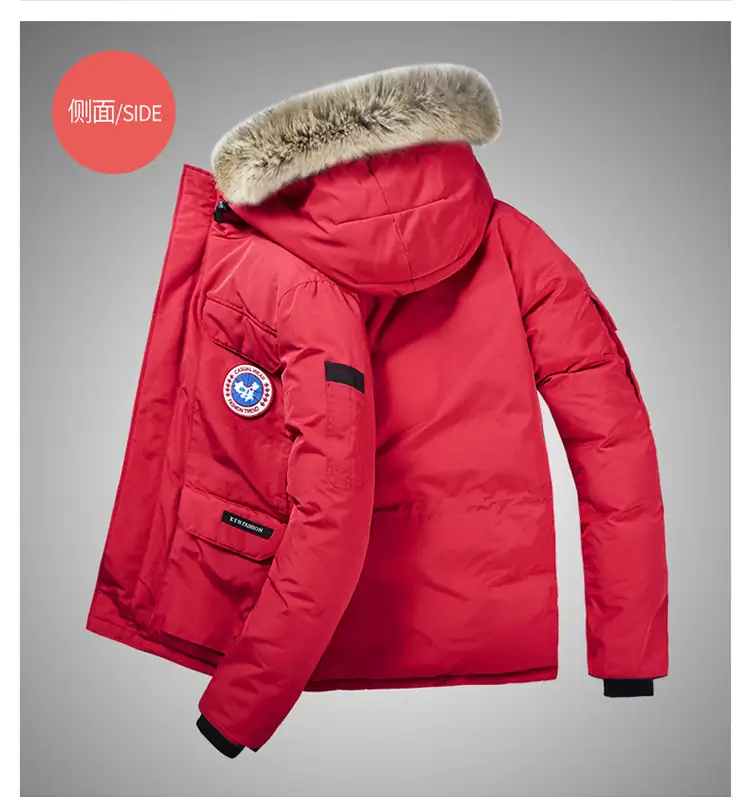
This replica hooded parka delivers impressive thermal performance, leveraging high-loft synthetic fill to trap body heat effectively.
View Product →
Assessing Your Personal Winter Needs and Climate
Climate and Humidity Analysis: Honestly evaluate your local winter. Is it a dry, cold continental climate or a damp, chilly coastal one? For dry cold, 650 fill down excels.
For wet, slushy winters, you must be diligent about the shell’s DWR and may want to consider a synthetic-lined model. Also, consider wind: if you face constant winter winds, prioritize a jacket with a robust, wind-resistant face fabric, regardless of the fill power inside.
Activity and Lifestyle Fit: Are you mostly commuting from car to building, or are you planning winter hikes? For low-output activities, you might need the inherent warmth of down.
For high-output activities, a 650-fill jacket might be part of a layering system where you’ll frequently remove it. Its affordability also makes it a great choice for a beater winter jacket for chores and casual use, saving your high-tech gear for adventures.
Decision Matrix: Is a 650 Fill Down Jacket Right for You?
| Your Winter Profile |
650 Fill Down is a GREAT Fit If… |
Consider a Higher Fill or Synthetic If… |
| Budget |
You seek excellent value and robust warmth. |
Budget is no object and you prioritize minimal weight. |
| Climate |
You experience dry cold, or occasional wetness you can manage. |
You face persistent rain, wet snow, or high humidity. |
| Activity |
Your activities are low-to-moderate intensity or you layer effectively. |
You engage in high-exertion activities in cold, wet conditions. |
| Priority |
You value durability, affordability, and versatile warmth. |
Your top priorities are ultra-lightweight packability or extreme cold performance. |
Warranty and After-Sales Support Considerations
So, you’re thinking about getting a 650 fill down jacket for winter? Here’s a tip: go with a brand that’s got a solid reputation. You want one known for making good stuff and taking care of its customers. A lot of the top outdoor brands actually back their products for life. Their lifetime warranties cover any flaws in the materials or how the jacket was put together. Just know the difference, though. That warranty is for manufacturing problems. It won’t cover normal wear and tear, or if you accidentally ruin it by not washing it right. Some companies are even cooler—they’ll let you try the jacket out for real. They might have a 60-day satisfaction guarantee, so you can actually wear it in the cold and see if that 650 fill down is warm enough for your winter. Before you buy, always take a minute to check two things: the care instructions and the fine print on the warranty. That way, you’ll know how to keep your jacket in good shape and what kind of help you can get later on if you need it.
This black replica vest delivers efficient core insulation with 700 Fill Power white duck down, offering a balanced loft-to-weight ratio ideal for tra…
View Product →
Conclusion and Final Verdict
Alright, let’s get to the big question: is 650 fill power down actually warm enough for winter? For most folks and most winter situations?
Absolutely yes. It gives you solid, dependable warmth for your daily chill, your commute, or even some light outdoor fun. This is especially true if you layer it up smartly.
Where it really shines is in its great value, how long it lasts, and how well it handles dry cold weather. Now, don’t expect it to be your only layer on an arctic trip, and it’s not the absolute lightest for serious mountain climbing.
But think of it as the reliable workhorse of your winter gear. Just know what it can and can’t do, layer it right, and take good care of it. Do that, and a 650-fill down jacket can be a key piece in your winter closet for years.
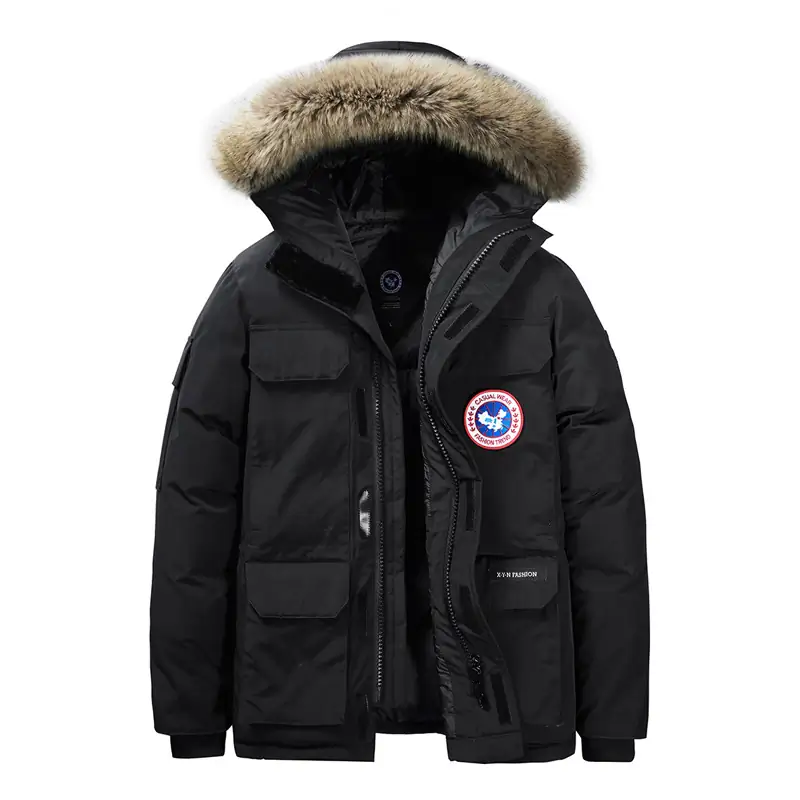
Engineered for harsh conditions, this High-Quality replica parka delivers robust thermal efficiency through dense, high-loft polyester fiberfill.
View Product →
Looking for the perfect jacket to keep you warm this winter?
Got a 650-fill down jacket? Tell us about it in the comments! How cold was it when you wore yours and still felt cozy?
Want to know more about insulation? We’ve got a full guide comparing down and synthetic fill to help you pick the right one for winter.
>Engineered with 700-fill power white duck down, this high-quality replica vest delivers exceptional thermal efficiency for light cold conditions.
View Product →
Okay, let’s talk about 650 fill down jackets for winter.
So, is a 650 fill down jacket warm enough for below-freezing temps?
Yeah, it can, but you’ll usually need to layer up. On its own, a 650-fill jacket keeps most folks cozy right down to freezing, as long as it’s dry and you’re not just standing still.
When it gets colder than that, just throw on a warm base layer and a fleece underneath. That combo can push its comfort zone into the 20s Fahrenheit, especially if you’re moving around. The key here is the jacket’s outer shell and how it fits—you need enough room for those extra layers.
What about using it in wet winter weather?
Well, it’s got its limits. The big issue is that down loses its puff and stops insulating once it gets wet. If your jacket has a good DWR-treated shell, it’ll be fine in a light snow flurry or a quick splash.
But for a rainy day or heavy, wet snow, you’re better off with a synthetic jacket. It holds onto warmth way better when it’s damp. That’s why some 650-fill jackets mix in synthetic insulation in spots like the shoulders—it helps them perform better when things get soggy.
How warm is 650 fill down compared to the higher numbers like 700 or 800?
First thing to know: fill power is about loft, not just raw warmth. Higher numbers mean the down fluffs up more for its weight, so you get more warmth without the bulk.
So, to match the warmth of an 800-fill jacket, a 650-fill one needs more down inside. That makes it a bit heavier and puffier. In the real world, a generously filled 650 jacket can definitely be super warm when you’re just standing around in the cold.
But an 800-fill jacket giving the same warmth will be lighter and squish down smaller in your bag.
How do you wash a 650 fill down jacket to keep it nice and warm?
Use a front-loading washer on gentle, with a detergent made for down. Make sure you rinse it really well. Drying is the most important part. Tumble dry on low heat and toss in a couple of clean tennis balls or dryer balls—they’ll help beat the clumps apart. It might take a few hours, so be patient. Before you put it away, you gotta make sure it’s 100% bone dry. If you don’t dry it right, that’s what causes the down to clump up and lose its loft, which means it won’t be as warm.