Higher Fill Power: Guarantee of Warmth?
So you’re out shopping for a down jacket or sleeping bag, and everyone keeps pointing to the fill power number as the be-all and-end-all of warmth. It makes sense, right? You’d think a higher rating, say 800 or 900 fill power, means you’ll automatically be toastier. But here’s the thing—after testing gear on everything from serious mountain trips to just walking around in winter, I’ve figured out that warmth isn’t so simple. Sure, great loft is super important, but it doesn’t call all the shots on how warm something is. You’ve also got to consider the total amount of down, or fill weight, how the baffles are built, and even how the jacket or bag fits you—these things matter just as much. So in this article, we’re going to break down the real story between fill power and insulation. We’ll look past the simple idea that higher always means warmer and dig into what actually makes your own little warm bubble.
Table of Content
- Decoding Fill Power: The Loft Measurement
- The Critical Role of Total Fill Weight
- Construction and Design: The Framework of Warmth
- Practical Guide: Choosing Your Optimal Insulation
- Conclusion and Final Verdict
- FAQ About Is higher fill power always warmer
Decoding Fill Power: The Loft Measurement
What Fill Power Actually Measures
So, what’s fill power really? It’s basically a way to measure how fluffy down can get, not how warm it is by itself. To be specific, it tells you how many cubic inches one ounce of down will puff up to when you press on it gently in a test.
Take 800-fill power down as an example. One ounce of that stuff will fluff up to around 800 cubic inches. A higher fill power number means the down clusters are more intricate and have finer fibers.
This fancy structure lets them trap way more air while using less down. So really, fill power is a quality score. It shows how efficient and springy the down is. A lot of people get this wrong.
They think a higher fill power always means a warmer rating. But that’s not quite right. It’s better to see it as the down’s talent for creating pockets of still air. That trapped air is what really keeps you warm.
This high-quality replica vest delivers authentic thermal performance with 280g of premium 90% white duck down,
View Product →
The Science of Trapped Air as Insulation
Here’s how down insulation works at its core: it’s all about trapping air. Down has this super complex, web-like structure. It forms tons of tiny pockets that hold air perfectly still. Your body heat warms up that trapped air.
And since air is terrible at conducting heat, it really puts the brakes on you losing warmth. Higher fill power down is just better and more efficient at building this insulating air layer. For the same weight, it puffs up thicker (that’s the loft).
So, a lighter jacket with high-fill-power down can be just as thick and cozy as a heavier jacket packed with lower-quality down. That’s exactly why high-fill-power down is the gold standard for ultralight backpacking and top-tier gear. When every ounce counts, you want the best warmth for the least weight.
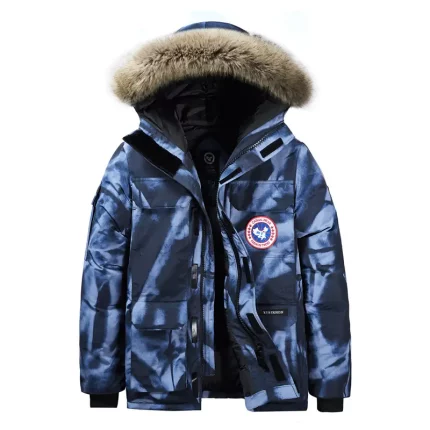
Engineered for versatile cold-weather performance, this deep blue replica vest utilizes 260g of 90% white duck down with high loft retention
View Product →
Let’s talk about why total fill weight is so important.
You might not realize it, but those ounces really count.
Here’s the thing: fill power tells you about the insulation quality, but the total fill weight is what gives you the amount. Basically, how warm something is comes down to the total loft thickness. And that’s just fill power multiplied by fill weight.
So, you could get a jacket with super high 900-fill power down. But if it only has 2 ounces of the stuff, a jacket with 600-fill power and 6 ounces might actually be warmer.
Even though the down quality is lower, that second jacket probably has a thicker, puffier insulation layer. This is a key point that ads and marketing often skip over. Don’t just look at the fill power number to judge warmth. You’ve gotta check how many grams or ounces of down are actually in there.
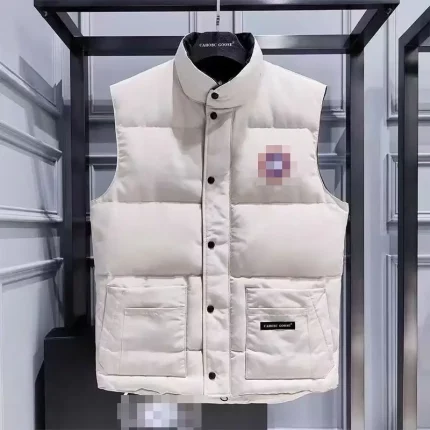
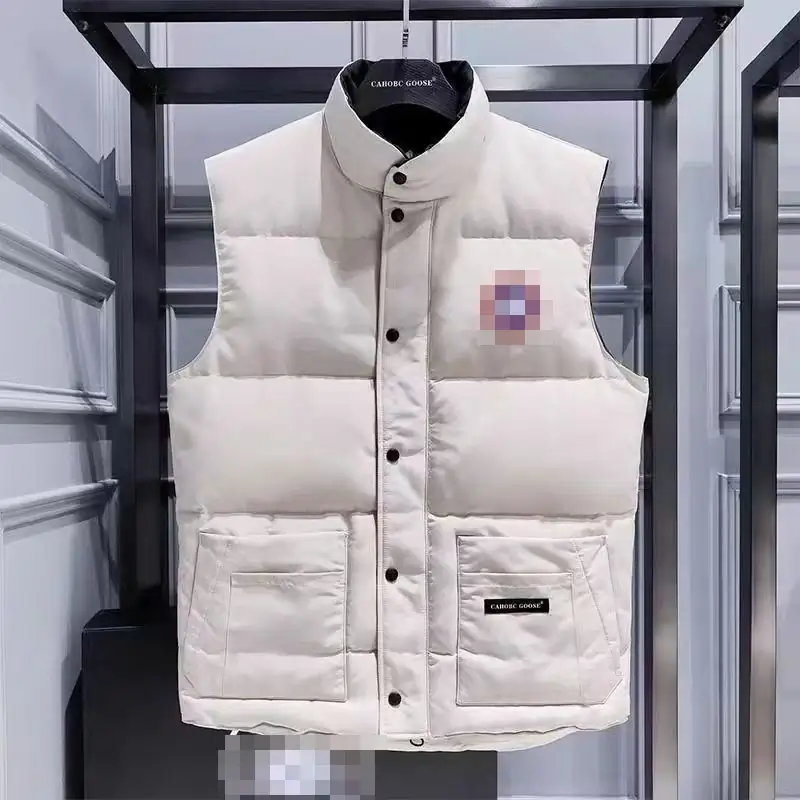
This cream-colored vest utilizes premium 700-fill power white duck down to deliver exceptional warmth-to-weight ratio performance.
View Product →
Let’s put fill power and fill weight side-by-side with a real example.
Here’s a practical example. Imagine two sleeping bags both rated for 20°F. Bag A has 800-fill power down and uses 24 ounces of it. Bag B uses 650-fill power down, but a heavier 30 ounces. To figure out the loft potential, think about the total volume.
Bag A’s down fills about 19,200 cubic inches. Bag B’s fills 19,500 cubic inches. So in this case, Bag B could be a bit warmer because it has more insulation overall. The trade-off? It’ll be heavier and take up more space.
Bag A gets you about the same warmth with better material. That means it packs down smaller and weighs less.
How fill power and fill weight affect your gear.
| Gear Type |
High Fill Power (e.g., 900) |
High Fill Weight (e.g., 600FP, more down) |
| The main benefit |
Great warmth for its weight, packs down really small |
Can often reach a higher max warmth, and the loft might last longer |
| Where you’d use it |
Things like alpine climbing, ultralight backpacking, or general travel |
Sitting around camp in deep cold, or at a base camp on an expedition |
| The downside |
Costs more, and can be a bit more fragile |
Adds more weight and bulk, and isn’t as cost-effective |
Let’s talk about how a jacket is built, because that’s really what creates warmth.
First up, the baffle design and those stitch-through seams.
Here’s the thing: the outer shell and the inside baffles are like the building’s framework for the insulation. Even the fluffiest down won’t work well if the design is bad. Good designs, like box baffles or vertical baffles, make open pockets.
This lets the down puff up completely, which is how you get the most warmth. On the other hand, cheaper jackets often use stitch-through construction. That’s where they sew the outer and inner layers together.
Those seams become cold spots with zero insulation. They’re basically escape routes for your body heat. So, even if you stuff a jacket with super high 1000-fill power down, every single seam line will be a weak spot for warmth.
This high-quality replica vest utilizes 700-fill power white duck down to deliver a superior warmth-to-weight ratio
View Product →
Now, how the jacket fits you, stops drafts, and handles moisture matters a ton too.
A lot of your comfort comes down to the fit and the little features. If a jacket is too tight, it squishes the down flat. No loft means way less insulation, no matter how good the down is.
If it’s too baggy, cold air sneaks right in at the bottom, the neck, and the sleeves—that’s a draft. That’s why features you can adjust, like cuffs, collars, and bottom straps, are so important. They lock the heat in.
Also, here’s a biggie: down is useless when it gets wet. So, having down that’s treated to shed water (that’s DWR) and a good waterproof shell for rainy days is way more important for staying warm than a tiny jump from, say, 800 to 850 fill power.
Okay, so when does higher fill power actually mean a warmer jacket?
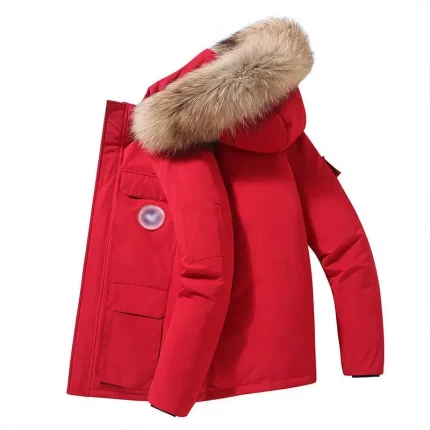
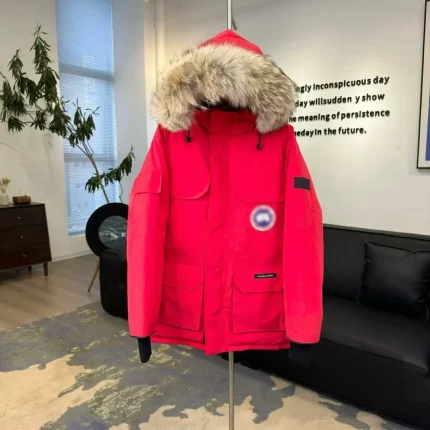
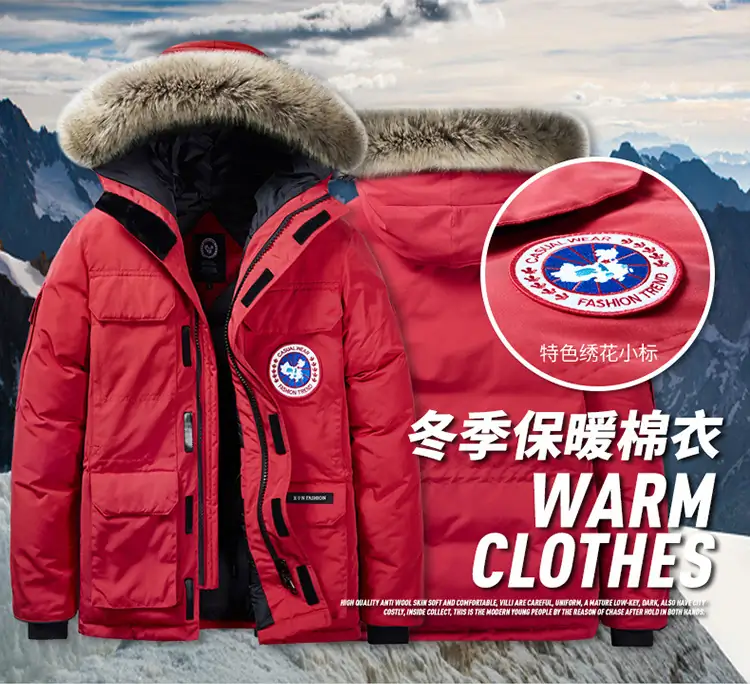
This replica hooded parka delivers impressive thermal performance, leveraging high-loft synthetic fill to trap body heat effectively.
View Product →
It’s the clear winner for warmth without the weight.
Think about trips where you’re counting every ounce. In those cases, higher fill power is definitely warmer for the weight you’re carrying. Picture two jackets built exactly the same, with the same amount of down inside.
The one with the higher fill number will be toastier. Why? That down puffs up better, making a thicker cozy layer. This is the whole point for long hikes or mountain climbing.
So, a light 12-ounce jacket with 900-fill could be as warm or warmer than a heavier 16-ounce 700-fill jacket. You save a lot of weight and room in your pack.
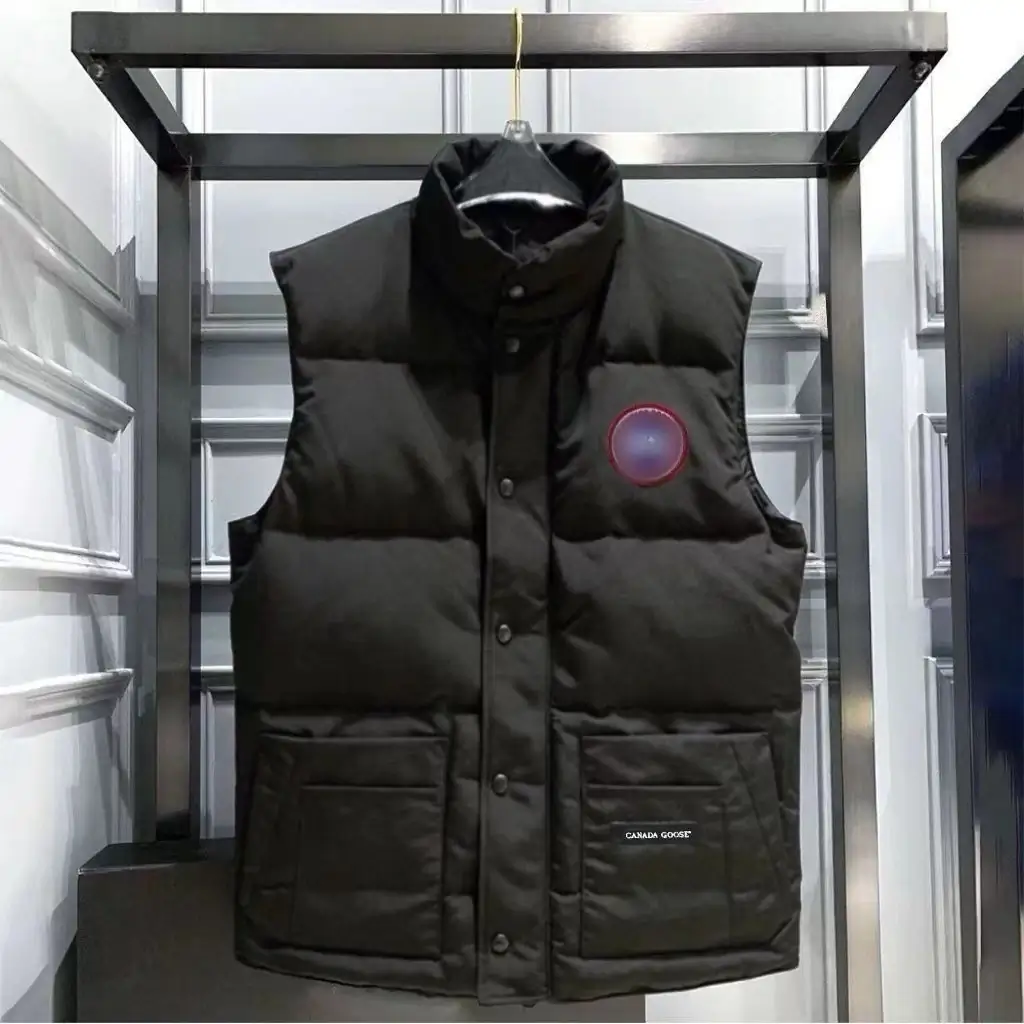
This black replica vest delivers efficient core insulation with 700 Fill Power white duck down, offering a balanced loft-to-weight ratio ideal for tra…
View Product →
Then there’s how long it lasts and how well it bounces back.
Here’s a durability perk: higher fill power down usually comes from older birds. It tends to have tougher, springier clumps. That means it often performs better over the years.
After you’ve squished it into its sack a bunch of times, the good stuff puffs right back up. Cheaper down might not bounce back as well or as often. So, a pricier jacket could stay just as warm and look just as fluffy for way longer than a cheap one.
even if they started out feeling equally warm. You’re paying for something that lasts, not just for a warmth rating on the tag.
Let’s break it down by what you need.
| User Priority |
Recommended Fill Power Range |
Key Reason |
| Ultralight Backpacker |
800-1000 |
Maximizes warmth for minimal carried weight. |
| Urban Commuter / Casual Use |
550-700 |
Excellent cost-to-warmth value, sufficient for most city winters. |
| Cold Expedition Static Use |
700-800 (with high fill weight) |
Balances cost, durability, and high total warmth for extreme cold. |
Practical Guide: Choosing Your Optimal Insulation
Matching Fill Power to Your Activity and Climate
Here’s my advice: don’t just focus on one number. You need to look at the whole picture. For dry, cold climates where weight is a concern (ski touring, winter backpacking), prioritize high fill power (800 ).
But if it’s wetter out or you’ll be rough on your gear, something in the 650 to 750 range is often smarter. Just make sure it has a tough shell and a good DWR coating—it’ll last longer and handle the conditions better.
For just wearing around town, a jacket with 550 to 700 fill power is perfect. You get great warmth for your money without paying top dollar. Oh, and here’s a key tip: always check the total fill weight in the specs against the fill power number.
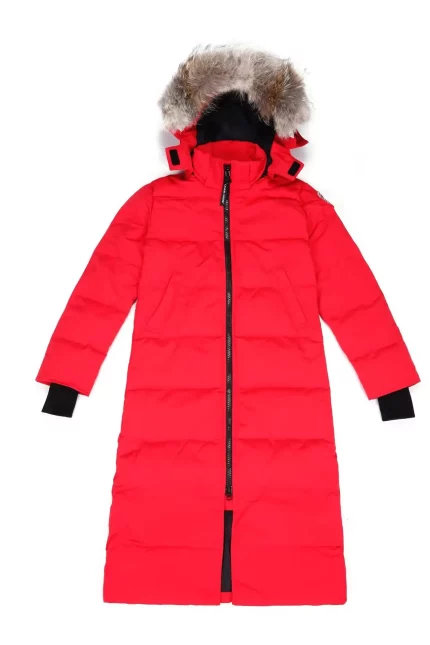
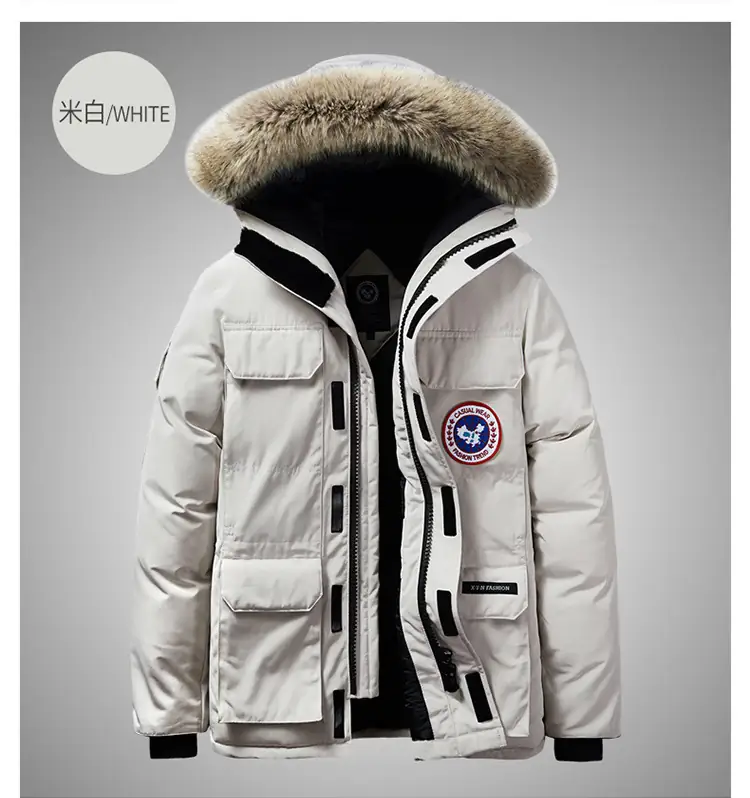
Engineered for harsh conditions, this High-Quality replica parka delivers robust thermal efficiency through dense, high-loft polyester fiberfill.
View Product →
Reading a Product Spec Sheet Like a Pro
Don’t just read the big, flashy claims on the product page. A good spec sheet will give you all the details: the fill power, like 800-fill goose down; the total fill weight, showing how much is in the body and sleeves.
what the shell and lining are made of; and the construction type, like box baffle or sewn-through. That’s how you get the full story. If they’re only shouting about the fill power and hiding the other specs, that’s often a red flag—the rest of the build probably isn’t anything special.
>Engineered with 700-fill power white duck down, this high-quality replica vest delivers exceptional thermal efficiency for light cold conditions.
View Product →
Conclusion and Final Verdict
Alright, so here’s the big question: does higher fill power always mean warmer? The straight-up answer? No, not always. What it really means is it’s warmer for its weight.
It points to better quality, tougher down that puffs up really well. But here’s the thing: how warm something actually is comes down to fill power *times* the amount of down used. And it all needs to be put together well.
You could have super high fill power but not much down, and it might not be as warm as a decent fill power with lots of down stuffed in. So, picking the right one depends on what matters most to you.
Think about weight, how small it packs, your budget, how long it’ll last, and where you’re planning to use it. Don’t just look at that one big number. You gotta check out all the specs.
So, wanna use what you’ve learned? Drop a comment below with your own stories or questions about down ratings. Or, if you’re shopping, check out our full guide comparing down and synthetic insulation!
Engineered for extreme conditions, this High-Quality replica utilizes advanced synthetic insulation rated to 650+ fill power equivalence, delivering e…
View Product →
So, is higher fill power always warmer? Let’s clear that up.
Does an 800 fill rating automatically beat a 600 for warmth?
Not really, no. Here’s the thing: 800-fill down is just more efficient. It puffs up more with less weight. But if a jacket packs in a lot more of that 600-fill down, it can actually end up warmer than a jacket with less 800-fill.
Real warmth comes from how thick the insulation is. That’s a mix of the down’s quality, or fill power, and how much of it is stuffed in there.
Featuring high-loft 700-fill power white duck down, this versatile vest delivers premium thermal insulation for cool to cold conditions.
View Product →
So, what’s a good fill power to look for in a winter coat?
For a solid, all-around warm coat, aim for something between 600 and 800 fill. The 600 to 700 range gives you great bang for your buck, perfect for everyday city winters.
If you’re in a really cold, dry place, or you want something super light and packable, then 700 to 800 is your sweet spot. Anything above 800 is usually for serious gear where shaving off every ounce matters most.
Can a jacket with high fill power ever be too warm?
Oh, for sure. A jacket’s warmth isn’t just about the fill number. It’s the total insulation—that fill power times the amount used—plus how it’s made. A high-fill jacket loaded with down can be way too hot if you’re moving around in mild weather.
You’ll just overheat and sweat. The key is to pick a jacket rated for the kind of cold you’ll face and how active you plan to be.
So, is shelling out more for higher fill power actually worth it?
That totally depends on what you need it for. If you are an avid backpacker, mountaineer, or traveler where saving weight and pack space is a high priority, then the premium for 800 fill power is usually worth it.
But for just hanging out or everyday wear, you get less warmth for each extra dollar at the high end. A jacket in the 550 to 700 range is a much better deal and will still keep you plenty warm.