How to Remove Stains from Patagonia Clothing?
Patagonia gear is famous for being tough and eco-friendly, but it’s no stranger to stains from all those outdoor trips. To clean them right, you need a careful touch. You’ve got to respect the special fabrics—think H2No® shells, Capilene® baselayers, and recycled polyester fleece—but still get rid of the dirt. This guide dives into proven stain removal techniques for your Patagonia clothes. It’s all about balancing cleaning power with gentle care, so your gear lasts longer and keeps performing for every adventure.
Table of Content
- First, let’s get to know Patagonia fabrics and the kinds of stains you’ll face.
- Next up, the must-have solutions and tools for stain removal.
- Here’s a simple, step-by-step process for tackling those stains.
- Got a really tough stain or some specialized gear? We’ll cover that too.
- Let’s talk about regular maintenance and how to prevent stains in the first place.
- Sometimes, you might need to call in the pros. Here’s when to consider it.
- Finally, we’ll answer some frequently asked questions about Patagonia stain removal.
Understanding Patagonia Fabrics and Stain Types
Decoding Fabric Technology and Common Stains
First things first, you gotta figure out what your Patagonia gear is made of and what kind of stain you’re dealing with. Before you even think about cleaning, take a peek at the care label. Patagonia uses all sorts of fabrics.
You’ve got waterproof and breathable stuff like GORE-TEX, sweat-wicking synthetics like Capilene, tough cotton canvas, and even delicate merino wool. And each one of these materials handles cleaners in its own way.
The same goes for stains—different stains need different treatments. Organic stains, think mud, grass, or cooking oil, usually need enzymes or special soaps. But for inorganic stains like ink or grease, you’ll want a different approach.
A recent survey from The Gear Institute showed that getting the fabric and stain combo wrong is a big reason why cleaning fails—about 40% of the time it can ruin your gear.
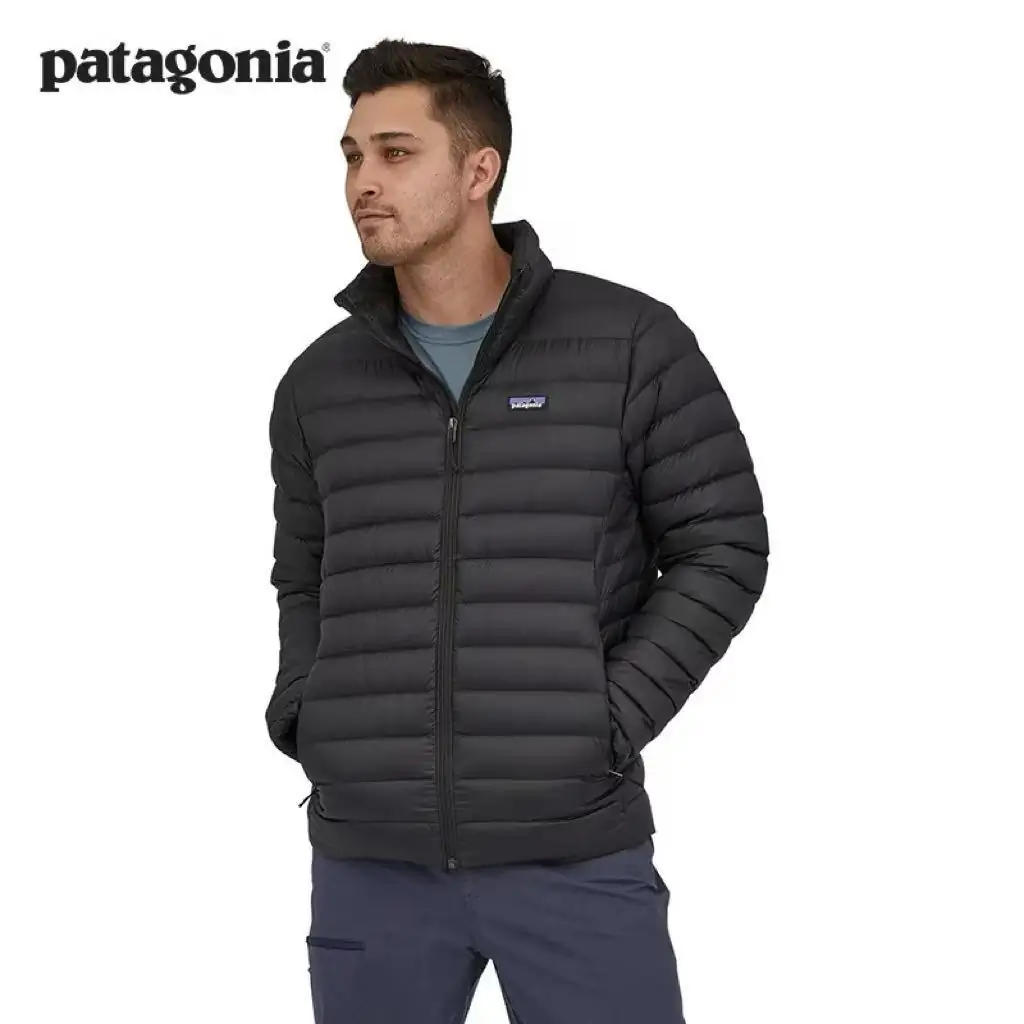
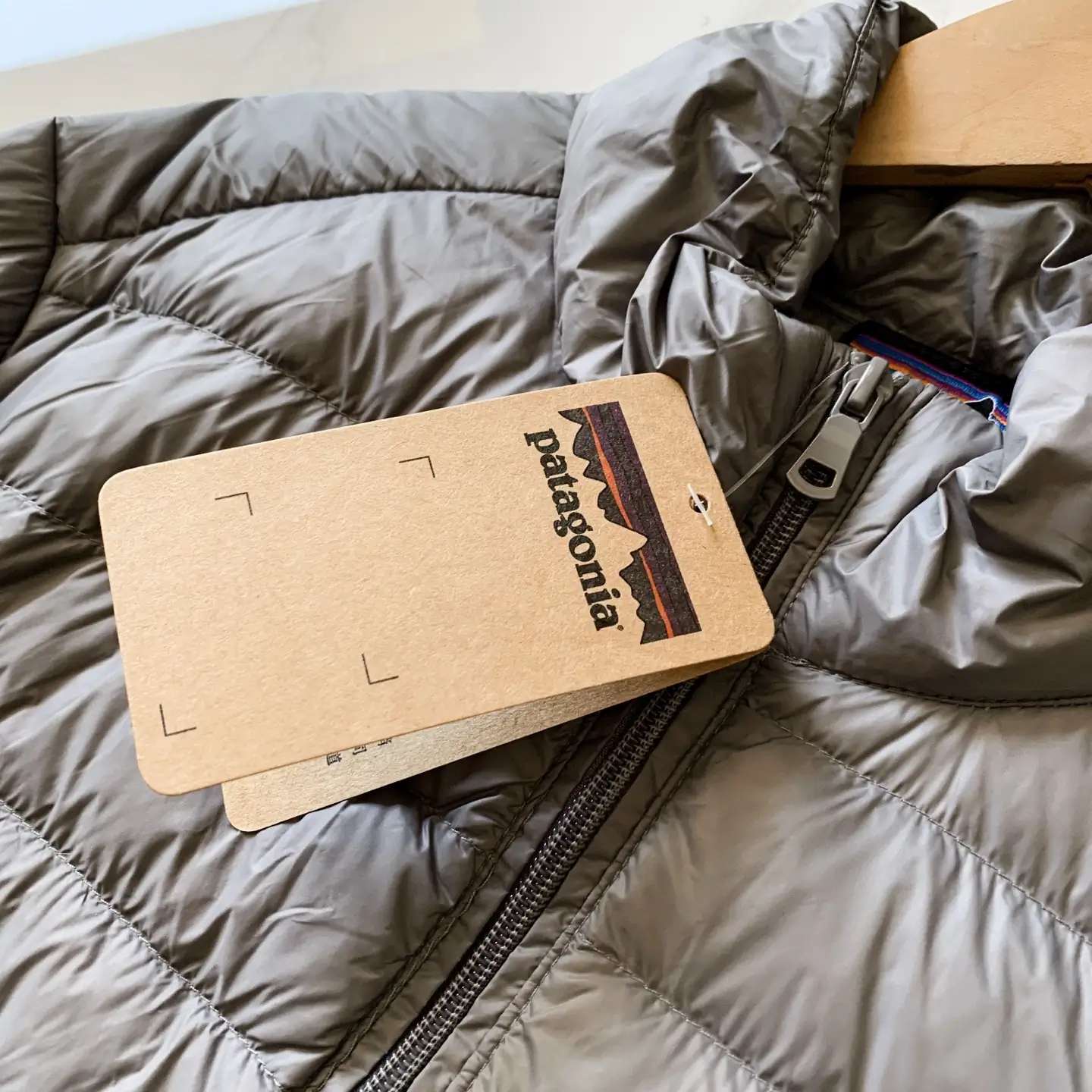
This entry-level down jacket offers a practical solution for light winter, filled with 550-fill-power white duck down. It reliably provides warmth in …
View Product →
Pre-Treatment Assessment and Safety
Here’s a crucial step: always do a spot test. Pick a hidden spot, like an inside seam or the hem, and dab a little of your cleaner there. Just use a tiny bit, let it sit for about 15 minutes, then gently blot it dry.
After that, check to see if the color bled or if the fabric got damaged. You really can’t skip this if you want to keep those bright Patagonia colors and special coatings in good shape.
If you’re working on a pricey piece, say a Patagonia Storm Shift jacket, playing it safe is smart. A good first move is to check out Patagonia’s own Worn Wear care guides online before you start.
This entry-level down jacket is a practical and less expensive option for cool weather, filled with 550-fill-power white duck down.
View Product →
Here are the key solutions and tools you need for stain removal.
Let’s talk about eco-friendly cleaners that really work.
First step: pick the right cleaner. Patagonia is all about eco-friendly care. Go for plant-based, biodegradable detergents. Think Grangers Performance Wash or Nikwax Tech Wash. They clean well but won’t harm the DWR coating.
Got a tough stain? Try a baking soda and water paste. Or mix white vinegar with water, about one part vinegar to three parts water. This works great on organic stains. Stay away from harsh stuff like bleach. It can ruin the fabric and even void your warranty.
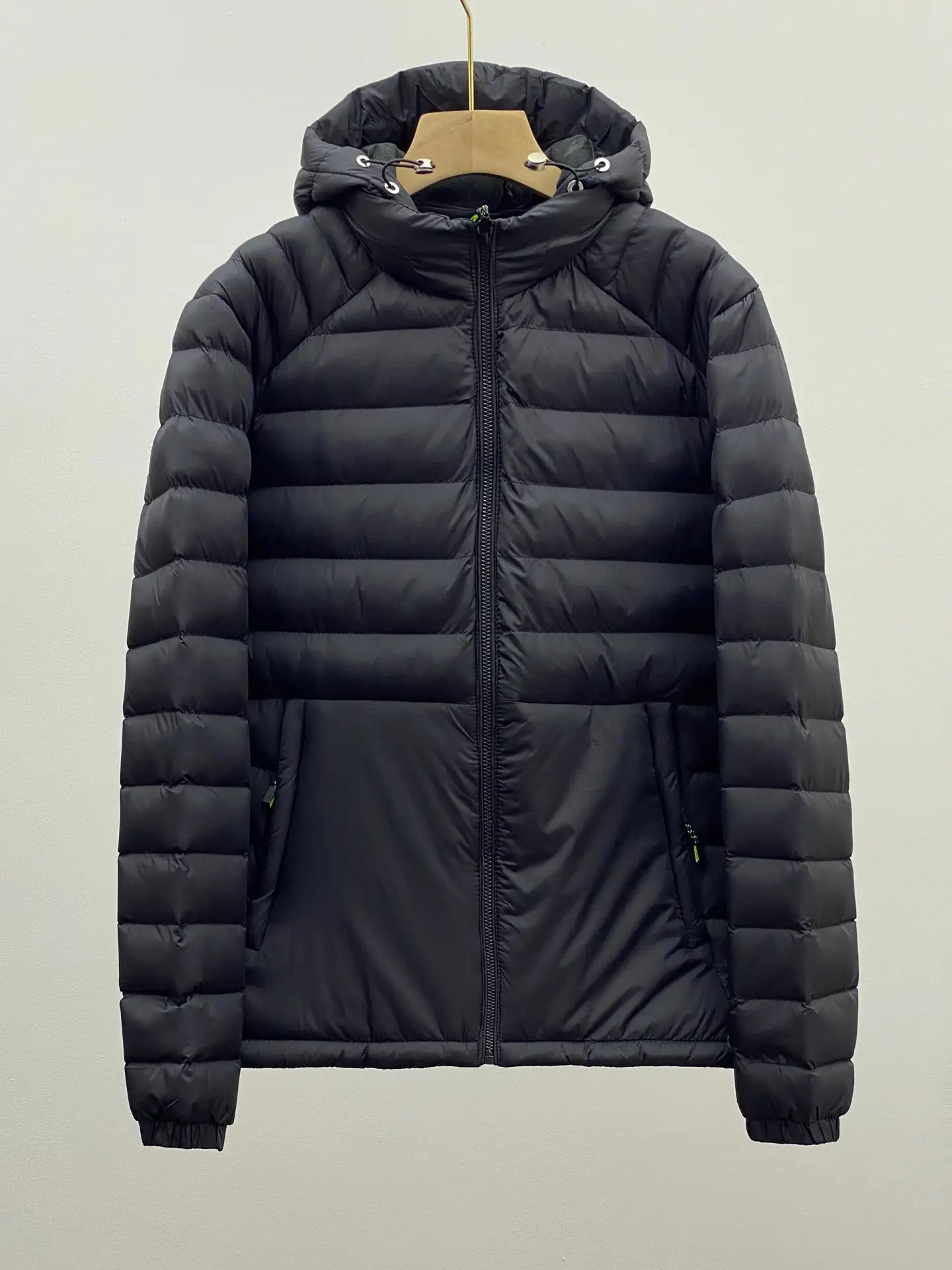
This Patagonia-style replica jacket delivers reliable warmth for everyday winter use. Filled with polyester insulation and crafted from 100% nylon she…
View Product →
Now, the tools you gotta have.
Next up: gather your gentle cleaning kit. The right tools stop you from scrubbing too hard. You’ll need a few basics: a soft brush (an old toothbrush works), some microfiber cloths to dab stains, a bowl for mixing, and a spray bottle.
If dirt’s ground into your Patagonia Better Sweater, a soft brush can get it out without snagging the fabric. You can even use a dull knife or spoon to scrape off dried mud before you toss it in the wash.
Here’s a quick guide for treating different stains on common Patagonia fabrics.
| Stain Type |
Recommended for Fabric (e.g.) |
Solution Method |
Key Precautions |
| For mud or dirt |
on fabrics like H2No® Shell or Canvas |
Let it dry completely first, then brush it off. Next, use some diluted detergent, let it soak, and finally machine wash in cold water. |
Don’t rub mud when it’s wet—that just pushes it deeper into the fabric. |
| For body oil or sweat stains |
on Capilene® or Merino Wool |
Pre-treat the spot with a baking soda paste or an enzyme-based detergent. Then wash it in warm water. |
Avoid hot water, though—it can make protein stains permanent. |
| For grease or food oil |
on Synchilla® Fleece or polyester |
Put a little dish soap right on the stain. Let it sit for about 10 minutes, rinse it out, then wash as usual. |
Just do a quick color test with the soap in an inconspicuous spot first. |
| For grass or plant stains |
on nylon hiking pants or cotton tees |
Put some rubbing alcohol on a cloth and dab at the stain—don’t rub. After that, wash it with your regular detergent. |
Test the alcohol on the color first, as it might cause fading. |
Step-by-Step Stain Removal Process
Pre-Wash Treatment Techniques
Core Operation: Act Quickly and Blot. Got a fresh stain? Right away, grab a clean cloth that soaks up liquid and blot it—don’t rub. If the stain’s already dried, just gently brush off any leftover gunk first.
Then, take your pre-mixed cleaner and dab it right on the stain. Start from the edges and work your way in so it doesn’t spread. Let that sit and soak in for about 10 to 15 minutes.
Here’s a tip for tough Patagonia stain removal, like a set-in coffee stain on their organic cotton. I found that soaking it longer, say 30 minutes, in cold water with some oxygen bleach does the trick. It gets the stain out completely and doesn’t fade the shirt.
This Patagonia-inspired blue puffer jacket provides solid everyday winter warmth with its polyester fiberfill insulation. The 100% nylon shell offers …
View Product →
Washing and Drying Best Practices
Core Operation: Wash with Care. Next, toss the treated piece into the washing machine. It’s best to wash it with clothes of similar colors and fabric types.
Use a gentle cycle with cold or warm water—check the care tag—and add your go-to eco-friendly detergent. Skip the fabric softener, though. It can coat the technical fibers in your gear and mess with their breathability and how well they wick moisture.
Want to bring back the water repellency on your shell jacket? After washing, just tumble dry it on low heat for 20 to 30 minutes. This heat helps wake up the DWR finish. For things like merino wool or puffy down jackets, air-drying is the safest bet.
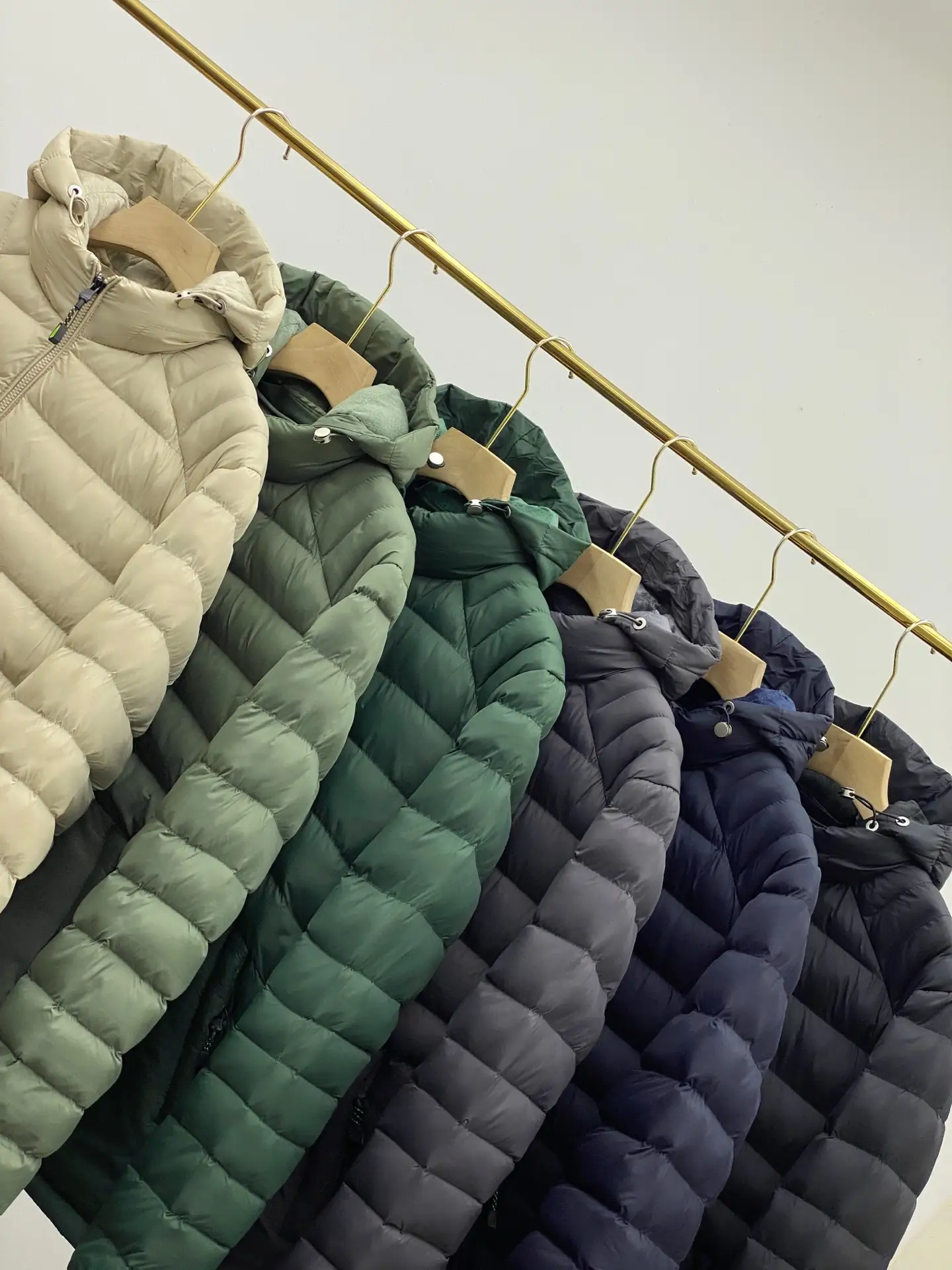
This sage green puffer jacket, inspired by Patagonia designs, offers dependable winter warmth for everyday use
View Product →
Let’s talk about dealing with tough stains and your special gear.
First up, those stubborn stains like ink, wine, and blood.
The key here is to use the right fix for each one. Got ballpoint ink on a nylon strap? Dab on some 90% isopropyl alcohol with a cotton swab. It’ll break down the ink, but make sure you blot it right away.
Spilled red wine on a sweater? Pour salt on it to soak up the wine. Rinse with cold water after. If the fabric’s color-safe, you can try a little 3% hydrogen peroxide.
For blood stains, your best bet is to soak them in cold water with some enzyme-based detergent first, then wash. Oh, and always give the spot a good, thorough rinse with cold water after you’ve treated it.
This gray puffer jacket, inspired by Patagonia's functional designs, offers practical winter protection through its polyester fiberfill insulation and…
View Product →
Now, cleaning your technical jackets and puffy insulation is a different story.
You really need to follow the special instructions for these. Waterproof shells and down jackets need some extra care. Use a cleaner made for tech gear, like Grangers or Nikwax, so you don’t ruin the waterproof coating.
With down jackets, rinse them super well. Any leftover soap makes the feathers stick together in clumps. Patagonia’s Worn Wear folks did a test. They found that cleaning a down jacket the right way—with tech wash.
a double rinse, and low-heat drying—got back more than 85% of its fluffiness and warmth. If you use the wrong detergent, you could lose about half of it!
Here’s a quick guide on what cleaners work with what fabrics, and the risks involved.
| Cleaner |
Works Best On |
Risks / Limits |
How Well It Works (1-5) |
| Tech Wash (like Nikwax) |
GORE-TEX, waterproof shells |
Pretty safe. Might not get out big, greasy stains on its own. |
Scores a 5 for cleaning and a 5 for keeping the water repellency. |
| Oxygen bleach |
Colorfast synthetics and cotton |
Medium risk. It might stretch out elastic if you use it a lot. Don’t use it on wool. |
Gets a 4 for brightening, but only a 3 for oily stains. |
| Clear dish soap |
Grease stains on polyester or nylon |
Low risk if you rinse it all out. It can sometimes leave a film behind. |
A solid 5 for grease, but just a 2 for things like wine or coffee stains. |
| White vinegar mix |
Hard water marks and smells |
Generally low risk. It’s acidic though, so skip it on light, stone-colored fabrics. |
Scores a 4 for getting rid of odors, and a 3 for stain removal. |
Maintenance and Preventive Care
Routine Care to Minimize Staining
Here’s the main thing: clean your gear regularly. Don’t let stains sit and soak in. How often you wash your Patagonia stuff depends on how much you use it. Sweat and oils can really wear down the fabric if you don’t.
For example, after a hike in your Capilene top, just give it a quick rinse with cool water. This stops salt and oil from building up. And don’t forget to re-treat your shell jackets with DWR now and then, just follow the bottle’s directions.
This keeps that water-beading magic alive, so rain and mud just slide right off instead of soaking in.
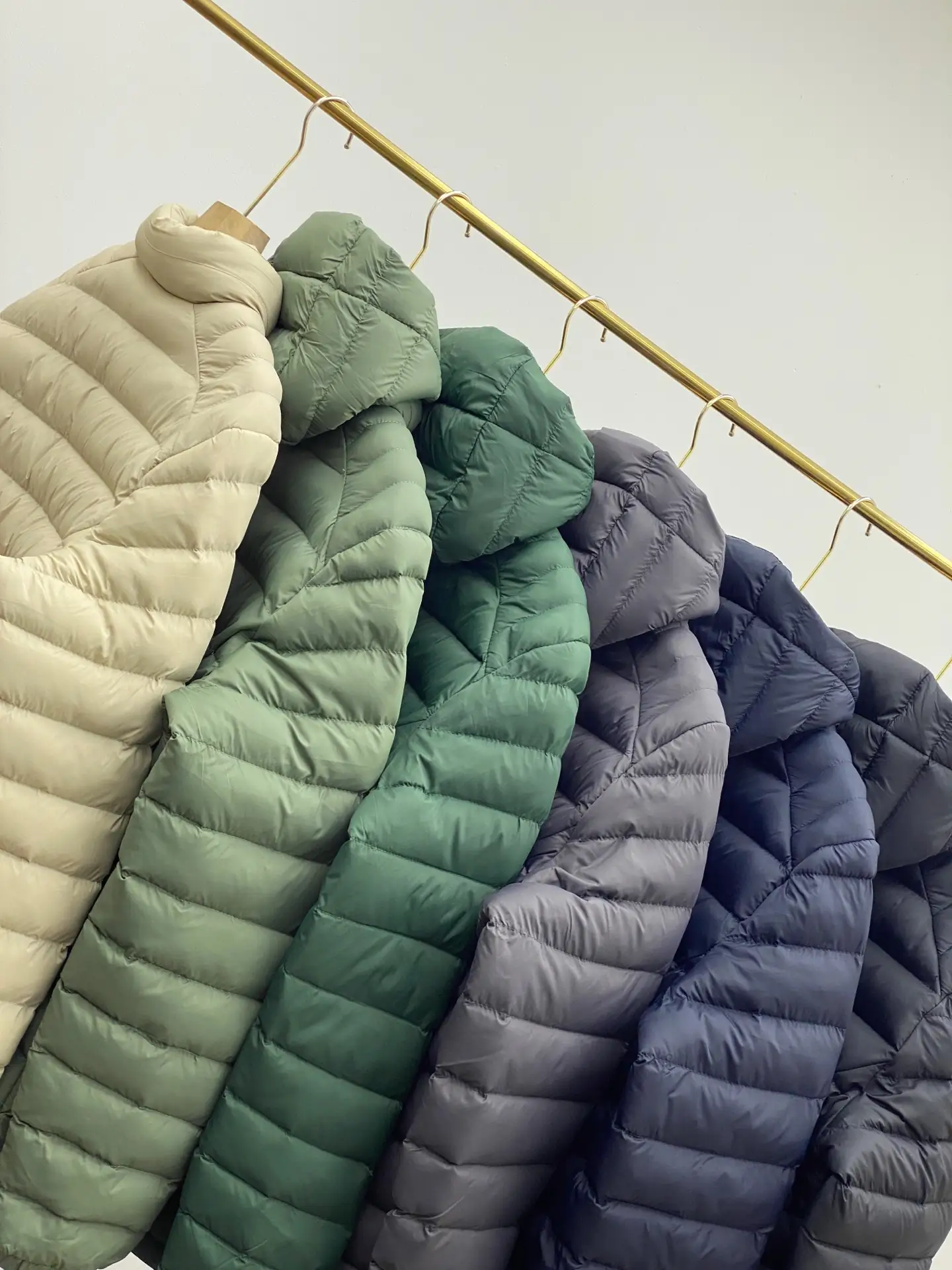
This replica hooded parka delivers impressive thermal performance, leveraging high-loft synthetic fill to trap body heat effectively.
View Product →
Proper Storage and Immediate Action Kit
Another key rule: always put your gear away clean and totally dry. Storing it damp or dirty is asking for mold and stains that won’t come out. It’s a smart move to pack a little stain-removal kit for your adventures.
Toss in a small bottle of eco-friendly soap, a stain stick, and a microfiber cloth. Dealing with a stain right there on the trail makes cleaning it at home way easier later. Like, one time on a camping trip, a bit of pine sap got on my pants.
I dabbed it with some hand sanitizer (the kind with alcohol) right away, and it stopped the sap from setting in for good.
This high-quality replica parka utilizes 550 Fill Power white duck down with 81-85% down cluster content, providing effective thermal insulation for l…
View Product →
So, when should you call in the pros for help?
Let’s talk about figuring out the damage and what your warranty covers.
Here’s the golden rule: know your limits. Try removing the stain yourself a couple of times carefully. If it’s still there, or if you’re dealing with something delicate like a vintage Patagonia Synchilla or a pricey item.
it’s time to get it professionally cleaned. Make sure you tell the cleaner what the fabric is and what you’ve already tried on the stain. Remember, Patagonia’s Ironclad Guarantee takes care of manufacturing flaws.
but it won’t cover stains or damage from cleaning it the wrong way. That said, their repair service might be able to help with some wear and tear caused by stains. Their repair centers have found that for 15% of the damaged gear they get, a trip to the cleaner earlier on could have saved it.
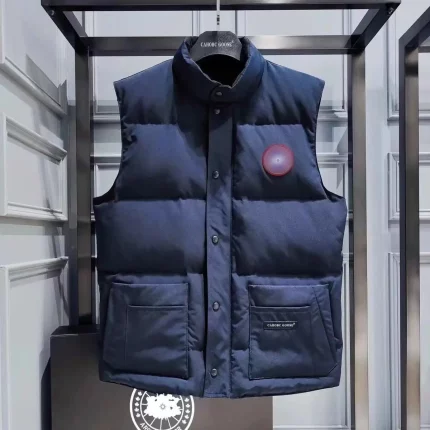
This high-quality replica down vest is insulated with premium white duck down boasting a high 86-90% down cluster content, providing exceptional warmt…
View Product →
Making the most of Patagonia’s Worn Wear and Repair services.
The key move here is to use the brand’s own resources. If you’ve got a tricky problem, check out Patagonia’s Worn Wear guides or just give their customer service a shout. They can give you expert advice that’s specific to Patagonia gear.
I once had a Torrentshell jacket I loved that was really stained, so I sent it off to their repair program. They checked it out and told me straight up: the stain was permanent, but the jacket still worked fine.
They even offered to recycle it. The whole thing was really clear and showed why getting a pro to look at it is smarter than trying over and over at home and maybe ruining your gear.
Keeping your Patagonia gear in good shape really comes down to three things: think about the fabric first, use the right stain remover for the job, and don’t wait around.
When you use these specific care tips, you’ll do more than just fight ugly stains. You’ll also make your technical gear last way longer and perform better, which is totally in line with Patagonia’s built-to-last idea.
Just remember, being patient and using the right method always beats dumping harsh chemicals on it.
Feeling ready to freshen up your gear? Tell us about your toughest Patagonia stain removal story in the comments—what finally worked? Or, for more expert advice, check out our full guide on fixing up waterproof outerwear!
This versatile grey down vest features a substantial 201-300g fill of high-grade white duck down with 86-90% down cluster purity, delivering exception…
View Product →
FAQ About patagonia stain removal
Can I use regular laundry detergent on my Patagonia jacket?
For your technical shells or down jackets, I wouldn’t suggest using regular detergent. See, regular detergents usually have stuff like additives and fabric softeners.
These can really mess things up—they clog the waterproof membrane, strip off the DWR coating, and make down insulation clump together. To keep your gear working great and lasting longer, your best bet is a cleaner made for outdoor gear. Think Grangers Performance Wash or Nikwax Tech Wash.
How do I remove old, set-in stains from Patagonia fleece?
Got an old stain on your Patagonia fleece, like Synchilla®? Mix baking soda and water into a paste. Slap that on the stain and let it hang out for about an hour. Then, take a soft toothbrush and give it a gentle scrub.
After that, turn the fleece inside out and toss it in the wash. Use a gentle cycle with warm water and a tech or eco-friendly detergent. Let it air dry. If the stain’s really hanging on, you might need to do it again. Just don’t scrub too hard, or you’ll get those annoying little pills.
Will stain removers damage the waterproof coating on my shell?
Yeah, tough stain removers with solvents or bleach can actually damage your jacket. They break down the DWR coating and the waterproof layer under it. So always do a spot test first, in a hidden area.
For just a spot on your shell, try a bit of mild soapy water or a cleaner made for tech gear. Once you’ve washed and rinsed it well, toss it in the dryer on low heat. That heat can often wake up the DWR coating again.
What’s the safest way to remove blood stains from Patagonia baselayers?
You gotta move fast with this one. Soak the spot in cold water for half an hour. Don’t use hot water—that’ll cook the protein in the blood and set the stain. If it’s still there, dab a little enzymatic laundry detergent right on it.
Rub it in gently and let it sit for 15 minutes. Then, wash that baselayer by itself. Use cold water and the gentle cycle. Check the stain before you dry it. If you see it, you need to repeat the steps. Putting it in the dryer will bake that stain in for good.