Picking a down jacket or a hardshell for your ski trip? It’s more than just grabbing a coat. You’re actually choosing your main line of defense against whatever the mountain throws at you. To make the right choice, you gotta understand the key difference: one is all about insulation, the other is for weather protection. A puffy down jacket keeps you toasty warm on those freezing chairlift rides. On the other hand, a waterproof hardshell acts like your shield, protecting you from blizzards and wet, heavy snow. This guide breaks down what each one does best, when to use it, and its limits. We’ll help you pick the right jacket based on how you ski, the weather forecast, and the kind of terrain you’re tackling.
Insulation vs. Weatherproofing: The Fundamental Divide
Here’s the core idea: their main jobs are totally different. A down jacket is all about insulation. It works as a mid-layer or on its own, using fluffy down or synthetic fill to trap your body heat. Its number one goal?
Keeping you warm. On the other hand, a ski hardshell is your protective shield. It’s built with a tough, waterproof, and breathable membrane—think Gore-Tex—to block wind, rain, and snow, but still lets your sweat out.
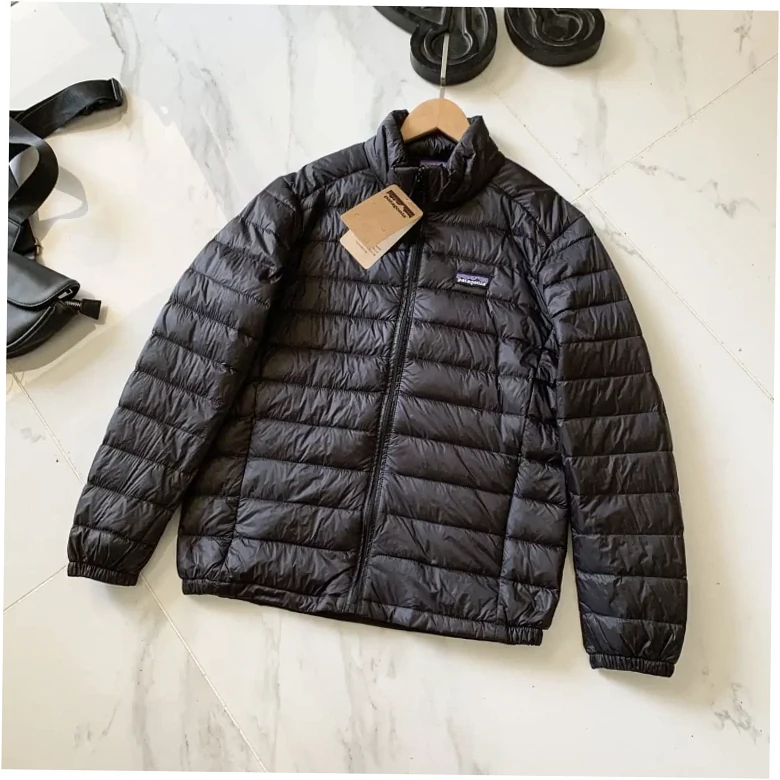
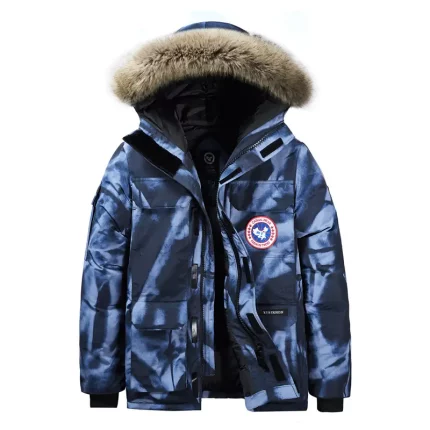
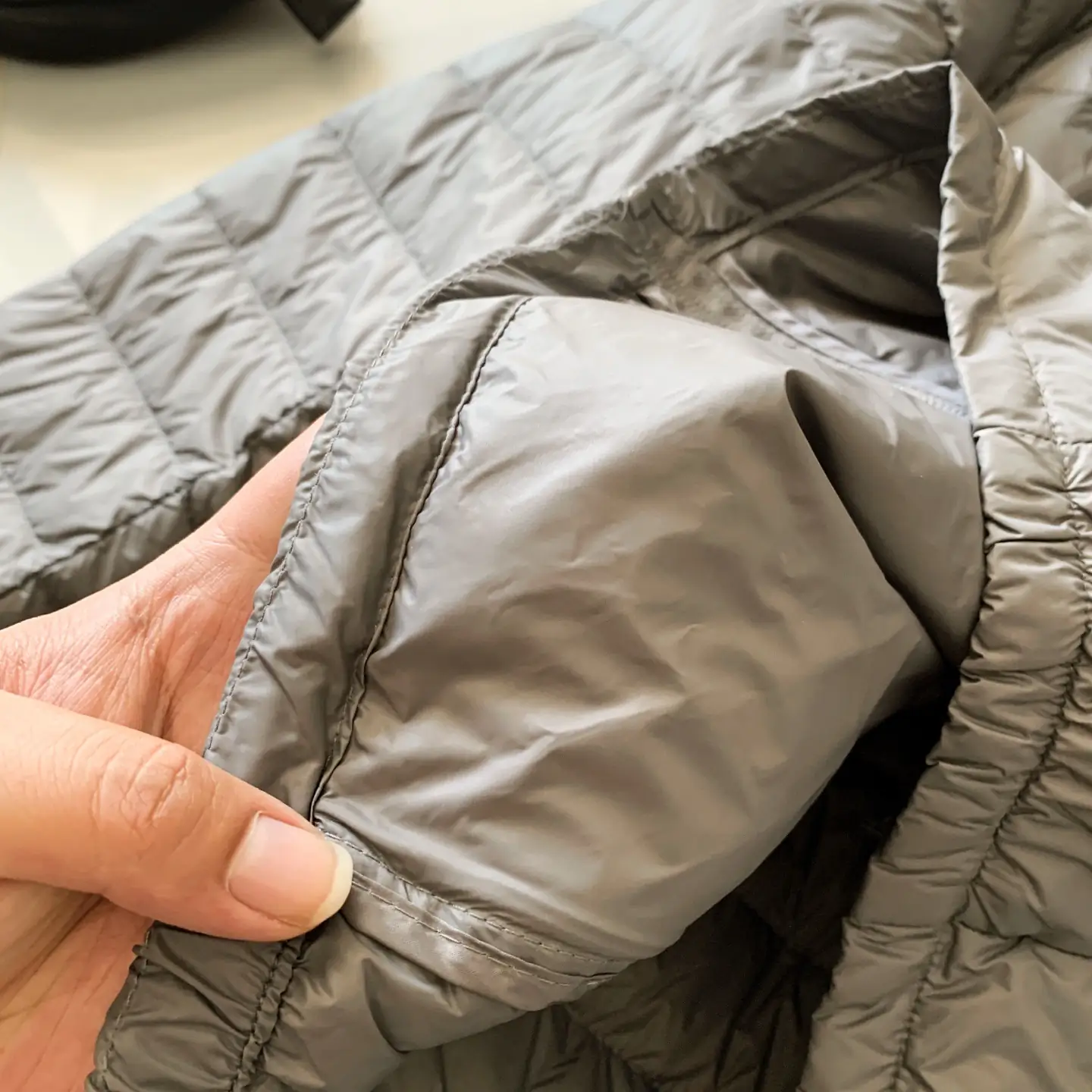
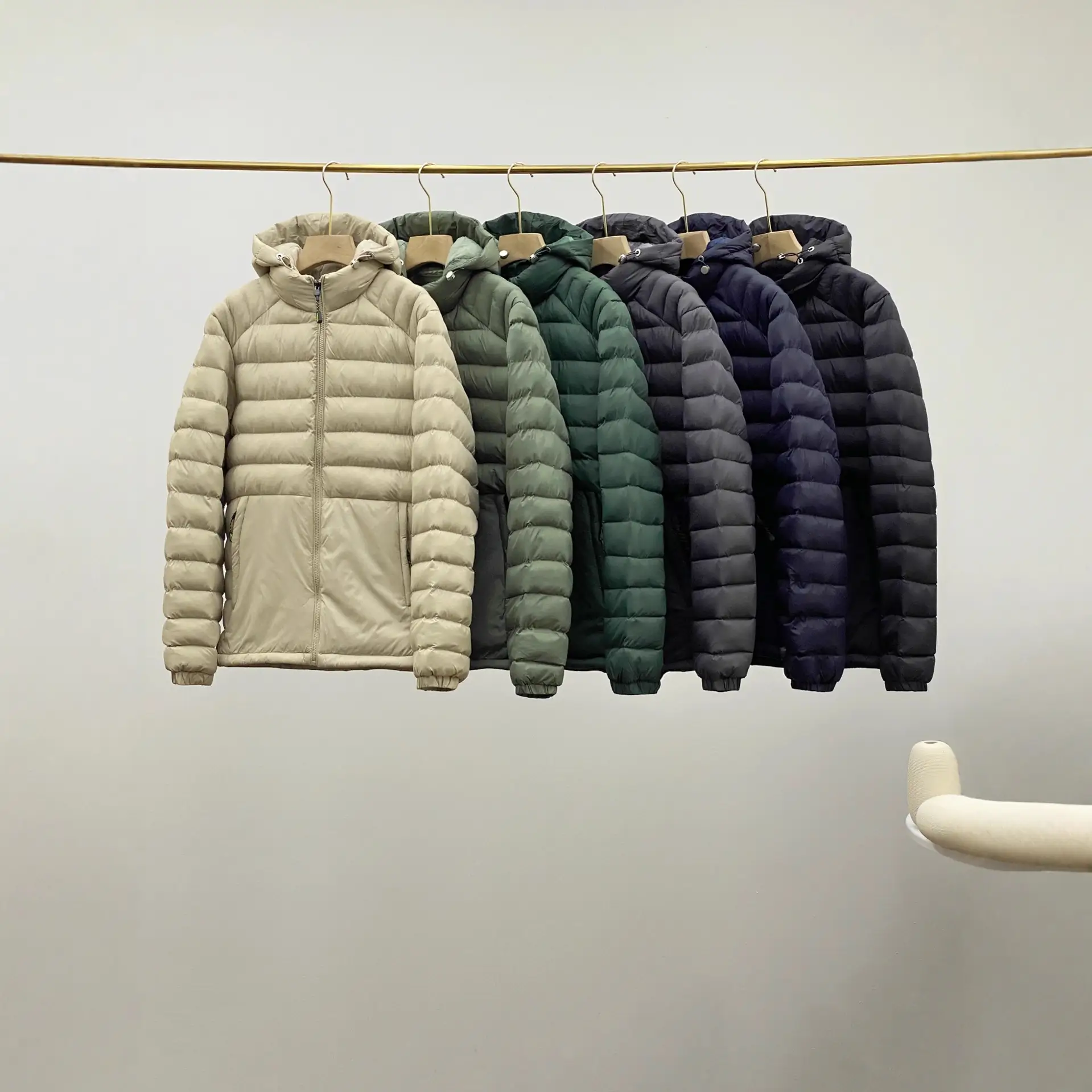
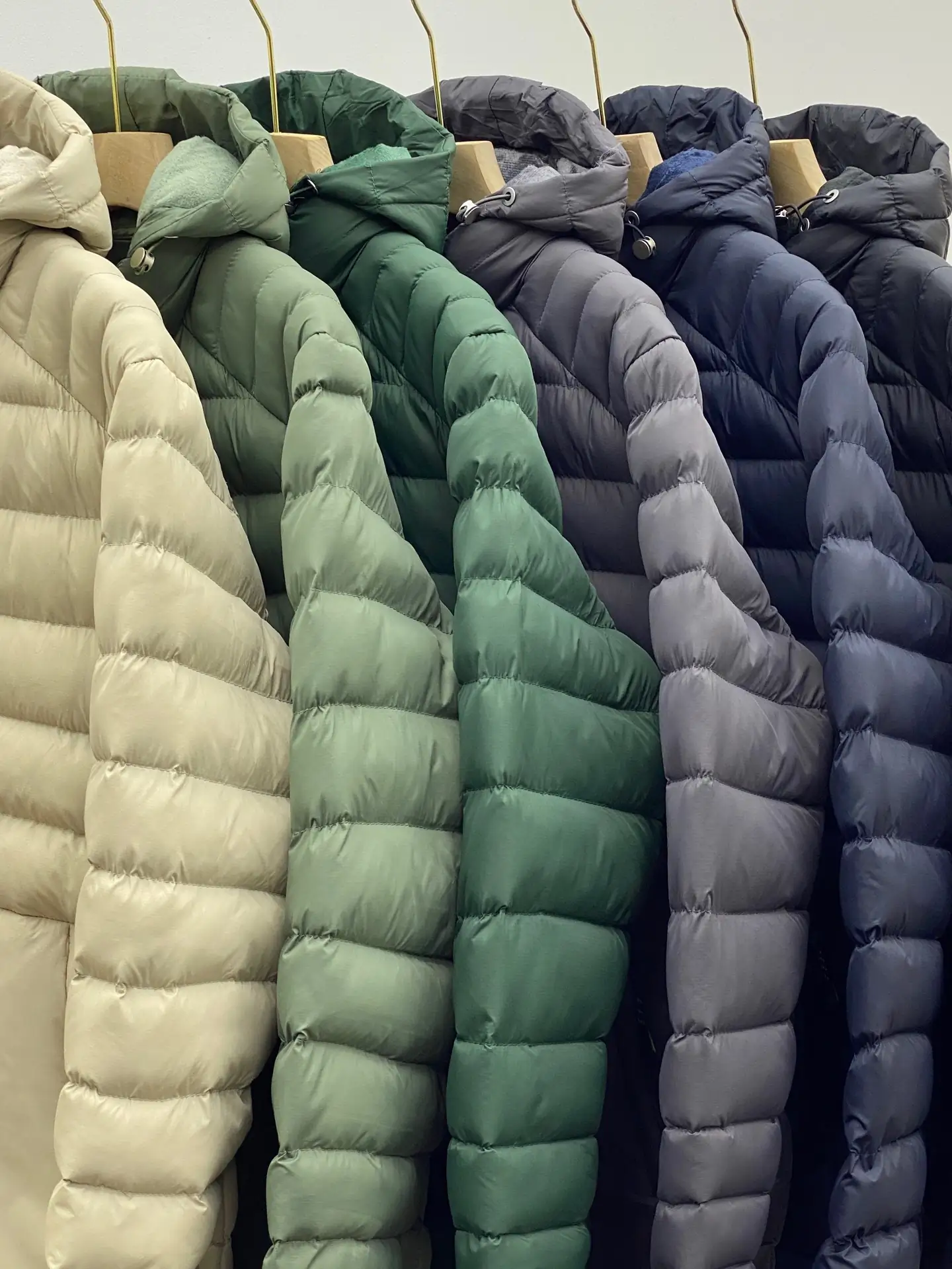
Engineered for light-cold conditions down to -5°C, this parka features 550 Fill Power white duck down, offering exceptional thermal efficiency and lof…
Material Breakdown: Down, Synthetic, and Membrane Tech
Let’s dig into the materials. Down insulation, usually from geese or ducks, is super warm for its weight. But there’s a big catch: it loses its warmth if it gets wet. Synthetic insulation, like PrimaLoft, handles moisture much better.
It keeps you warmer when damp and dries out quicker. Hardshell tech is all about that waterproof and breathable membrane. You’ll see performance measured in millimeters—like 20K/20K fabric—for both waterproofing and breathability.
Bigger numbers usually mean better performance, but you’ll pay more. Sometimes, you might even sacrifice a bit of breathability when you’re really working hard.
Insulation and Shell Material Comparison
What to look for
Down Jacket (For Warmth)
Hardshell Jacket (For Protection)
Main Job
Traps your body heat to keep you warm
Blocks wind, rain, and snow
Key Material
Down feathers or synthetic fill
A waterproof/breathable membrane (like Gore-Tex)
How It’s Rated
Fill Power (loft) and Fill Weight
Waterproof Rating (mm) and Breathability (g/m²/24h)
Biggest Downside
Loses its warmth when it gets wet
Doesn’t provide much warmth on its own; you need to layer up underneath
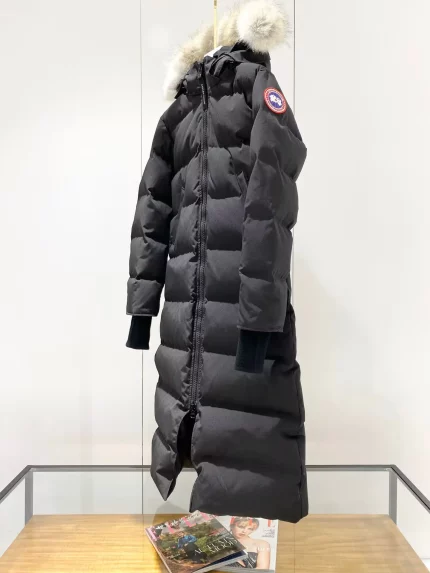
This high-quality replica parka utilizes 550 Fill Power white duck down with 81-85% down cluster content, providing effective thermal insulation for l…
Let’s talk about the best times and places to ski.
So, when should you grab your down puffer jacket?
It’s perfect in cold, dry weather. Picture those deep winter days at places like Colorado’s Rockies or Japan’s Hokkaido. It’s super cold, but the snow is nice, dry powder.
It’s great for resort skiing when you take lots of lodge breaks, or for cat-skiing. Basically, any time you’re not working up a huge sweat but want to stay super warm on the lifts or when you stop.
For backcountry skiers, on a really cold, clear day with an easy climb, packing your down jacket for the top and the ride down is a classic, smart move.
This striking red parka is equipped with 550 Fill Power white duck down, offering efficient thermal regulation for light-cold conditions down to -5°C.
You gotta have it when it’s wet, snowy, or windy. Think skiing in the Pacific Northwest, coastal Alaska, or during spring slush—that’s hardshell weather for sure.
It’s your best bet for storm days, for tough backcountry tours where you need to manage sweat, and really any day with rain, snow, or strong wind. If wet snow, sleet, or rain is in the forecast.
that hardshell with its sealed seams and tough fabric is the only thing that’ll reliably keep you dry and warm.
The best system? Layer them both for total versatility.
This high-quality replica down vest is insulated with premium white duck down boasting a high 86-90% down cluster content, providing exceptional warmt…
It’s all about a modular approach to stay comfy on the mountain.
Here’s the expert-recommended, most versatile idea: use both jackets as part of a layering system. Start with a base layer to handle sweat. Add a mid-layer, like a fleece, for warmth when you’re moving.
Then, your hardshell goes on top to block the wind and wet stuff. Your down jacket is the flexible piece. Throw it on over your base for cold, dry chairlift rides. When you warm up on a run or while skinning, just stuff it in your pack.
This versatile grey down vest features a substantial 201-300g fill of high-grade white duck down with 86-90% down cluster purity, delivering exception…
A common mistake is using one heavy, all-in-one ski parka for everything. You end up compromising. On warmer or high-energy days, you’ll just overheat and sweat buckets because you can’t remove the insulation.
And on brutally cold days, it might not be as warm as a dedicated, puffy down jacket. The layering system costs more upfront for several pieces, but it’s way more adaptable. You can adjust your comfort perfectly as the day and your activity level changes.
Here’s a daily layering plan for changing conditions.
Time/Activity
Core Temp
Recommended Layering Combo
Morning Commute / Lift
Cold, Low Output
Base Layer Fleece Down Jacket
Active Skiing / Touring
Warming Up, High Output
Base Layer Light Fleece Hardshell (vented)
Lunch Break / Storm Lift
Cooling Down, Wet/Windy
Base Layer Insulated Mid-Layer Hardshell
Apres-Ski / Transport
Static, Very Cold
Base Layer Fleece Down Jacket (standalone)
This sky blue replica vest features 240g of premium 90% white duck down fill, engineered to provide exceptional thermal efficiency with balanced loft …
Let’s talk about the big downside of down jackets: they really don’t like getting wet.
Here’s the main problem: moisture is like kryptonite for down. If it gets wet from sweat, melting snow, or rain, those fluffy down clusters just stick together in a clump.
That means they lose all their puffiness and stop keeping you warm, really fast. A soaked down jacket turns into a heavy, cold, soggy mess. You’re most likely to run into this problem when you’re working up a sweat.
like on a ski tour or a tough hike, or when you’re out in wet, slushy snow. So, before you head out, think about how wet you might get. If you’re going to sweat a lot or face wet snow, a down jacket probably isn’t the best pick for your main outer layer.
Crafted for optimal warmth-to-weight ratio, this high-visibility replica vest utilizes 270g of 90% white duck down, providing superior loft and therma…
Now, hardshells have their own trade-offs, especially with breathability and bulk.
Even though today’s hardshells are pretty amazing, they still aren’t perfectly breathable. When you’re pushing hard uphill, you’ll probably still get some condensation building up on the inside.
Plus, a tough, feature-packed ski hardshell doesn’t pack down small like a squishable down jacket does. And let’s not forget the cost—a top-notch 3-layer Gore-Tex shell is a serious investment.
Just remember, a hardshell doesn’t add much warmth by itself. If you’re just standing around without the right mid-layers underneath, you’re going to get cold.
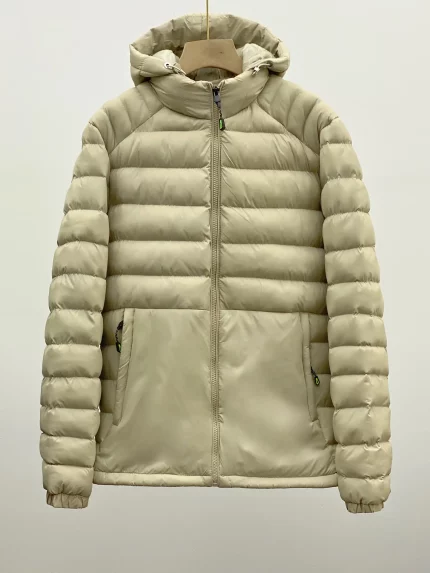
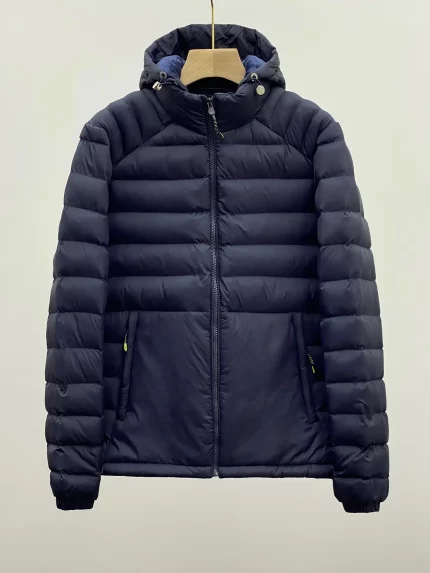
This entry-level down jacket offers a practical solution for light winter, filled with 550-fill-power white duck down. It reliably provides warmth in …
So, how do you make your final choice? Let’s break it down with a simple framework.
Start by asking yourself a few key questions.
Here’s the deal: to pick the right jacket, you gotta grill your plans a bit. First, check the forecast. Is it gonna be cold and dry? That’s a point for a down jacket. If it looks stormy or wet, you’ll definitely need a hardshell.
Next, think about how active you’ll be. Doing high-output stuff like ski touring? You’ll want a hardshell, probably with a light insulating layer under it. Just resort skiing with easy lodge access?
That gives you more wiggle room to go with a down jacket. Then, consider your budget and how much packing space you have. If you can only buy one jacket, the safer bet is a good hardshell.
Pair it with a versatile synthetic insulated layer. That combo is usually more adaptable for the unpredictable weather you get in the mountains.
This high-quality replica vest delivers authentic thermal performance with 280g of premium 90% white duck down,
What do the experts say? And what about some special options?
Here’s the pro insight: most experienced skiers and guides own both a down jacket and a hardshell. They just pick based on what the day looks like. For the ultimate cold, dry resort day, nothing beats the cozy warmth you get from down.
Or there’s water-resistant down, like the kind with a DWR coating. These handle a bit of moisture better, but don’t think they can replace a real hardshell in a serious downpour.
Here’s a quick guide to help you decide between a down jacket and a hardshell.
Go for a down jacket if your ski day looks like this…
Pick a hardshell if your day involves…
The forecast says it’s very cold—below 20°F or -7°C—and totally dry, with no precipitation.
Any kind of precipitation in the forecast—snow, rain, sleet—or a lot of wind.
You won’t be super active; you’ll have lots of chill time, like on the lifts.
You’re planning high-output skiing, like ski touring or hiking.
Your main goals are getting the most warmth for the weight and having something that packs down small.
Your top priorities are full weather protection and managing sweat.
You’ll be sticking to in-bounds resort skiing where you can easily pop into a lodge.
You’ll be in the backcountry, sidecountry, or even in-bounds on a really stormy day.
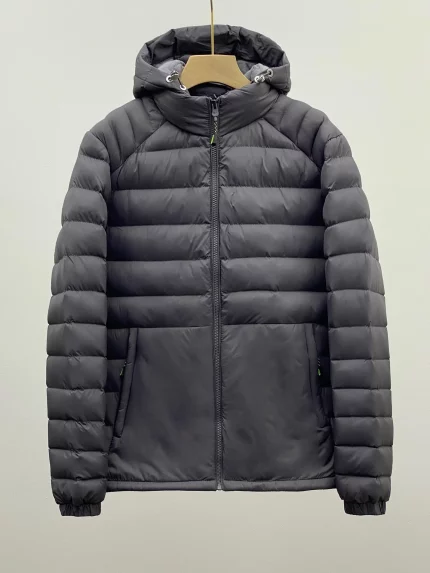
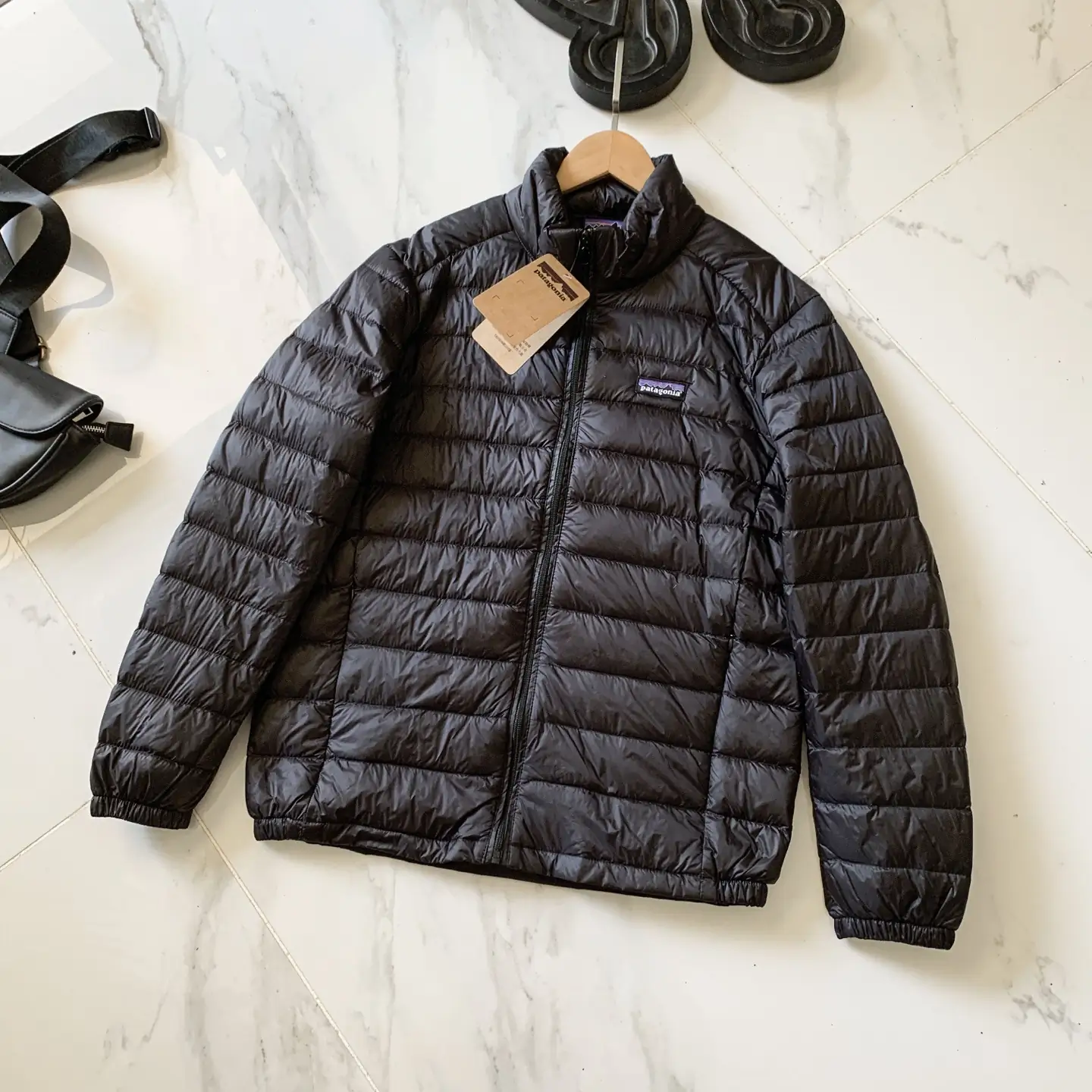
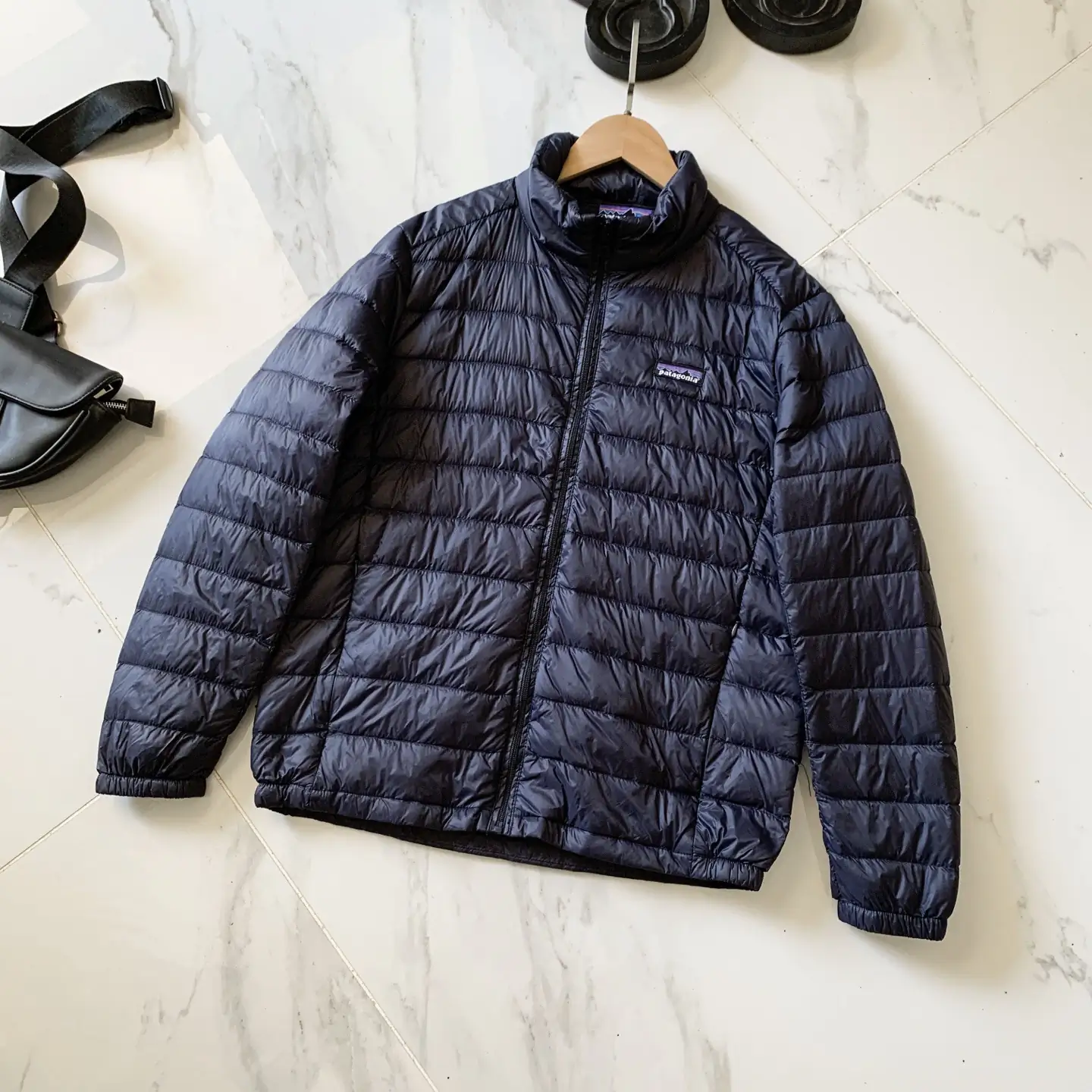
This entry-level down jacket is a practical and less expensive option for cool weather, filled with 550-fill-power white duck down.
It’s really about getting to know two different tools you need in your ski gear kit. Think of the down jacket as your go-to for staying super warm and cozy when it’s dry and freezing cold, and you’re not moving around too much.
It’s super light, too. Then you’ve got the hardshell. That’s your must-have protector when things get wet and windy on the mountain. Once you know what each one does best and learn to layer up smartly, you’re all set.
You’ll be ready for whatever the ski day brings, from your first run to your last. You’ll stay comfy, dry, and safe the whole time.
So, you’re all set to figure out your ideal ski setup?
Drop a comment below and tell us about your usual ski day or any tricky gear decisions you’ve had to make!
If you really want to get into the nitty-gritty of layering, we’ve got a detailed guide for you. It’ll show you how to pick the right base and mid-layers that work best with your ski jacket, whether it’s a down jacket or a hardshell.
Here’s a quick guide about down jackets and hardshells for skiing.
So, can you just wear a down jacket to ski?
You could, but it’s only a good idea if it’s always cold, dry, and not windy. The thing is, most down jackets aren’t fully waterproof. Their seams aren’t sealed, and the outer material isn’t tough enough.
If it starts snowing, gets windy, or you’re in wet spring snow, the down can get wet. Once that happens, it stops keeping you warm and you’ll get cold fast.
It’s usually smarter to think of your down jacket as a top-notch mid-layer for under your shell, or save it for those perfectly dry, freezing days.
What about a 3-in-1 jacket as an option?
A 3-in-1 jacket—you know, the kind with a waterproof shell and a zip-in liner—is handy and budget-friendly for lots of casual skiers. But it’s not as flexible as having separate pieces.
You can’t air out just the shell as easily, and the liner usually doesn’t pack down as small as a good down or synthetic puffy jacket. That’s why most serious skiers go with separate layers—it lets them adapt to any weather.
How do you keep a down jacket dry on the slopes?
You’ve gotta be smart about when you wear it. Put it on mainly for chilly chairlift rides or at lunch. When you’re actually skiing down, or if any snow or rain starts, pack it away in a dry bag inside your backpack.
Make sure your jacket has a good DWR coating, and refresh that coating once a year. It also helps to carry a light, packable rain shell. You can toss that over your down jacket if you get caught in a surprise light snow shower on a dry day.
What should you look for in a ski hardshell?
Look for a robust waterproof/breathable membrane (e.g., Gore-Tex, 20K rating), fully taped seams, a powder skirt, a helmet-compatible hood, and ample pit zips for ventilation.
That powder skirt is key—it stops snow from going up your back if you take a tumble. The hood needs to go right over your helmet without blocking your view. And pit zips are a must-have. They’re your best friend for cooling off on a hike up or on a warmer day.