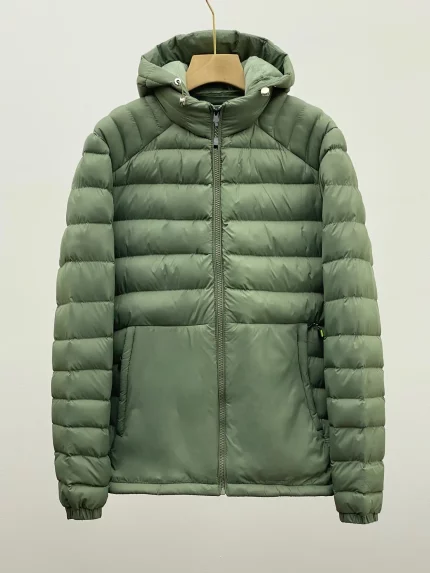
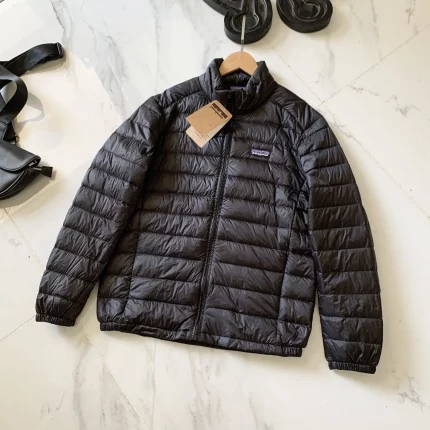
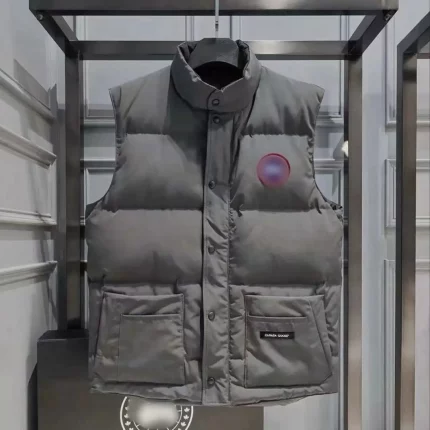
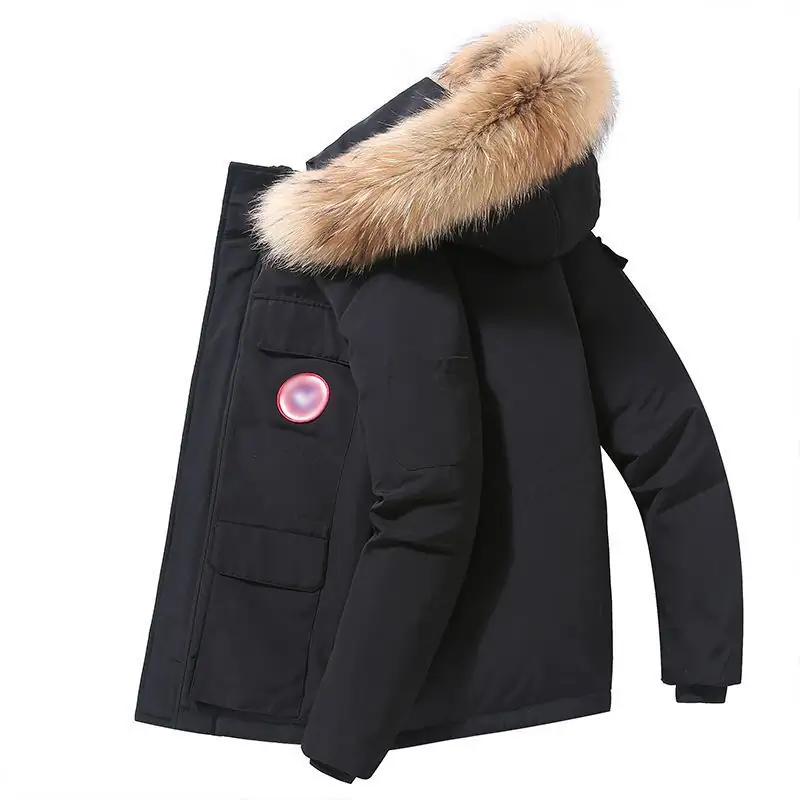
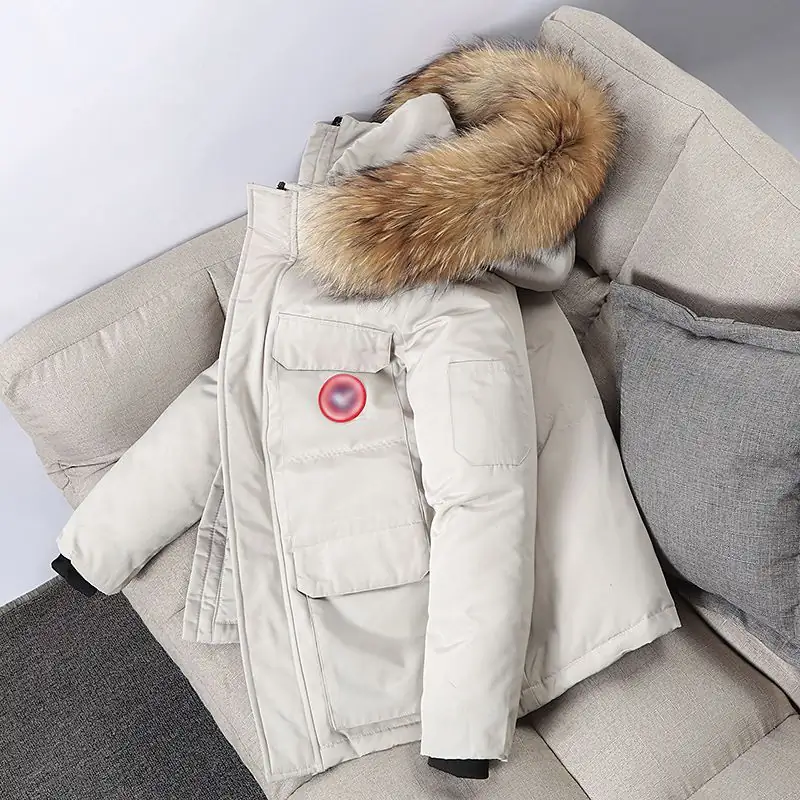
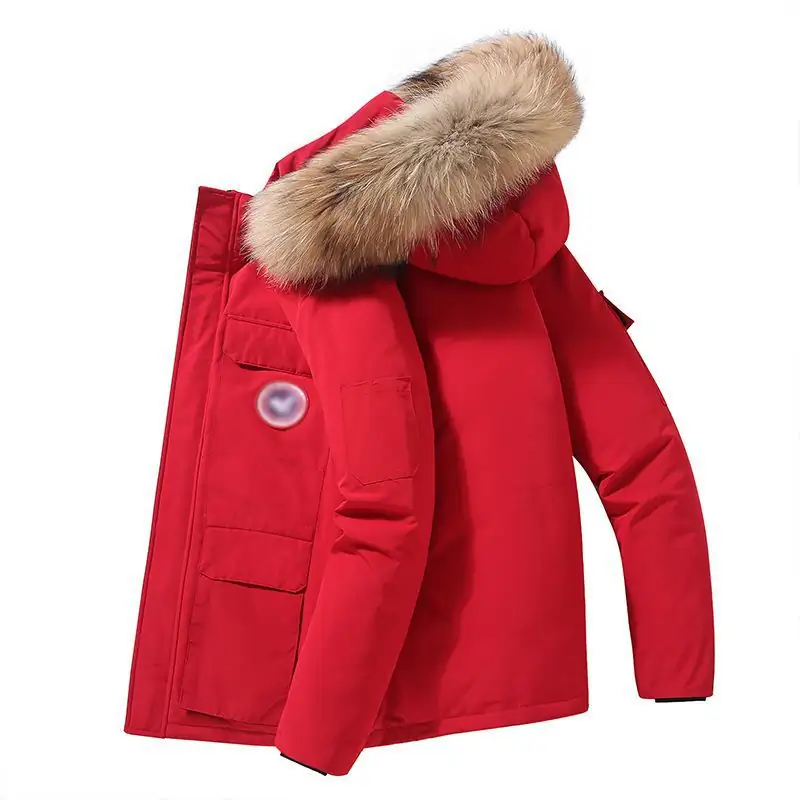
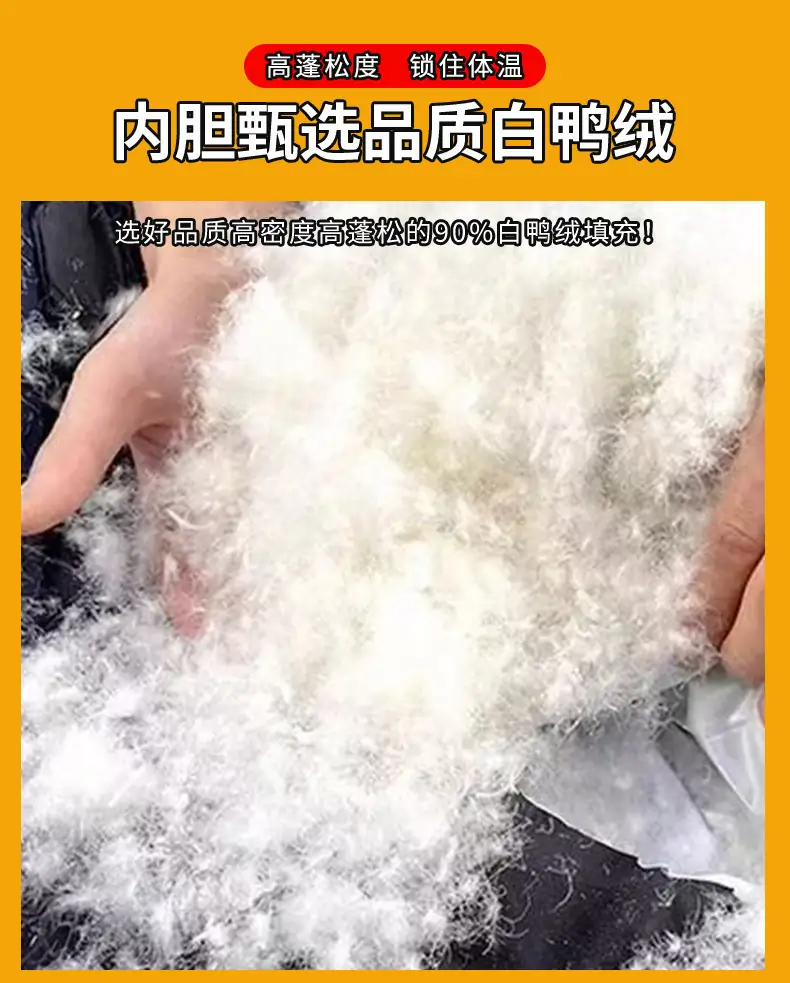
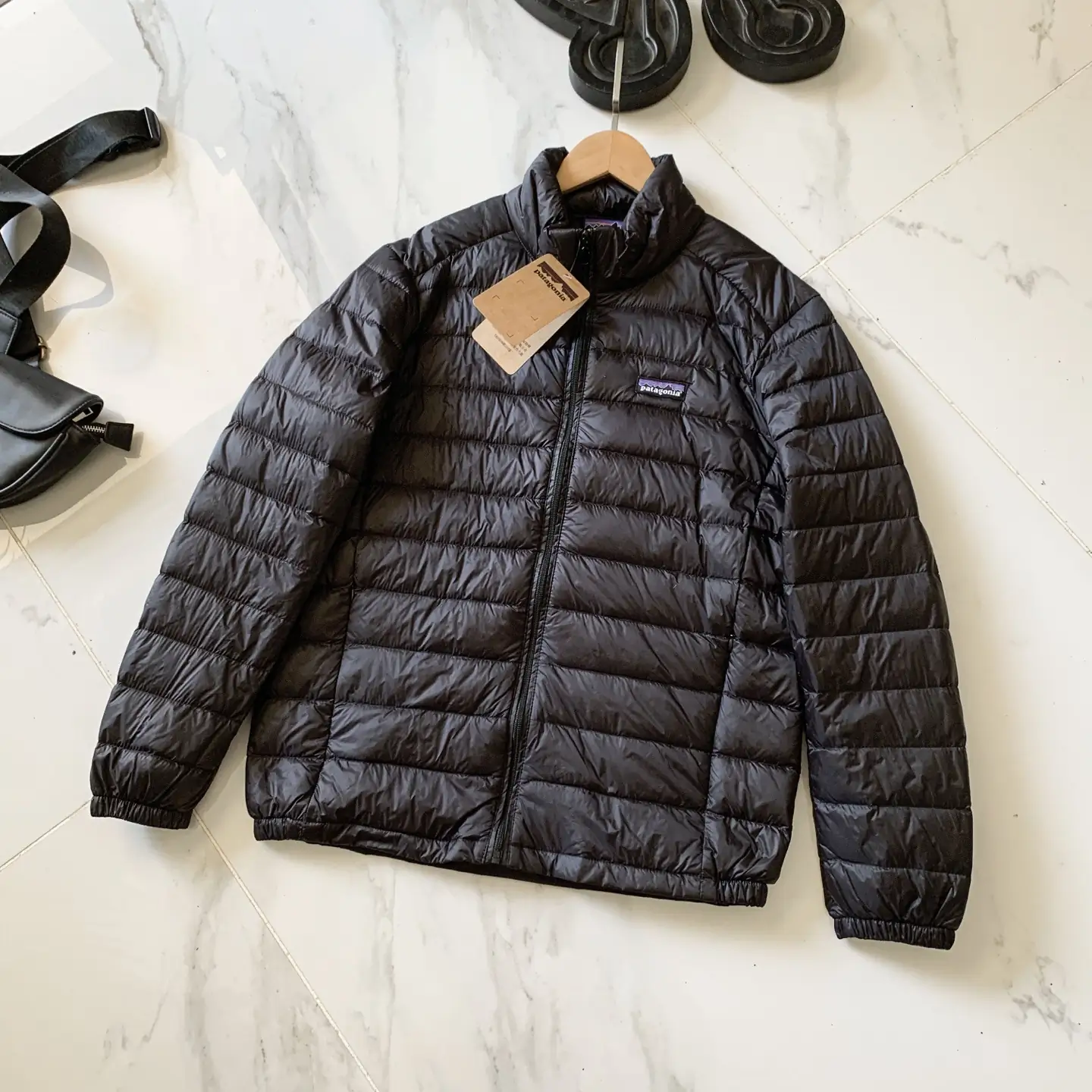
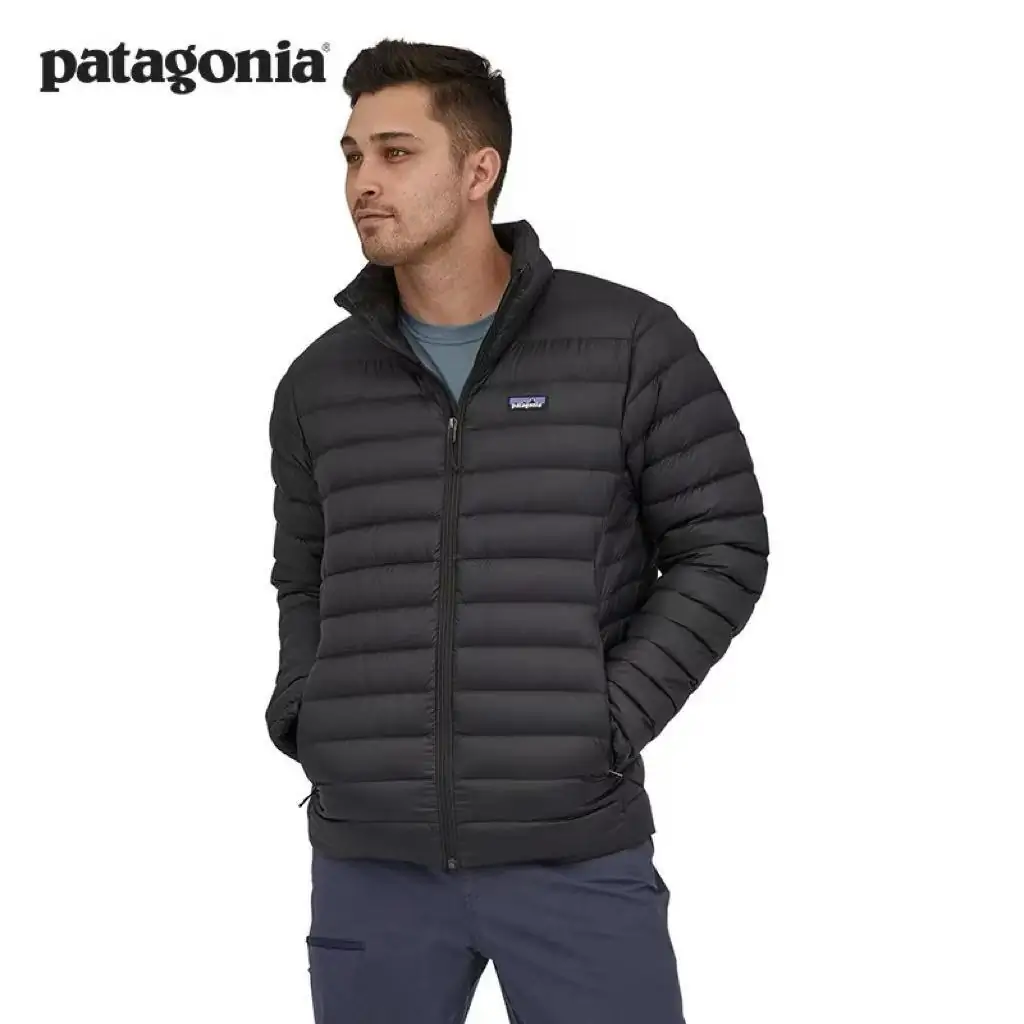
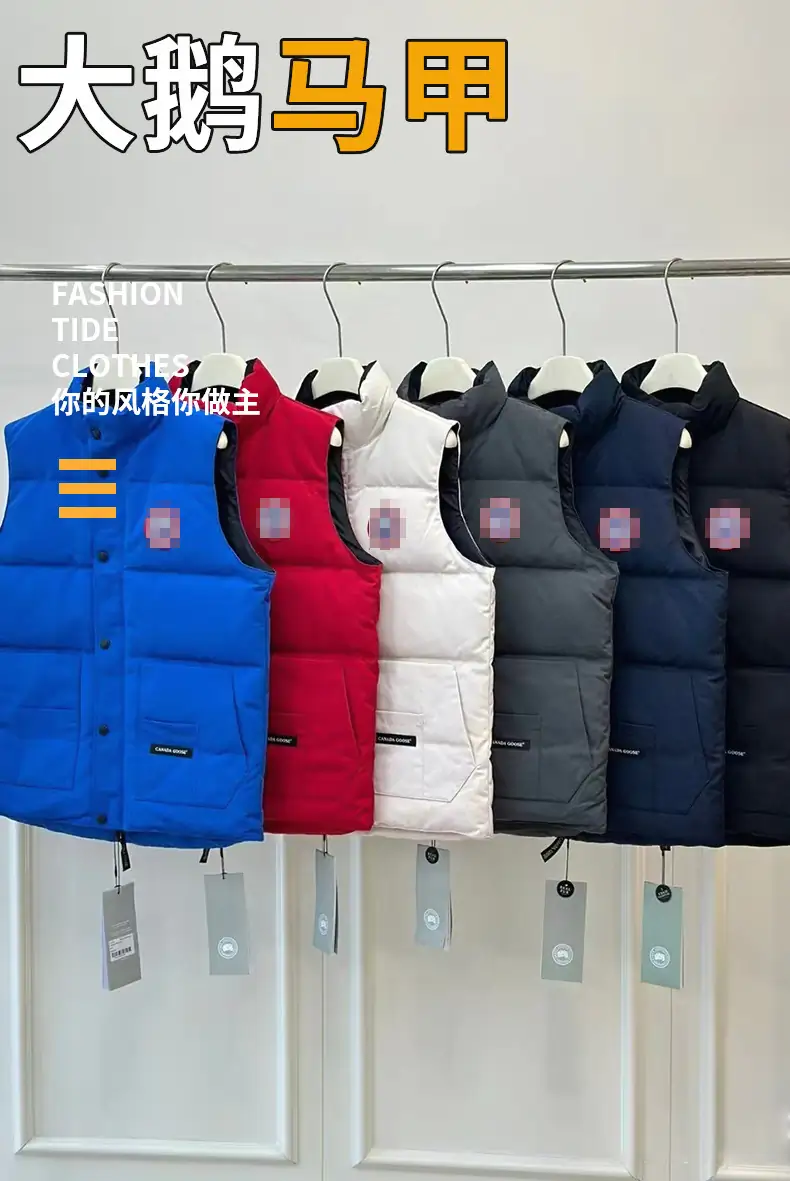
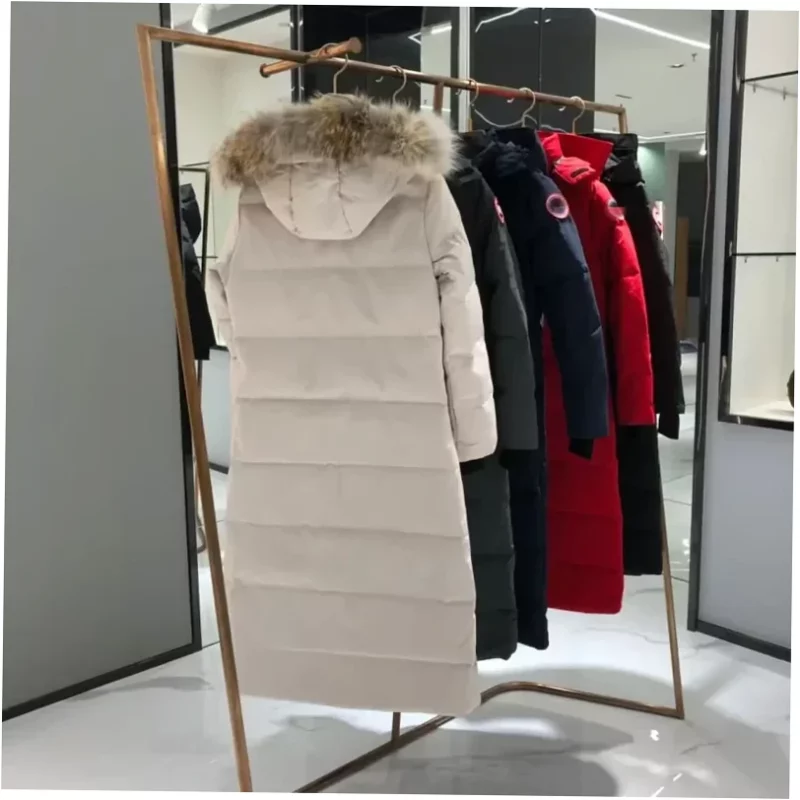
Ever been out in the cold, shivering, and wondered how some folks stay so warm? Well, chances are, they’ve got on a down jacket. So, what is a down feather jacket, anyway? In simple terms, it’s a puffy coat stuffed with down. That’s the super soft, fluffy stuff from under the outer feathers of ducks or geese. This natural fill is famous for being incredibly warm without being heavy. It works by trapping your body heat in millions of tiny air pockets, which acts like a super efficient thermal barrier. Unlike synthetic puffers, a real down jacket uses this top-notch natural stuff. That gives it unbeatable fluffiness (or loft) and lets you squish it down really small. Let’s break down what makes this classic winter gear so great. We’ll look at what it’s made of and how to pick the perfect one for you.
First up, the anatomy of a down jacket: its main parts and how it’s built.
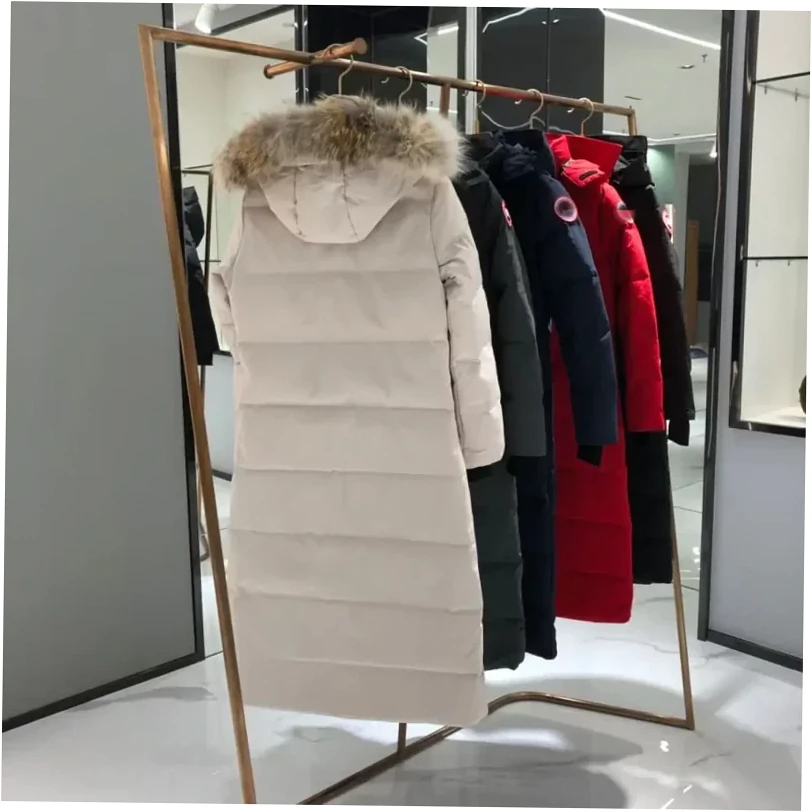
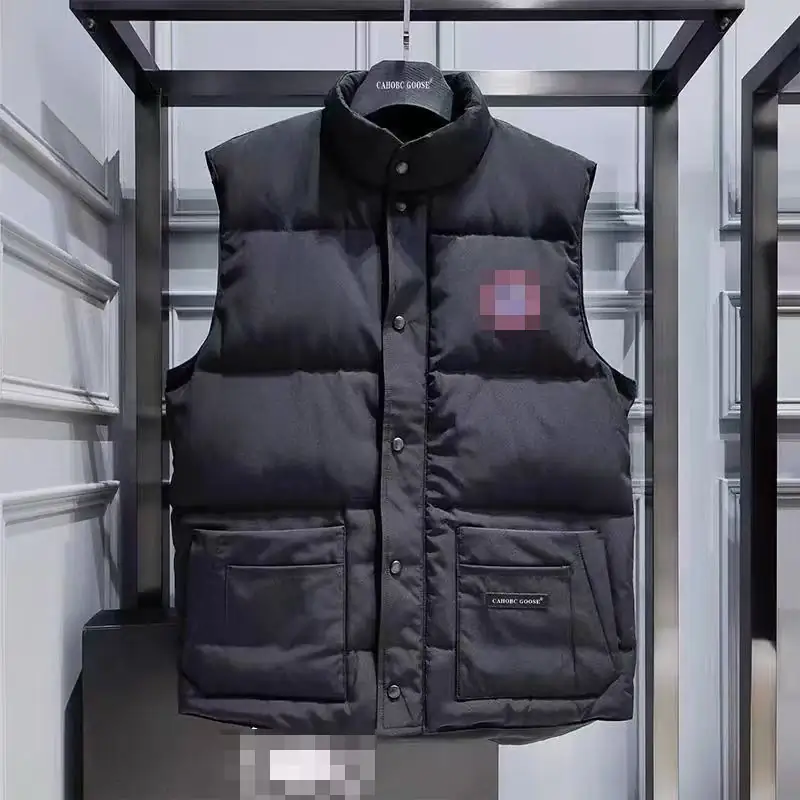
This high-quality replica down vest is insulated with premium white duck down boasting a high 86-90% down cluster content, providing exceptional warmt…
So, what is down fill and what’s it like? The key thing in any down jacket is the fill inside. Down is made of those delicate, fluffy clusters from the chest of ducks or geese. It doesn’t have a hard quill.
Its main job is to insulate you through loft—that’s the fluffiness that creates tons of tiny air pockets for warmth. We measure its quality by fill power. That tells you how much space one ounce of the down takes up.
A higher fill power number, like 700 or 800, means it lofts up more with less weight. So you get a jacket that’s warmer, lighter, and packs down smaller. It’s good to know the difference between duck down and goose down.
Usually, goose down clusters are bigger, which often means higher fill power and it lasts longer. But really good duck down can be excellent too.
Now, how it’s put together: let’s talk about baffle box and stitch-through designs. How they keep the down in place makes a big difference in how well the jacket works. Fancy jackets use baffle box construction.
Fabric walls create little 3D boxes that stop the down from moving around and get the most fluffiness possible. A more common and cheaper way is stitch-through or quilted construction. Here, they just sew the outer and inner layers together.
It works, but those sewn lines create cold spots because the insulation gets squished flat there. Some jackets mix both methods. They might use stitch-through on the sleeves and box baffles on the main body.
This balances warmth, weight, and price. The outer shell fabric matters too. Tech like Pertex gives you a shell that’s light, tough, and sheds water.
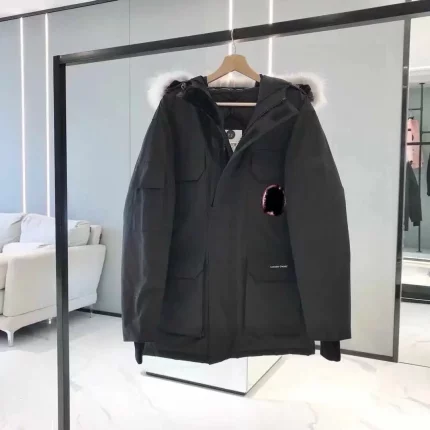
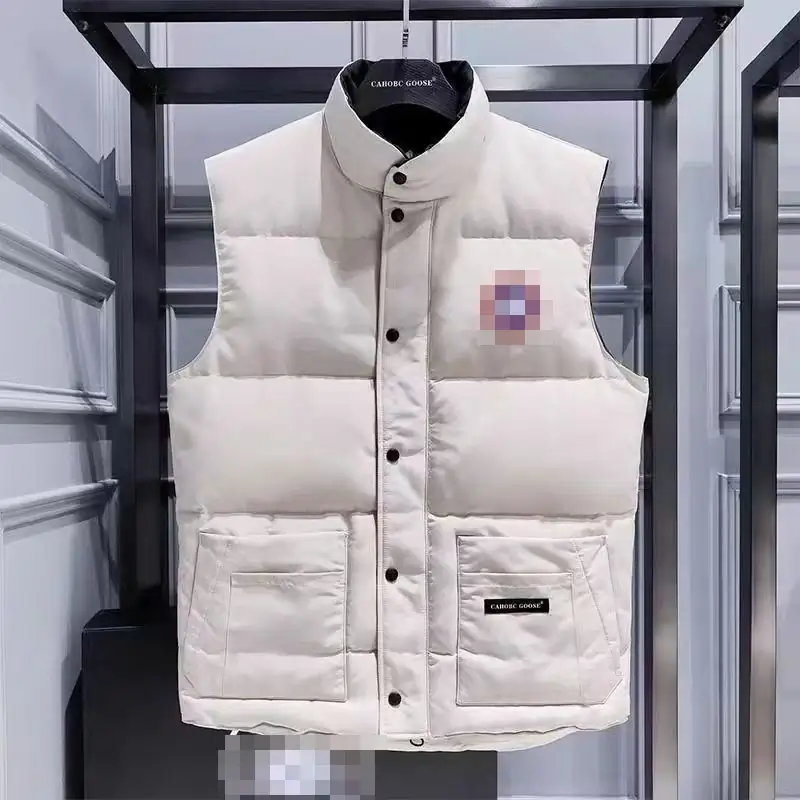
This versatile grey down vest features a substantial 201-300g fill of high-grade white duck down with 86-90% down cluster purity, delivering exception…
Next, the shell and face fabrics: your protective layer.
Let’s get into the materials: what the shell is made of and how it’s treated. The shell is your jacket’s first defense against the elements. Most shells are a tight weave of nylon or polyester.
They pick these because they’re strong, light, and naturally resist water a bit. Lots get a DWR (Durable Water Repellent) coating. This makes water bead up and roll right off the fabric.
If you’ll be in really wet weather, look for a jacket with a waterproof and breathable membrane, like Gore-Tex, bonded to the shell. That turns your down puffer into a proper all-weather shield.
But here’s the big downside of down: if it gets totally soaked, it goes flat and loses all its insulating power. That’s why hydrophobic down is a thing now. It’s treated with a special coating to resist soaking up water and to dry quicker. It’s a game-changer for damp or rainy places.
Down vs. Synthetic Insulation: Let’s compare them in detail.
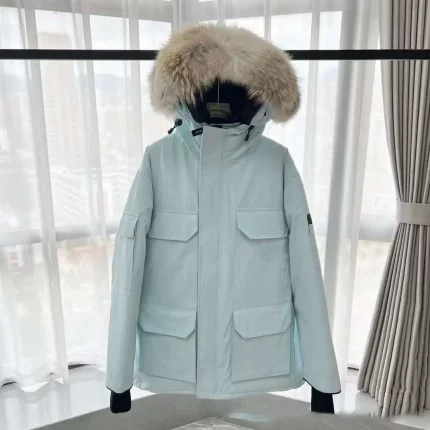
This sky blue replica vest features 240g of premium 90% white duck down fill, engineered to provide exceptional thermal efficiency with balanced loft …
Weighing up warmth, weight, and weather resistance.
Let’s analyze their performance and compare the key points. Picking between a down coat and a synthetic one, like PrimaLoft®, really comes down to what you’ll mainly use it for. This table lays out the big differences:
Down Insulation vs. Synthetic Insulation: The Key Differences
Feature
Down Feather Insulation
High-Quality Synthetic Insulation
Warmth-to-Weight Ratio
Better. It’s lighter and warmer for the same bulk.
Good, but you often need more weight to get the same warmth.
Packability
Excellent. You can squash it down really small.
Okay. It doesn’t squish down as small and can get less fluffy over time.
Wet Weather Performance
Not great when wet. If it gets soaked, it stops insulating.
Good. It keeps most of its warmth even when it’s damp.
Durability Longevity
Very high if you take good care of it. It can last for ages.
Good, but it can flatten out and lose its warmth faster.
Cost
Usually costs more, especially for the high fill power stuff.
Usually more budget-friendly.
Here’s the practical advice: match the insulation to your activity. For dry cold, backpacking where every ounce counts, and for max warmth, down is the best. For wet places, sweaty activities, or if you have allergies, a good synthetic or a water-resistant down jacket is a smarter pick. Lots of experienced hikers agree. Take Sarah from Colorado, she says: My 800-fill down jacket is my must-have for winter climbs. But on rainy Pacific Northwest trails, I always reach for my synthetic puffer.
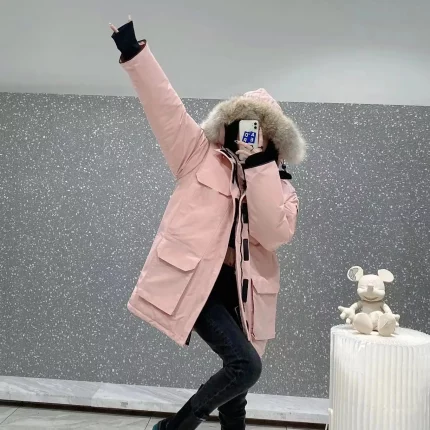
Crafted for optimal warmth-to-weight ratio, this high-visibility replica vest utilizes 270g of 90% white duck down, providing superior loft and therma…
Let’s break down what those jacket specs and quality labels really mean.
First up, the two numbers you need to know: fill power and fill weight.
Here’s how to make sense of the product specifications. When you’re looking at a down jacket, you’ll see two key numbers: fill power and fill weight, which is in grams. Fill power, or FP, tells you about the down’s quality and how fluffy it is.
Fill weight, on the other hand, is the total amount of that down stuffed inside. So, a jacket with 800 fill power and 100 grams of fill will be toastier than one with 600 fill power and the same 100 grams.
But, a jacket with a lower 600 FP but more down, say 150 grams, could be just as warm. The trade-off? It’ll be heavier and won’t pack down as small. For everyday city life and general winter wear.
a fill power between 550 and 650 gives you the best bang for your buck. For serious alpine pursuits, 700 FP provides premium performance. Always double-check if the fill weight listed is for the whole jacket or just a section. The total weight gives you the full story.
This entry-level down jacket offers a practical solution for light winter, filled with 550-fill-power white duck down. It reliably provides warmth in …
Now, let’s talk about where the down comes from and the certifications to look for.
The Responsible Down Standard, or RDS, is all about ethical sourcing. A lot of folks are rightly concerned about animal welfare. RDS is a big-deal global certification.
It makes sure the down feathers didn’t come from birds that were force-fed or live-plucked, and you can trace it back through the whole supply chain. So, keep an eye out for the RDS logo on the tag.
There’s also the Global Traceable Down Standard, or Global TDS, which adds another layer of traceability. Brands are getting more open about this. Take Patagonia’s Traceable Down initiative—it actually lets you see the specific farms the down came from. If you’re looking for a vegan option, there are great high-tech synthetic fills. Stuff like Thermore® Ecodown® or PrimaLoft® Bio, which are partly made from recycled materials, give you great warmth without any animal products.
This high-quality replica vest delivers authentic thermal performance with 280g of premium 90% white duck down,
Let’s start with the basics: how to clean your down feather jacket safely. If you want your jacket to stay fluffy, you’ve gotta take care of it right. Stick to a front-loading washer on a gentle, cold cycle.
The agitator in a top-loader can rip the baffles that hold the down feathers. Grab a special down wash detergent, something like Nikwax. Regular stuff strips away the down’s natural oils and its water-resistant coating.
Now, drying it completely is the most important part. Toss it in the dryer on low heat with a couple of clean tennis balls or dryer balls. The balls help bounce the down feathers around, breaking up any wet clumps and getting that puffiness back.
You might need to run it through a few times. Don’t cram your down jacket into a stuff sack for storage. Just hang it up in a dry closet to keep its shape.
This entry-level down jacket is a practical and less expensive option for cool weather, filled with 550-fill-power white duck down.
What about fixing it up and storing it long-term? Got a small tear or a leak in the baffle? You can patch it up with some tenacious tape or a special down repair patch.
If a section of your down feather jacket has gone flat, some repair shops can actually add more down feathers to fluff it up again. When you’re putting it away for the season, make sure it’s totally clean and bone-dry so mildew doesn’t set in.
Skip the plastic bags. Use a breathable cotton bag instead, or just hang it up with some room to breathe. Here’s a great tip from Mark, who reviews gear: Before the first cold snap.
he tosses his down jackets in the dryer on no-heat for about 10 minutes. It fluffs them right up and makes them feel like new again.
Engineered for reliable performance in transitional climates, this grey camo replica vest utilizes 290g of 90% white duck down, delivering excellent l…
So, you’re looking for the perfect down jacket? Here’s a handy guide to help you pick.
First things first, figure out what you’ll use it for and how it should fit.
Pick your jacket based on what you do. Your lifestyle really decides the best features. What you plan to do with it tells you exactly what you need. Just commuting around town? Go for a sleek, light down jacket.
Something with a moderate fill power, like 600-700 FP, that fits nicely over a sweater is spot on. For backpacking, prioritize high fill power (800 ), minimal weight, and high compressibility, often in a trim fit.
Need to stay warm when you’re not moving much, like camping or watching winter sports? Then a longer, expedition-style parka is key. You’ll want heavier fill, a down-filled hood, insulated pockets, and a tough outer shell.
Don’t forget about layering! A jacket for active use should let you slip a mid-layer underneath without feeling tight.
Here’s a quick checklist of features to think about. Keep this list handy when you’re comparing different jackets.
Lightweight (10-20D), standard (30-40D), durable (50D )
Packability vs. abrasion resistance
What’s next for down insulation? Let’s look at some cool trends and new ideas.
New tech and a focus on being eco-friendly are driving changes.
The industry is always evolving. There have been some big material breakthroughs lately. The market for down jackets is changing fast. Water-resistant down treatments are pretty standard now. They make a huge difference when the air is damp.
For sustainability, more brands are using 100% recycled outer fabrics and down that’s sourced responsibly. One really groundbreaking trend is plant-based alternatives to down. Like Pangaia’s FLWRD™ fill, made from wildflowers.
It’s still being worked on for extreme cold, though. Also, there’s 3D body mapping. This means putting more insulation where you need it most, like your core, and less on your arms. It optimizes both warmth and how easy it is to move.
Some jackets are even getting smart fabrics with built-in heating. It’s a niche thing now, but it hints at a future where your jacket can control its own temperature.
The market is shifting because of what customers want. People want to know where their gear comes from and they want it to do more. That’s shaping the products we see. We’re seeing more hybrid jackets now.
They might use down in the main body for warmth, but put synthetic insulation in spots that get sweaty, like the shoulders and underarms. The line is blurring between a technical mid-layer and something you wear on the outside.
There are super breathable, wind-resistant down jackets made just for high-energy activities. As one designer put it, the goal isn’t just the warmest jacket anymore. It’s about creating the most adaptable system for a busy, on-the-go life.
So, to sum it up, a down feather jacket isn’t just a simple puffy coat. It’s a real marvel of natural insulation. It’s engineered to be super efficient, thanks to its fill power, smart construction, and advanced materials.
Sure, it’s not great when it’s soaking wet. But its amazing warmth for its weight and how small it packs down make it a must-have for cold weather. If you understand the specs, choose ethically sourced down.
and take good care of it, you’re investing in something that’ll keep you reliably warm for years. And the future looks bright, with lots of innovations focused on sustainability and hybrid performance.
Ready to find your perfect down jacket match? Got a down jacket dilemma or a great success story? Share it in the comments! Or, check out our comparison guide on picking between down and synthetic insulation for your next big adventure.
Here are some common questions people ask.
So, what’s the real deal with down versus feathers in a jacket?
Let’s break it down. Down is the super soft, fluffy stuff with no hard quill in the middle. Its main job is to trap air, which is what keeps you really warm. Feathers, on the other hand, have that stiff quill and are flatter.
They don’t puff up as much, and sometimes you can even feel them poking through the jacket material. That’s why a good down jacket will have mostly down, like a 90/10 mix. They add feathers because they’re cheaper, but honestly, they just make the jacket less warm and harder to pack down small.
Can you take your down jacket out in the rain?
For a classic down jacket, heavy rain is a big no-no. Once down gets wet, it all sticks together and stops holding air. You’ll end up feeling chilly instead of cozy. But newer jackets are smarter.
They often treat the down to repel water and use shells like Gore-Tex. These can handle a light drizzle or snow just fine. If you know you’ll be in wet weather, check the jacket’s specs for water resistance. Or, play it safe and throw a waterproof shell over your down jacket for total protection.
How do you figure out which fill power is right for you?
It really depends on what you need it for. A fill power between 550 and 650 is perfect for everyday city life or casual winter days. It’s warm, reliable, and a great value. If you’re into hiking, skiing, or backpacking, go for 700 to 800 fill power.
This range is all about being light and easy to pack, which is key for those activities. 800 FP is premium, used for expedition gear and ultralight backpacking where every ounce counts. Just remember, higher fill power usually means a higher price tag, but you get better warmth for its weight.
How long can you expect a good down jacket to last?
If you take good care of it, a quality down jacket can easily stick with you for a decade or even longer. How long it lasts comes down to how well it’s made, how often you wear it, and most of all, how you look after it.
The trick is to clean it right when it needs it, store it loosely (not squished in a bag), and fix any little rips quickly. This keeps it fluffy and working like new. Often, the outer fabric will start to look worn out before the down inside gives up.
This is especially true for those super light, technical jackets you really put through the wringer.