I’ll never forget that sinking feeling. I pulled my favorite down jacket out of storage, and it was just limp and lifeless. All that once-plush insulation had totally collapsed. It got me thinking, Why is my down jacket losing its loft? This is a super common problem, and it all comes down to how delicate down clusters are. These tiny 3D structures are what trap air and keep you warm. Losing loft isn’t just a looks thing. It directly messes with your jacket’s ability to keep you warm. After a lot of trial, error, and digging around, I found out this flattening is hardly ever permanent. Usually, just a few preventable things cause it. So, the first step to getting that puffiness back and making your jacket last longer is to understand how down works and what its weak spots are.
Let’s talk about the science behind down and loft.
So, what exactly is loft, and why should you care?
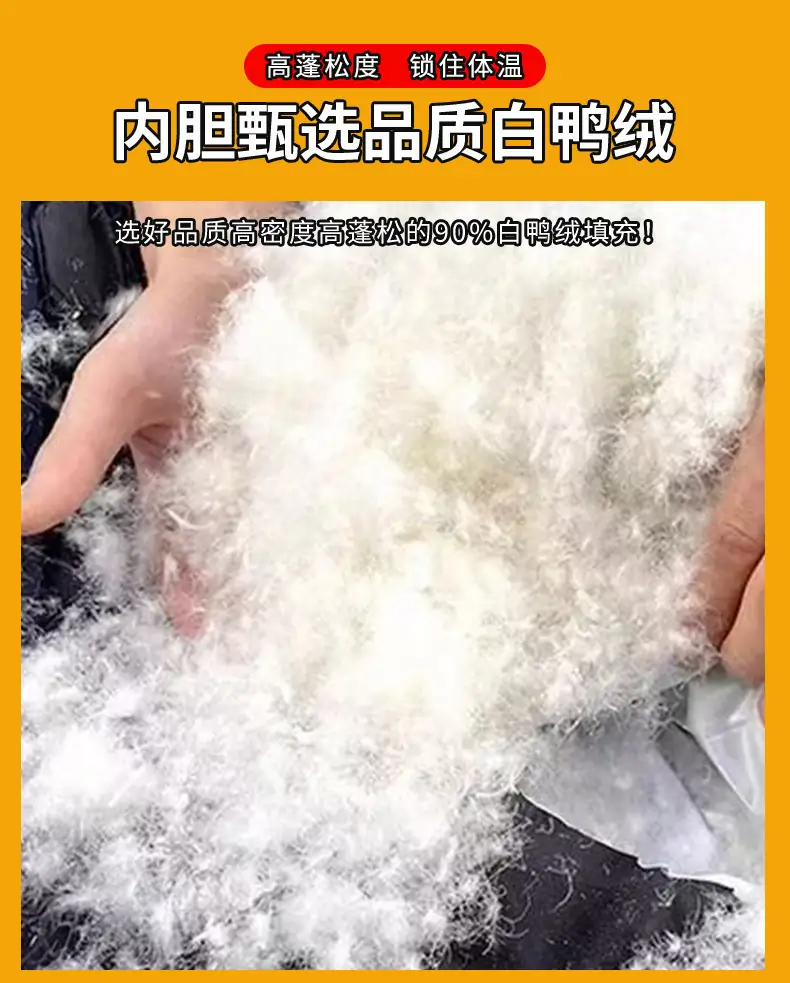
Here’s the core idea: loft basically measures how fluffy and thick your down jacket or sleeping bag is. That fluffiness comes from the physical space the insulation takes up, which is all thanks to the tiny, complex structure of each down plumule.
Picture each plumule: it has a center stem with hundreds of tiny hairs branching off, creating a super intricate 3D web. The main job of this web is to catch and hold onto air, keeping it still.
Dr. Harriet Mason, a materials expert, puts it this way: your down jacket isn’t warm because of the feathers. It’s warm because of your own body heat warming up the air that gets trapped in that downy web.
More loft means more trapped air, and that means more warmth without making the jacket heavier. But when the loft goes down, that web collapses. It can’t hold as much warm air, and bam – your jacket loses a ton of its insulating power.
This versatile grey down vest features a substantial 201-300g fill of high-grade white duck down with 86-90% down cluster purity, delivering exception…
Now, how does down quality and something called fill power affect how long your jacket stays fluffy?
Here’s the key thing: not all down is the same. The quality it starts with has a huge impact on how well it bounces back over time. The big number to look at is fill power.
It’s a test that measures how much space one ounce of down fluffs up to under set conditions. A higher fill power, like 800, tells you the down clusters are bigger and tougher. They can puff up more (create more loft) while actually weighing less.
These top-tier clusters have stronger little hairs and a more complex build, so they’re better at fighting off permanent flattening. On the other hand, down with a lower fill power has smaller, weaker clusters.
They can get squashed down more easily, especially if they get damp or are packed tight. This table breaks it down simply:
How Fill Power Relates to Loft
Fill Power
Cluster Size Quality
Loft Potential
Bounce-Back Ability
550-650
Smaller, simpler clusters
Good
Okay
700-800
Larger, more complex clusters
Excellent
High
900
Top-quality, largest clusters
Superior
Very High
Here’s a useful tip for reviving a flat jacket: knowing its fill power helps you know what to expect. High fill power down, like 800 or above, can often puff right back up with some proper TLC.
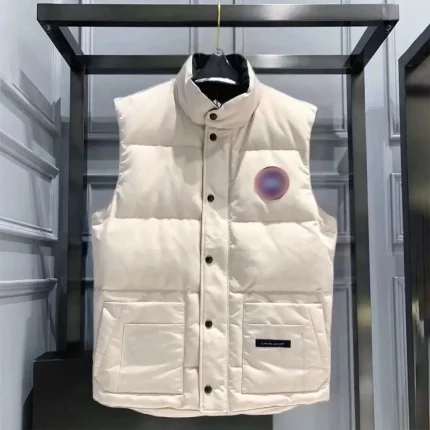
This sky blue replica vest features 240g of premium 90% white duck down fill, engineered to provide exceptional thermal efficiency with balanced loft …
Here’s the biggest threat: water is down insulation’s worst enemy. If those down clusters get wet or even just damp, the moisture makes the tiny filaments clump together and flatten out.
That clumping ruins all the little air pockets that keep you warm. Over time, even sweat or storing it in a damp place can slowly make your jacket less fluffy.
Unlike synthetic fills, wet down basically stops insulating you until it’s completely bone-dry again. A lab study by the IDFB found that getting down wet again and again, and not drying it properly with good heat.
is a top reason for permanent damage and clumping. So, if you wear your jacket in a drizzle or snow, toss it in the closet while it’s still a bit damp, it’ll come out looking much flatter.
Crafted for optimal warmth-to-weight ratio, this high-visibility replica vest utilizes 270g of 90% white duck down, providing superior loft and therma…
Here’s a bad habit that’ll definitely ruin the loft: stuffing your jacket in its little sack and leaving it there for months. Squishing it for a trip is okay, but keeping it squished long-term puts stress on the down.
It can bend and even break the tiny filaments. That means it loses its bounce-back—it just won’t puff up to its full size anymore. Same goes for hanging a heavy coat on a flimsy wire hanger.
It creates pressure spots that can permanently flatten the down in the shoulders. The trick is to store it loosely, so the down can just chill in its natural, puffy state.
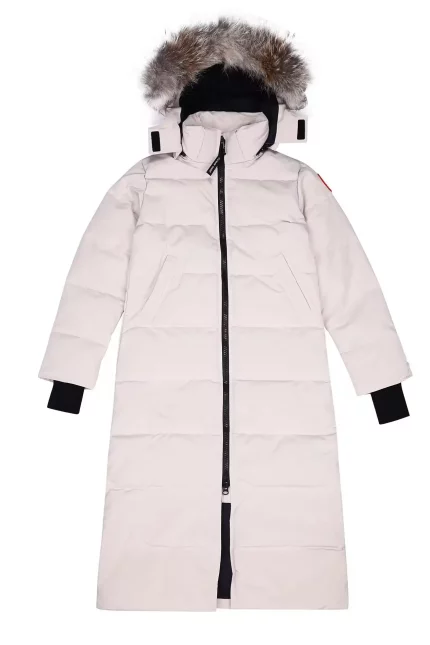
This entry-level down jacket offers a practical solution for light winter, filled with 550-fill-power white duck down. It reliably provides warmth in …
So, you’re wondering why your down jacket is going flat? It might be because of some common cleaning mistakes.
Let’s talk about the big problem with regular laundry detergents and fabric softeners.
Here’s a common mistake: using your usual laundry soap or, even worse, fabric softener. They leave a sticky residue all over the down clusters. That gunk makes the tiny down filaments heavy. They end up sticking together in a flat, matted mess.
Fabric softeners are especially bad news. Their whole job is to coat fibers, but down needs to stay separate and fluffy to work right. Dr. Mason warns, Residue from improper cleaners acts like glue.
binding clusters together and preventing them from lofting. After a while, that buildup is really tough to get out. It can ruin your jacket’s warmth for good. Plus, the residue strips away the down’s natural oils. This makes the filaments dry and brittle, so they break more easily.
This high-quality replica vest delivers authentic thermal performance with 280g of premium 90% white duck down,
Now, let’s look at another big reason for lost loft: not drying your jacket properly. It’s a step a lot of folks mess up.
Here’s the thing: if you just hang it to air-dry or toss it in the dryer on low without the right tricks, the inside will stay damp and clumpy. The down inside those little pockets takes way, way longer to dry than the outer fabric you can feel.
If it doesn’t dry all the way, you can get mildew, bad smells, and clumps that never come apart. The right way to do it is to use a dryer on a low heat setting. Throw in a few clean tennis balls or special dryer balls, too.
As the dryer runs, the balls bounce around. They whack those damp down clumps apart and help spread the insulation back evenly in all the pockets. This whole process is like giving your down a good shake. It helps bring back its fluffy, 3D shape—the very thing that keeps you warm.
This entry-level down jacket is a practical and less expensive option for cool weather, filled with 550-fill-power white duck down.
If your down jacket has lost its fluff, this is the best way to fix it at home. First, make sure your jacket is clean—check out how to wash it right. Then, toss it into a big dryer, using low or no heat.
Throw in two or three clean tennis balls or wool dryer balls. The low heat and tumbling, helped by the balls bouncing around, break up clumps and spread the down evenly.
Every now and then, pause the dryer and feel for any big clumps, then break them apart by hand. This might take a few rounds, sometimes 2 to 3 hours, to get it totally dry and puffy again. Just be patient—it’s worth it.
Engineered for reliable performance in transitional climates, this grey camo replica vest utilizes 290g of 90% white duck down, delivering excellent l…
For a little boost between washes or if it’s just slightly flat, try some gentle steam. Hang your jacket in the bathroom while you take a hot shower, letting the steam soak in. The bit of warmth and moisture helps loosen up the down.
After that, give it a quick tumble dry with dryer balls on low heat to make sure it’s all dry. A few hours in indirect sunlight can also help—it gets rid of a little dampness and smells, which keeps it fluffy.
But don’t leave it in direct sun for too long—that can damage the water-resistant coating and fade the color.
Wearing this jacket in light winter temperatures feels comfortably warm without bulk. The 90g white duck down with 550 fill power handles daily cold c…
So, you want your down jacket to stay fluffy for a long time? Here’s how to care for it.
Let’s talk about the best ways to wash and dry it.
First up, washing. Make it a habit to use a front-loading washer. You know, the kind without that center agitator. Stick to a gentle cycle and use cold or warm water. For detergent, grab a cleaner made specifically for down or technical gear.
These are great because they rinse out clean and won’t mess with your jacket’s loft. Oh, and do an extra rinse cycle. This makes sure all the soap is totally gone. Now, drying is super important.
You’ve gotta be religious about the tennis ball trick. Here’s a quick cheat sheet showing the right and wrong ways to care for your jacket:
Down Jacket Care: Do’s and Don’ts
What to do
The Right Way
The Wrong Way
For soap,
use a special down cleaner.
Don’t use regular laundry soap or fabric softener.
For the washer,
go with a front-loader on gentle.
Avoid top-loaders with an agitator.
When drying,
use low heat with dryer balls, and be patient—it might take a few cycles.
Just air-drying or cranking up the high heat is a bad idea.
For storage,
keep it loose in a breathable bag, like cotton.
Never squash it into a stuff sack for months on end.
Optimal For storage, Solutions to Maintain Loft
Here’s the long-term game plan: when winter’s over, don’t just cram your coat into a tight space. First, give it a good clean the right way. Make absolutely sure it’s bone dry.
Then, tuck it away loosely in a big, breathable cotton bag or even a pillowcase. Find a cool, dry spot for it. Some folks say hanging it on a wide, padded hanger in a roomy closet works great too. The whole point is to let the down stay puffed up.
This stops the tiny filaments inside from getting all bent and stressed out for months. It’s a simple step, but it’s the best way to make sure your jacket comes out next winter still warm and fluffy, with all its insulation power intact.
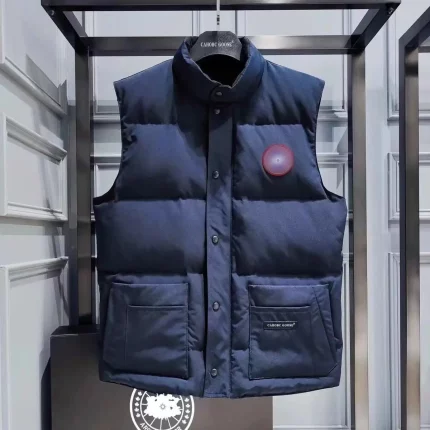
Engineered for versatile cold-weather performance, this deep blue replica vest utilizes 260g of 90% white duck down with high loft retention
First, you need to figure out if the damage is permanent or if it’s just squished flat for a while.
Here’s the deal: you can’t always get the puffiness back. If your jacket got really wet for a long time and grew mildew, or if the down inside is all greasy and stuck together in a way home washing can’t fix, it might be ruined for good.
Look for clues like a musty smell that won’t go away after you wash it, dark mildew spots you can see on the lining or down, or down that stays in hard little balls even after you’ve dried it properly a few times.
On the flip side, if your down jacket is just flat from being packed away, a good, thorough dry and some fluffing should puff it right back up. But if the outer fabric is worn out or has holes letting the down escape, then your jacket loses its warmth for good, no matter how puffy it is.
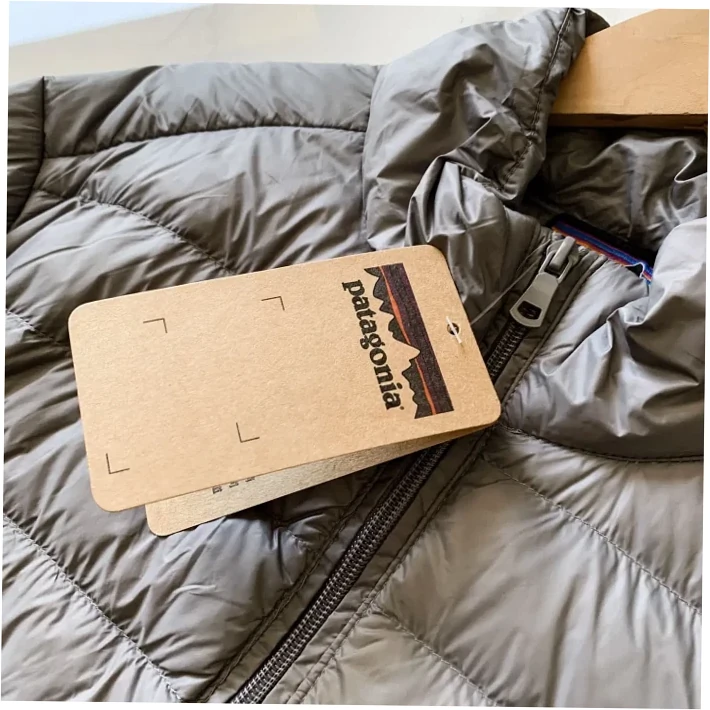
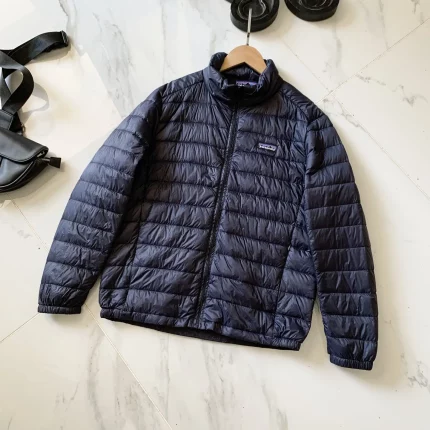
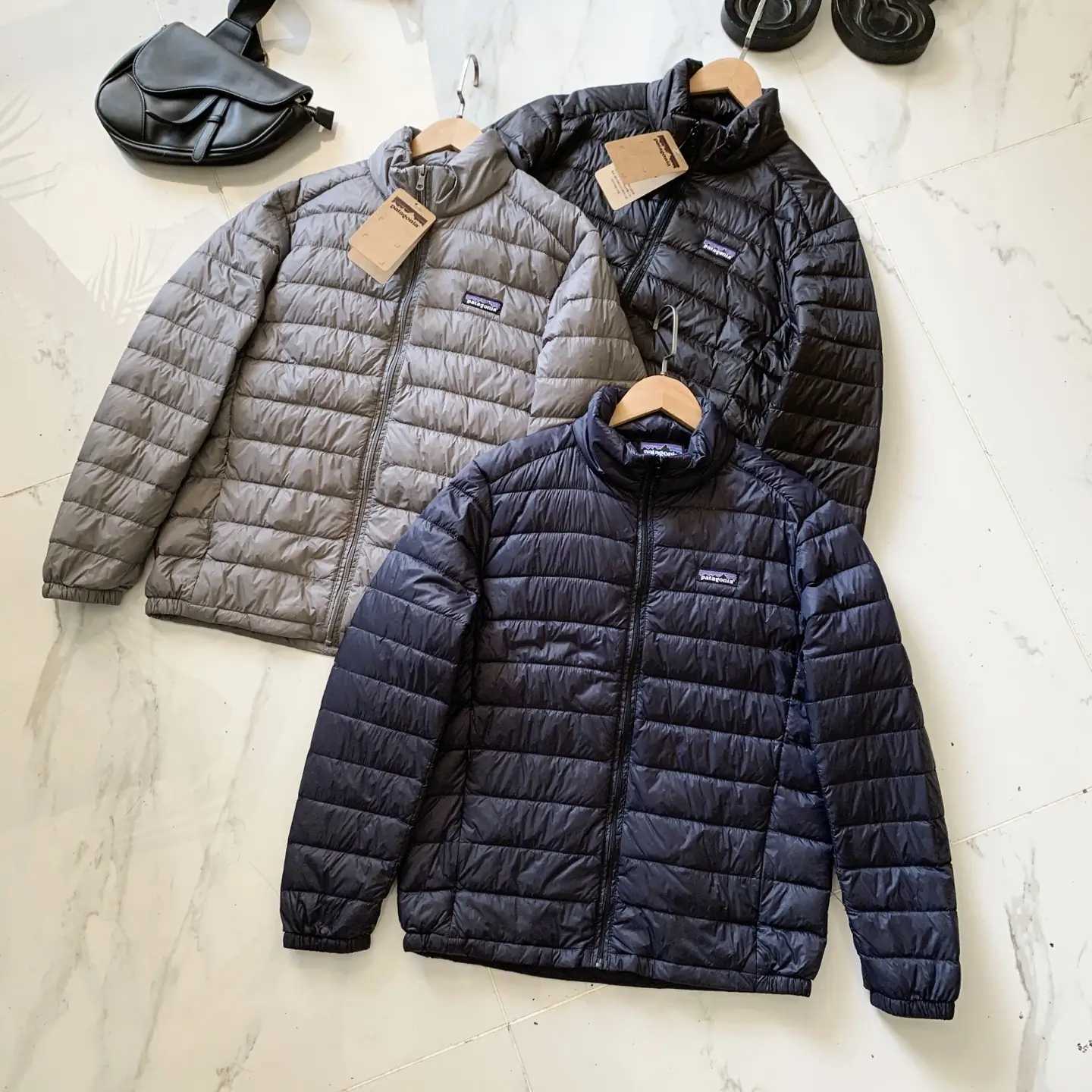
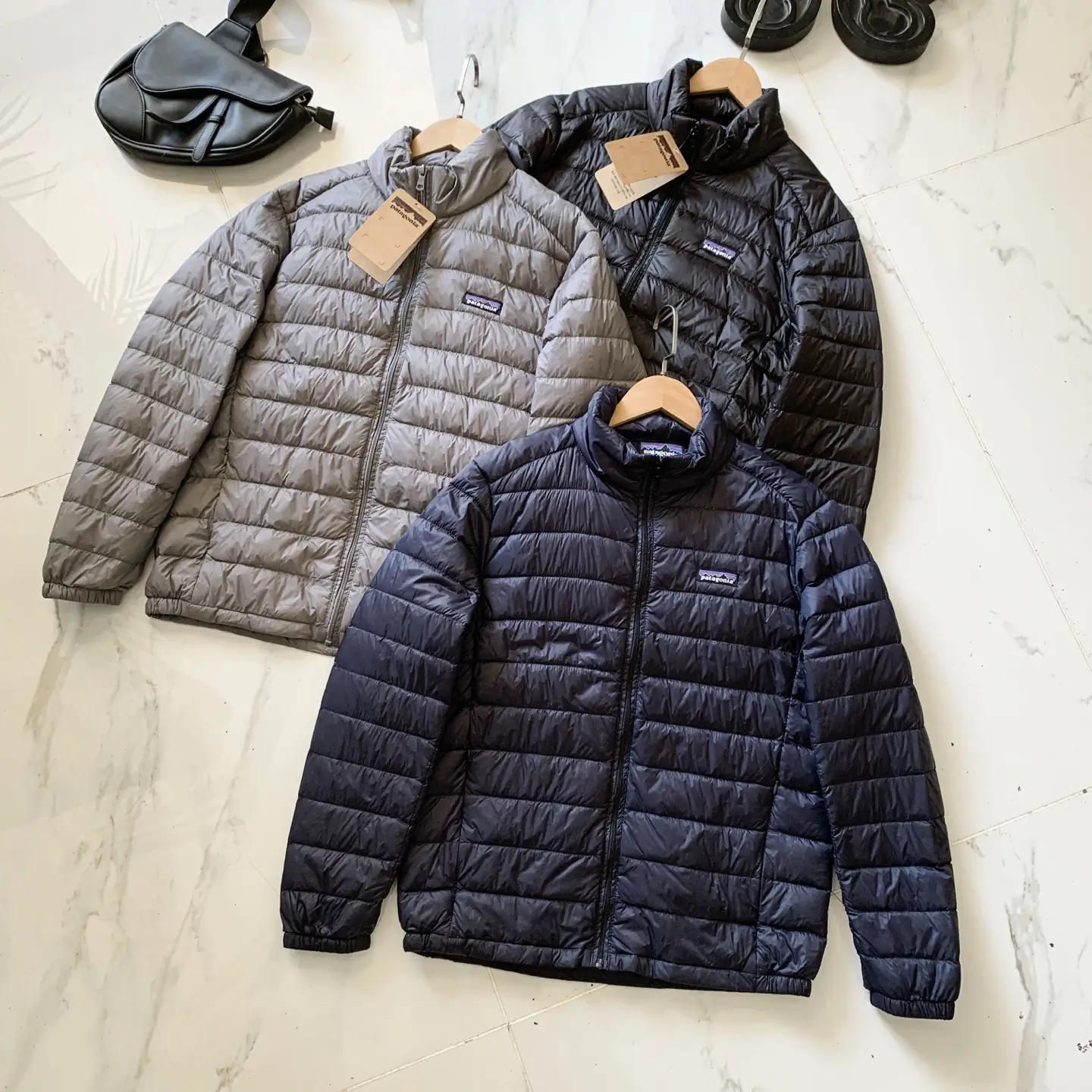
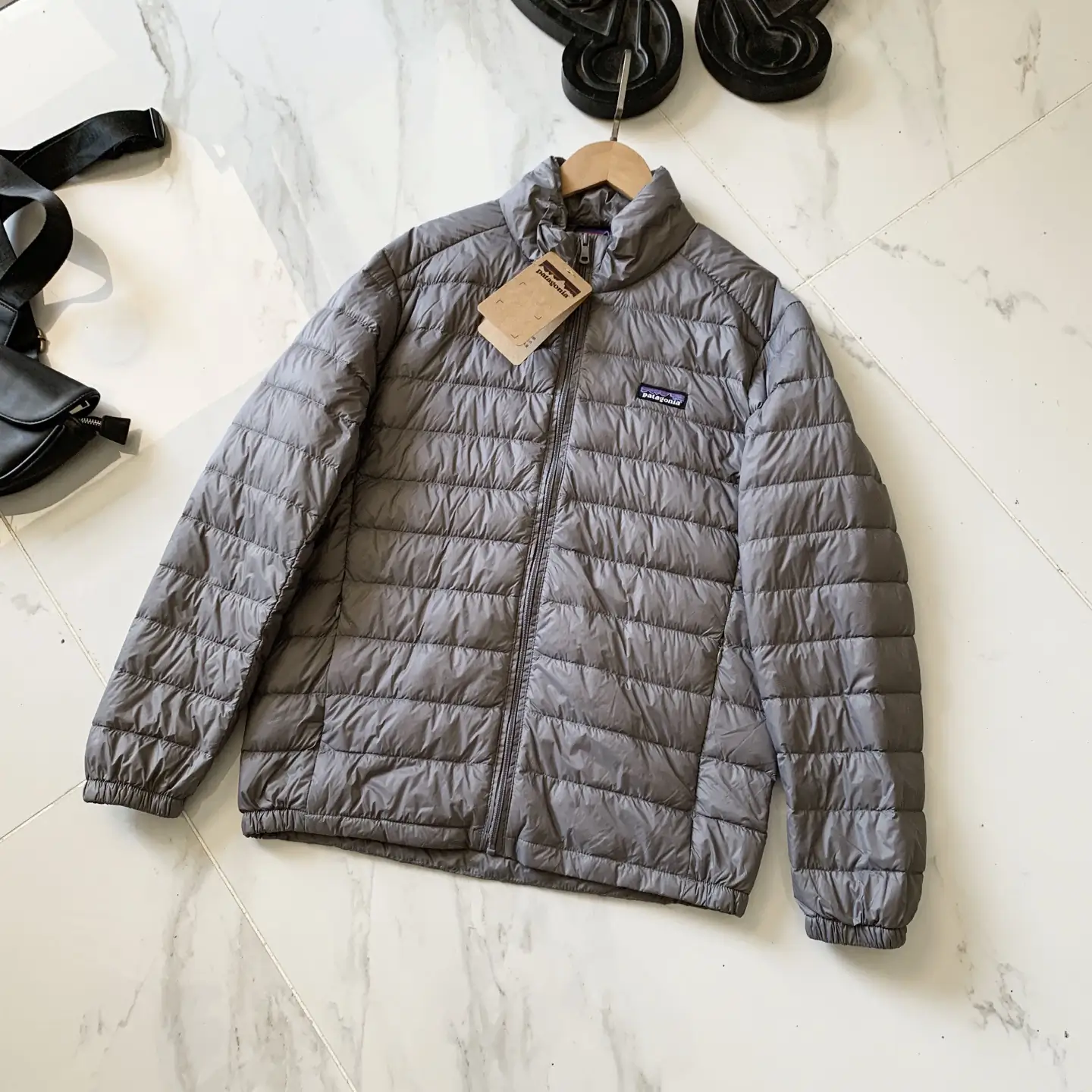
This Patagonia-style replica jacket delivers reliable warmth for everyday winter use. Filled with polyester insulation and crafted from 100% nylon she…
They’ve got the expert touch. These pros who clean outdoor gear use heavy-duty machines and special cleaners made just for down, so they get it really clean without leaving gunk behind.
They can often bring back the loft in jackets that look like a lost cause to someone washing at home. Their process usually has a few steps: they check it over, treat any stains first, wash it in their special machines.
and then dry it in huge commercial dryers packed with way more dryer balls than you’d ever use at home. A pro from Rainy Pass Repair mentioned, We see a lot of jackets where washing at home just baked in oils or dirt.
Our method can strip all that out and re-fluff the down, but whether it works totally depends on how damaged the down fibers themselves are. So, for a jacket that’s expensive or means a lot to you, getting it professionally cleaned is totally worth the money.
To wrap it up, your down jacket loses its puffiness mainly because of three things: getting wet, washing it wrong with soap that leaves gunk, and being squished flat in storage for too long. The good news?
That flat look is often fixable if you know what you’re doing. If you get how delicate down is and take care of it right—use the right cleaner, toss some tennis balls in the dryer with it.
and store it hanging up loose—you can keep its puffiness and even get it back. That puff is what makes your jacket warm. Just remember, taking good care of it regularly is way easier than trying to bring it back to life after you’ve ignored it for years.
I wouldn’t really suggest using a hair dryer as your main way to do it. A little gentle heat from a distance might be okay, but if you hold that hair dryer too close.
its focused heat can actually fry the delicate down inside or even mess up the jacket’s outer material. Plus, it just doesn’t give your jacket the good shake-up and tumbling it needs to really break apart those down clumps.
Throwing it in the dryer on low with a couple of tennis balls works way better and is much safer for your jacket.
How often should I wash my down jacket to maintain loft?
Only wash your puffer when it really needs it—like maybe once a year, or if it looks dirty or starts feeling flat because of grease or grime. Washing it too often just wears out the down and the fabric.
For little spots, just dab them clean. And the key thing is, right after you wash it, make sure you dry it all the way through in the dryer to get that fluffy loft back.
Is loft loss in a down jacket a sign of poor quality?
Not really, no. Honestly, any down jacket will get a bit less puffy over time—those tiny filaments inside just break down with wear. But if your jacket goes flat way too soon or really badly.
that’s usually because of how you’re looking after it—maybe it got damp, has soap left in it, or was stuffed away too tight—not because it was cheap to start with. Even the fancy high-loft down needs you to take good care of it if you want it to stay fluffy for years.
Can I iron my down jacket to make it fluffy again?
Oh, definitely don’t do that! Putting an iron on your down jacket is a disaster waiting to happen. That direct, super-hot pressure can melt the outside, burn the down feathers inside, and glue all the fluff together for good.
You’ll kill whatever puffiness is left and probably wreck the jacket completely. Stick to gentle, indirect heat instead—like your dryer on a low, cool setting.